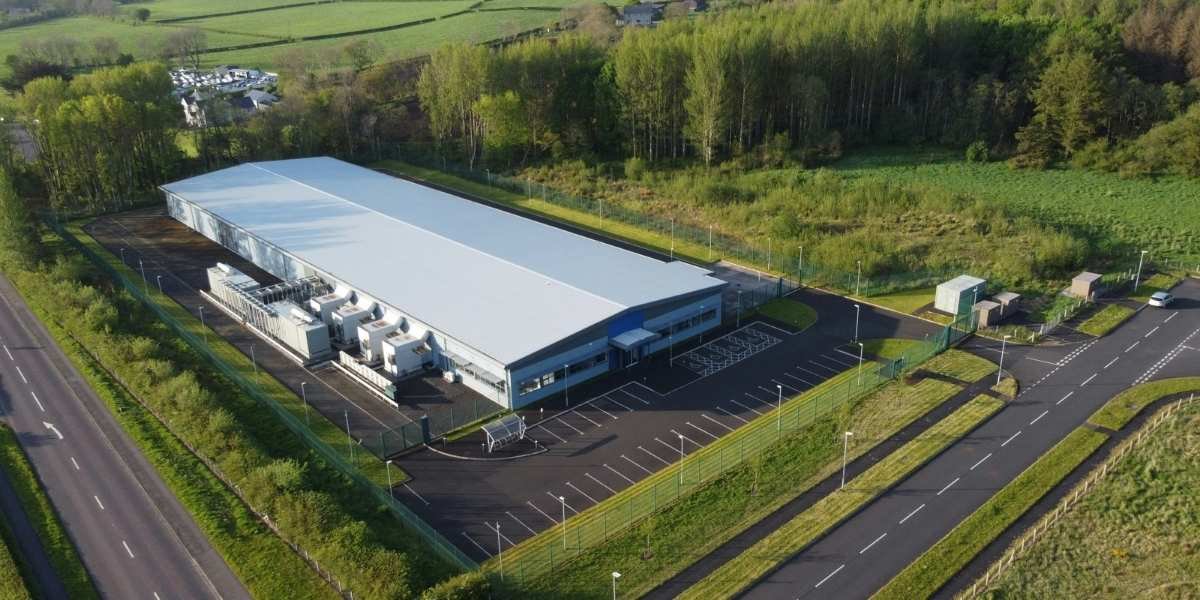
Meta is moving forward with a major expansion of its El Paso data center, bringing the total project scope to more than $10 billion. The Meta West Texas data center has become a central part of the company’s long term infrastructure strategy, with a focus on supporting artificial intelligence workloads and core platform operations.
The facility, located in El Paso, represents one of Meta’s largest infrastructure builds to date in terms of computing capacity. The company has confirmed that the site is designed to scale up to one gigawatt of capacity, placing it among the most powerful data center campuses currently under development in the United States.
This Meta expansion reflects a broader shift across the technology sector, where demand for high performance computing continues to rise as artificial intelligence systems require greater processing power and storage capabilities.
Meta West Texas Data Center Expansion and Regional Workforce Impact
The Meta West Texas data center is expected to generate significant employment activity throughout its development cycle. During peak construction, projections indicate that thousands of workers will be engaged on site, supporting a wide range of roles tied to building and infrastructure development.
Once fully operational, the facility is expected to support more than 300 permanent positions, including technical operations, facility management, and security roles. These figures align with recent company disclosures and independent reporting on the project.
Local and regional officials have pointed to the scale of the project as a factor in broader economic activity, with increased demand for housing, transportation, and services anticipated as the workforce expands around the site. While long term economic outcomes will depend on sustained operations, the project has already been positioned as a notable addition to the region’s industrial landscape.
The El Paso location places the facility within a growing network of data infrastructure sites across Texas, where access to land, energy resources, and logistical connectivity continues to attract large scale technology builds.
Meta West Texas Data Center Expansion Anchors AI Infrastructure Growth
The Meta West Texas data center is being developed as an AI optimized facility, designed to handle the increasing demands of machine learning systems and large scale data processing.
Meta has identified artificial intelligence as a key driver of its infrastructure expansion, with data centers like the El Paso campus supporting workloads tied to recommendation systems, content delivery, and emerging AI tools integrated across its platforms.
The design of the facility reflects this shift. High density computing environments, advanced networking systems, and scalable server architecture are expected to support evolving AI models that require continuous processing and rapid data throughput.
While Meta continues to develop products in areas such as virtual reality and immersive technologies, recent company statements emphasize that the El Paso data center is primarily aligned with AI infrastructure and core services, rather than a standalone expansion tied to cloud service offerings.
The location in Texas also supports national data distribution efficiency, allowing the company to manage latency and performance across multiple regions in the United States.
Meta West Texas Data Center Expansion and Energy Strategy
Energy sourcing and sustainability remain central to the Meta West Texas data center project. The company has stated that its operations are aligned with a broader approach of matching electricity use with clean and renewable energy sources.
In Texas, Meta has entered into agreements tied to energy development projects that contribute thousands of megawatts of clean energy capacity to the grid. These arrangements are part of the company’s wider operational framework, which includes efforts to reduce emissions across its infrastructure footprint.
The El Paso site is also expected to incorporate water efficient cooling systems, including closed loop designs that reduce water consumption compared to traditional data center cooling methods. Additional local initiatives tied to water stewardship have been outlined as part of the project’s regional integration.
These measures are consistent with Meta’s long term objective of reducing its environmental impact across global operations, including its data center network.
Meta West Texas Data Center Expansion Within Industry Competition
The Meta West Texas data center expansion takes place within a highly competitive environment, where major technology companies continue to scale infrastructure to support artificial intelligence.
Companies such as Microsoft, Amazon, and Google are also increasing capacity across the United States, building large data center campuses designed for AI workloads.
Industry data indicates that combined spending on AI related infrastructure across leading technology firms is rising sharply, with large scale facilities becoming essential to maintaining performance, speed, and reliability in data driven services.
The Meta project in El Paso reflects this broader shift, where computing infrastructure is becoming a defining factor in how companies deploy and scale artificial intelligence systems.
Meta West Texas Data Center Expansion and Local Considerations
Alongside its economic and infrastructure impact, the Meta West Texas data center has drawn attention from local stakeholders regarding resource use and long term community effects.
Discussions have included topics such as electricity demand, water usage, and the integration of large scale industrial facilities within the surrounding area. Local representatives have called for continued engagement between the company and the community to address these considerations as the project advances.
These discussions highlight the balance between large scale infrastructure development and regional planning, particularly as data centers grow in size and energy requirements.