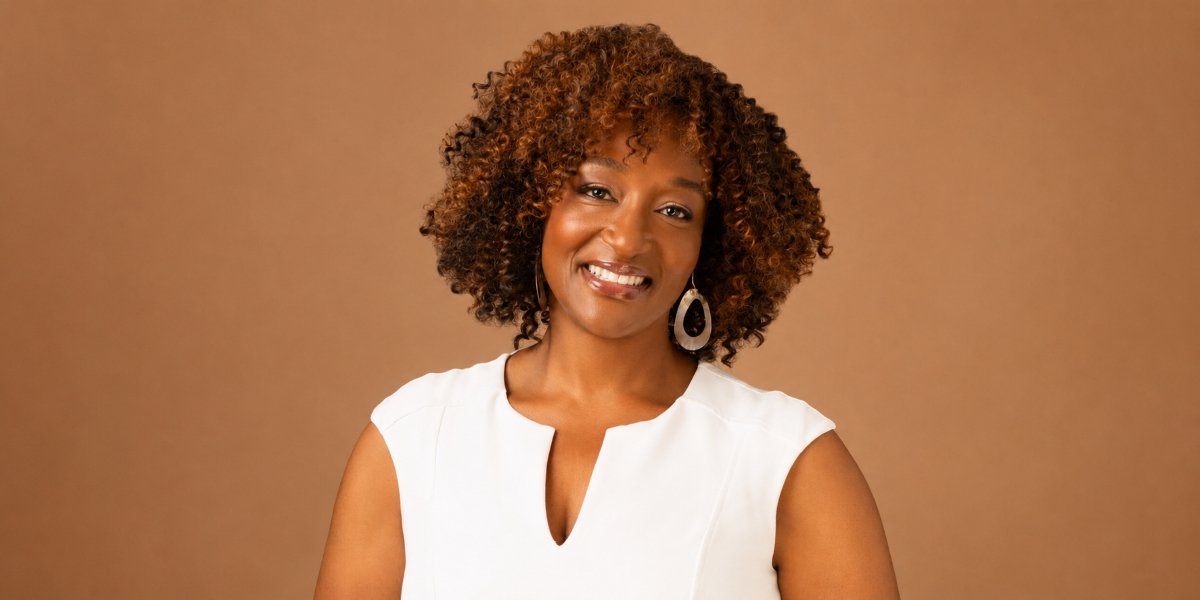
The Co-founder of Handled Home Solutions is advancing a prevention-focused approach to fall safety, caregiving and aging in place, without sacrificing dignity or independence.
For millions of families, the question is no longer whether an aging parent or relative wants to remain at home. Most do. The more difficult question is whether the home is prepared to support them safely as their health, strength and mobility change.
A loose rug, dim hallway, high bathtub or poorly placed piece of furniture may appear harmless. For an older adult recovering from surgery, experiencing balance challenges or adjusting to reduced mobility, those ordinary household features can become serious risks.
Fee Gentry, Co-founder of Handled Home Solutions, believes families should not have to wait for a fall, hospitalization or medical emergency before evaluating whether a loved one’s home is still working for them.
Her approach begins with one central belief: The problem is not always the person. Often, it is the system surrounding the person.
That perspective has become the foundation of Gentry’s work in fall prevention, senior home safety and aging-in-place infrastructure.
With more than 35 years of entrepreneurial experience, more than 20 years in real estate and a professional background that includes physical therapy, rehabilitation, occupational medicine, technology, coding and application development, Gentry brings an unusually broad perspective to the senior-care conversation. Her experience also includes owning and operating a post-rehabilitation center and supporting older family members through illness, caregiving needs and end-of-life transitions.
She understands the issue from both sides: the operational challenges families face and the emotional reality of caring for someone whose needs are changing.
A Home Can Become Risky Without Looking Dangerous
Most homes are designed for convenience, not long-term mobility changes.
The stairs that once presented no problem may become exhausting. A bathroom may no longer provide enough stability. Kitchen cabinets may require reaching or bending that affects balance. Narrow walkways, cords, clutter and unstable furniture can create hazards that families do not recognize until an incident occurs.
Older adults may also begin changing their routines without telling anyone. They may avoid certain rooms, stop using the stairs, hold onto furniture while walking or limit activities that have become physically difficult.
These changes do not always mean a person can no longer live independently. They may indicate that the home needs to adapt.
Gentry encourages families to treat those warning signs as an opportunity to strengthen the environment, not as an immediate reason to take control away from the older adult.
A safer home can help preserve independence by making everyday activities more manageable.
Fall Prevention Requires More Than One Modification
Fall prevention is often reduced to the installation of a grab bar or the purchase of a medical alert device. While those tools can be valuable, Gentry’s model looks at the entire home and the way the older adult moves through it.
A comprehensive safety assessment may examine:
- Lighting and visibility throughout the home
- Entryways, steps and handrails
- Bathrooms, showers and toilet accessibility
- Flooring, rugs and tripping hazards
- Furniture placement and stability
- Bedroom access and nighttime pathways
- Kitchen storage and appliance use
- Mobility equipment and transfer needs
- Emergency communication systems
- Caregiver access and support routines
The objective is not to make the home look like a hospital. It is to create a living environment that supports the person’s current abilities while anticipating future needs.
Through Handled Home Solutions, Gentry is building what she describes as a “home operating system” for seniors and the families who support them. The model connects home-readiness assessments, safety updates, caregiver coordination, safe-return-home planning and practical systems that identify problems before they become emergencies.
The Most Vulnerable Time May Be After Discharge
One of the most critical periods for an older adult occurs after returning home from a hospital, rehabilitation center or surgical procedure.
The person may be entering the same home with completely different physical needs. They may have new medications, mobility equipment, follow-up appointments and restrictions that were not part of their previous routine.
Families often focus on prescriptions and transportation while overlooking the practical realities waiting inside the home.
Can the person safely enter through the front door?
Can they reach the bathroom without climbing stairs?
Is the bed at an appropriate height?
Can they prepare meals?
Who will assist with bathing, dressing or nighttime needs?
What happens if their condition changes?
A safe discharge requires more than bringing someone home. It requires making sure the home is ready to receive them.
Gentry’s rehabilitation and post-rehabilitation experience gives her insight into the gap that frequently exists between medical instructions and daily life. Healthcare providers may explain what a patient should or should not do, but families are often left to determine how those recommendations will work within the layout of a real home.

Handled Home Solutions is designed to help close that gap.
Protecting Independence Without Removing Choice
Conversations about home safety can be difficult because older adults may fear that acknowledging a problem will lead to losing their home, privacy or decision-making authority.
Adult children may also struggle to balance legitimate concerns with respect for a parent’s independence.
Gentry recommends shifting the conversation away from what the older adult can no longer do and toward what support would help them continue doing the things that matter.
Instead of saying, “You cannot do this anymore,” a family member might ask, “What would make this safer or easier for you?”
That distinction matters.
An older adult who enjoys cooking may not need to stop using the kitchen. The family may need to reorganize frequently used items, reduce reaching, improve lighting or provide assistance with heavier tasks.
The goal is not simply to keep someone inside the home. It is to help that person continue living with dignity, purpose and control.
Families Need Systems, Too
The growing number of adults caring for both children and aging parents has placed additional pressure on the “Sandwich Generation.”
These caregivers may be managing careers, households, finances and their own health while also coordinating appointments, transportation, meals, medications and home maintenance for an older relative.
Without a clear system, families can quickly become overwhelmed.
Gentry encourages families to document responsibilities and establish a shared plan that identifies who will manage medical appointments, transportation, home repairs, routine check-ins, emergency information and communication with other relatives.
A strong caregiving system cannot eliminate every challenge, but it can reduce confusion, missed responsibilities and preventable crises.
Technology Should Support, not Replace, Human Care
Technology is also becoming an important part of aging-in-place planning.
Smart lighting, medication reminders, motion sensors, video doorbells, emergency response systems and virtual healthcare tools can help families create additional layers of support.
But Gentry cautions against treating technology as a complete solution.
A device must fit the older adult’s comfort level, abilities and daily routine. Complicated systems may go unused, while intrusive systems can create resistance or mistrust.
The most effective technology is often the kind that works quietly, supports independence and makes it easier for family members or caregivers to respond when help is needed.
Five Signs a Home-Safety Review May Be Needed
Families should consider evaluating the home when they notice:
Changes in movement. The older adult begins holding onto furniture, avoiding stairs or struggling to stand.
A fall or near fall. Even without injury, a near fall can reveal a mobility or environmental risk.
Difficulty with daily activities. Bathing, dressing, cooking or using the bathroom becomes noticeably harder.
A recent hospital or rehabilitation stay. The person’s current abilities may no longer match the home’s setup.
Increasing caregiver concern. Family members are checking in more often, responding to repeated emergencies or worrying about the older adult overnight.
These signs do not automatically mean the person must leave home. They mean the home and support system may need to change.
Building a Safer Future for Aging Families
Gentry’s work is part of a larger national conversation about senior independence, age technology, caregiving and healthcare infrastructure.
As more adults live longer and express a desire to remain in their homes, families will need more than emergency solutions. They will need coordinated systems that connect housing, healthcare, technology and human support.
Through Handled Home Solutions, Gentry is advancing a prevention-focused model that challenges the assumption that families must choose between an unsafe home and institutional care.
Her mission is to help create a third path, one built around preparation, dignity and coordinated action.
Aging at home without fear does not mean eliminating every possible risk. It means recognizing concerns earlier, making informed changes and ensuring that the home continues to support the life being lived inside it.
About Fee Gentry
Fee Gentry is the Co-founder of Handled Home Solutions, a senior-safety and aging-in-place company helping older adults live safer, more independent lives at home. Her professional experience spans entrepreneurship, real estate, rehabilitation, occupational medicine, technology, application development and family caregiving.
She is also the host of Live Better at Home, a platform focused on senior independence, caregiving, fall prevention, home readiness and practical solutions for aging with dignity. Through her work, Gentry is helping families rethink the home as an essential part of long-term health, safety and quality of life. Like and subscribe to YouTube: https://www.youtube.com/@handledhome.