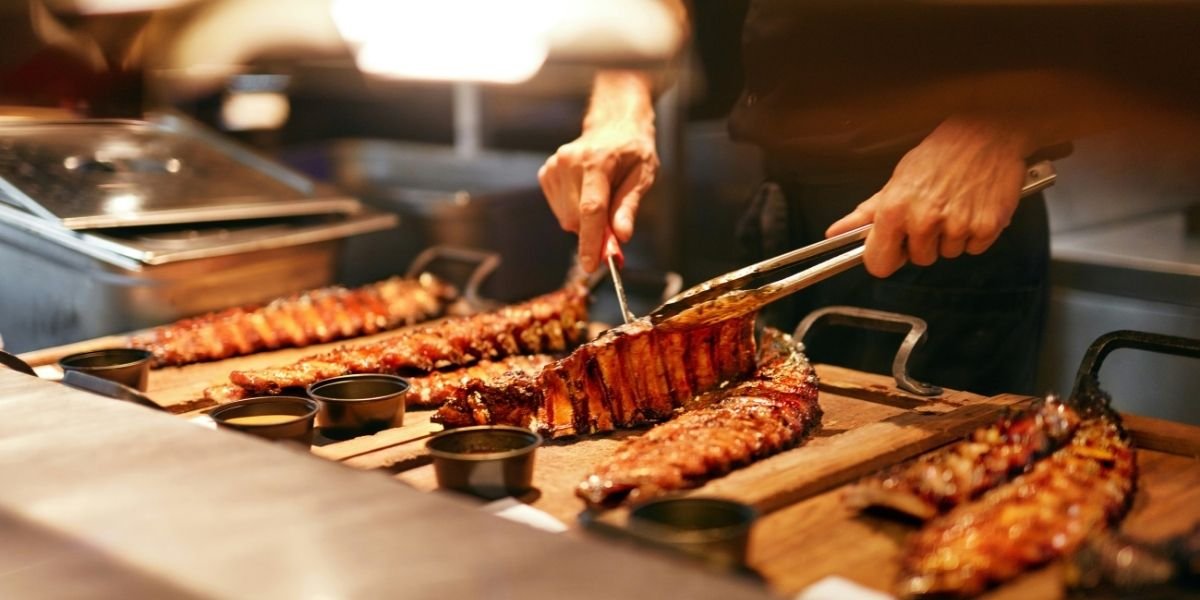
Texas has long been known for its bold flavors, diverse culinary heritage, and thriving hospitality scene. Today, the state’s food and beverage market is experiencing a surge in innovation and expansion, driven by consumer demand for authenticity, regional pride, and experiential dining. From small-town festivals to urban tasting rooms, Texas is serving up opportunity on every plate.
A Market Rooted in Culture and Community
The strength of the Texas food and beverage market lies in its deep cultural roots. Local dishes reflect a fusion of Mexican, German, Czech, and Southern influences, creating a culinary identity that’s both unique and inclusive. This diversity fuels demand for regional specialties, from smoked brisket and tamales to kolaches and pecan pie.
Seasonal events and holiday traditions also play a major role in shaping consumer behavior. During the winter months, tamalada parties and barbacoa feasts bring families together, reinforcing the importance of food in Texas culture. These gatherings are part of authentic Texas holidays that highlight the connection between heritage and hospitality.
Experiential Dining and Local Festivals
Experiential dining is on the rise, with consumers seeking more than just a meal, they want a story, a setting, and a sense of place. Food festivals across the state are meeting this demand by offering immersive experiences that combine cuisine, music, and community.
One standout example is Grapevine GrapeFest, a celebration of wine, music, and food that draws thousands each year. The event showcases Texas wineries, local chefs, and artisan vendors, creating a vibrant marketplace for regional products. It’s not just about tasting, it’s about connecting with the people behind the flavors.
These festivals provide valuable exposure for small producers and help build brand loyalty among local consumers. They also attract tourists, boosting revenue for restaurants, hotels, and retailers.
Growth in Local and Artisan Products
Texans are increasingly choosing local. From farm-to-table restaurants to craft breweries and small-batch distilleries, the appetite for artisan products is growing. Consumers value transparency, quality, and sustainability, and they’re willing to pay a premium for it.
This trend is opening doors for entrepreneurs across the state. Small farms are partnering with chefs, food trucks are sourcing from local growers, and beverage makers are experimenting with native ingredients like prickly pear, mesquite, and Texas-grown grapes.
Retailers are also responding by stocking shelves with Texas-made goods, from hot sauces and jams to coffee and kombucha. The emphasis on local sourcing supports the state’s agricultural economy and fosters a sense of pride in homegrown products.
Urban Expansion and Culinary Innovation
Major cities like Austin, Houston, Dallas, and San Antonio are driving culinary innovation. These urban centers are home to diverse populations, adventurous diners, and a growing number of food entrepreneurs. Pop-up kitchens, ghost restaurants, and fusion menus are redefining what Texas cuisine can be.

In Austin, for example, chefs are blending Tex-Mex with Korean barbecue, while in Houston, Nigerian jollof rice shares the table with Southern fried chicken. This cross-cultural creativity is attracting national attention and positioning Texas as a leader in modern American dining.
Food halls, rooftop bars, and chef-led tasting menus are also gaining popularity, offering curated experiences that appeal to younger consumers and food tourists. These concepts thrive on social media, where visual storytelling drives engagement and foot traffic.
Challenges and Opportunities Ahead
Despite its growth, the Texas food and beverage market faces challenges. Rising costs, labor shortages, and supply chain disruptions continue to impact operations. Small businesses must navigate these pressures while maintaining quality and customer satisfaction.
However, the opportunities outweigh the obstacles. Technology is helping streamline operations, from mobile ordering and delivery platforms to inventory management and digital marketing. Entrepreneurs who embrace innovation and stay connected to their communities are well-positioned to succeed.
The state’s economic diversity also provides resilience. With strong sectors in agriculture, tourism, and real estate, Texas offers a stable foundation for food and beverage ventures to grow.
The Role of Tradition in Modern Growth
Tradition remains a powerful driver of consumer loyalty. Whether it’s a family-owned barbecue joint or a holiday tamale recipe passed down for generations, Texans value authenticity. Businesses that honor these traditions while adapting to modern tastes can build lasting relationships with their customers.
Holiday seasons, in particular, offer a chance to showcase regional specialties and cultural heritage. From festive light displays to seasonal menus, these moments create emotional connections that translate into repeat business and word-of-mouth marketing.
Looking Ahead: A Flavorful Future
The Texas food and beverage market is poised for continued growth. As consumers seek deeper connections to their food, the demand for local, authentic, and experiential offerings will only increase. Entrepreneurs who tap into this momentum, by celebrating tradition, embracing innovation, and investing in community, will help shape the next chapter of Texas cuisine.
Whether it’s a vineyard in Grapevine, a tamale kitchen in San Antonio, or a fusion food truck in Austin, the Lone Star State is proving that flavor, culture, and opportunity go hand in hand.