Renewable energy is reshaping Texas in ways few could have predicted a decade ago. Once known primarily for oil and gas, the Lone Star State is now a national leader in wind and solar power. With vast open land, strong sun exposure, and consistent wind patterns, Texas has become a proving ground for renewable energy innovation, infrastructure, and investment.
From rural wind farms to urban solar installations, renewable energy is driving economic growth, diversifying the state’s energy portfolio, and positioning Texas as a key player in the transition to cleaner power. The shift is not just environmental, it’s strategic, economic, and deeply Texan.
Texas Leads the Nation in Wind Power
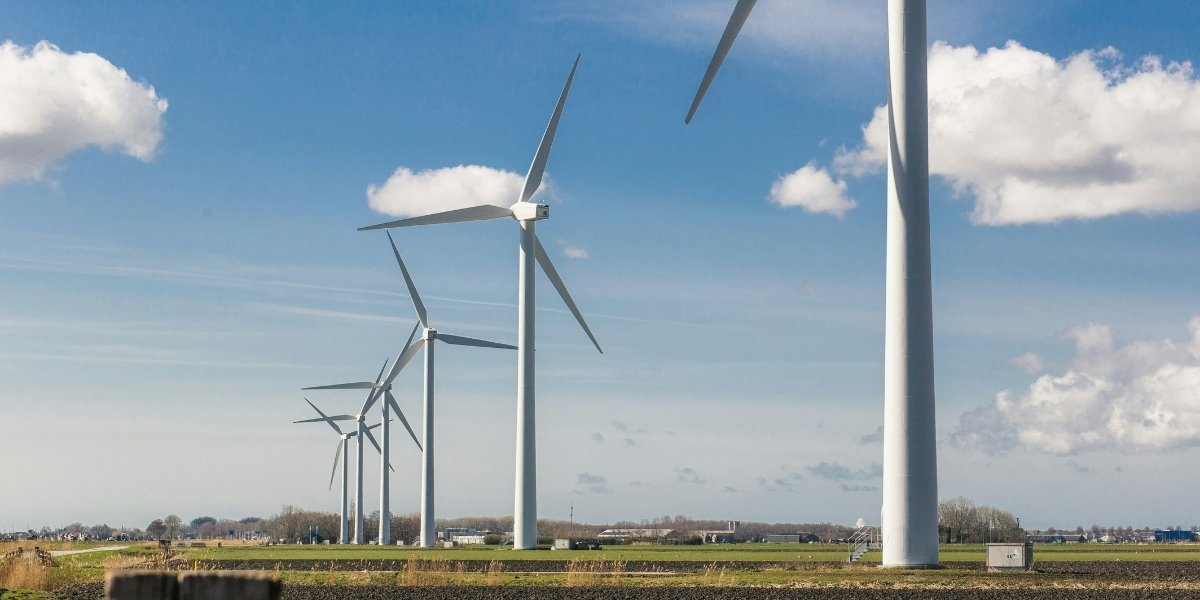
Texas is the top wind energy producer in the United States, generating more than 30% of the nation’s wind-powered electricity. The state’s geography makes it ideal for wind farms, especially in the Panhandle and West Texas regions. Massive turbines dot the landscape, turning steady gusts into reliable power.
Companies like NextEra Energy and Invenergy have invested heavily in Texas wind projects, creating jobs and boosting local economies. The Roscoe Wind Farm, once the largest in the world, spans four counties and produces enough electricity to power over 250,000 homes.
Wind energy has also helped stabilize the Texas grid during peak demand. During extreme weather events, wind turbines have provided critical backup power, reducing strain on traditional sources. This reliability has made renewable energy a key part of the state’s energy resilience strategy.
Solar Energy Gains Momentum Across Texas
While wind has led the charge, solar energy is quickly catching up. Texas ranks among the top five states for solar capacity, with installations growing rapidly in both residential and utility-scale sectors. The state’s abundant sunshine and declining solar panel costs have made adoption more accessible.
Austin Energy and CPS Energy in San Antonio have launched ambitious solar programs, offering incentives and community solar options. In West Texas, large-scale solar farms are feeding clean energy into the grid, supporting both urban and rural development.
Homeowners and small businesses are also embracing solar. Rooftop installations are becoming more common, especially in cities like Houston and Dallas. These systems reduce electricity bills, increase energy independence, and contribute to the broader renewable energy movement.
Economic Impact of Renewable Energy in Texas
Renewable energy is not just good for the environment, it’s good for business. The industry supports over 250,000 jobs nationwide, with a significant portion based in Texas. From construction and maintenance to research and logistics, renewable energy creates diverse employment opportunities.
Landowners benefit too. Leasing land for wind turbines or solar panels provides steady income, often without disrupting agricultural operations. This dual-use model has made renewable energy attractive in farming communities.
Tax revenues from renewable energy projects support schools, infrastructure, and public services. Counties with active wind and solar developments have seen increased funding for local initiatives, reinforcing the economic value of clean energy.
Infrastructure and Storage Innovations
As renewable energy grows, so does the need for advanced infrastructure. Texas is investing in transmission lines, smart grids, and storage solutions to support the evolving energy landscape. Battery storage, in particular, is becoming essential for managing intermittent supply and demand.
Lithium-based storage systems are being deployed to capture excess energy and release it during peak hours. These innovations are explored further in discussions around lithium’s role in energy storage, which highlight how materials science is driving renewable reliability.
Electric vehicle (EV) infrastructure is also expanding. As more Texans adopt EVs, the state is building out charging networks to support clean transportation. This effort complements the renewable energy push and is detailed in updates on Texas’s EV charging expansion, showing how energy and mobility are converging.
Policy and Community Engagement
State and local policies have played a role in renewable energy growth. While Texas operates under a deregulated energy market, incentives and permitting support have helped accelerate development. The Public Utility Commission and ERCOT continue to evaluate grid modernization and renewable integration.
Community engagement is also critical. Many renewable energy projects involve public hearings, environmental assessments, and stakeholder input. Transparency and collaboration help ensure that developments align with local needs and values.
Educational programs and workforce training initiatives are preparing Texans for careers in renewable energy. Universities and technical schools offer certifications and degrees in energy technology, supporting a skilled labor pipeline.
Challenges and Opportunities Ahead
Despite its progress, Texas faces challenges in scaling renewable energy. Grid reliability, land use conflicts, and policy uncertainty can slow development. Balancing growth with environmental stewardship and community impact requires thoughtful planning.
However, the opportunities are vast. Offshore wind potential in the Gulf of Mexico, innovations in hydrogen energy, and continued solar expansion offer new frontiers. Texas’s entrepreneurial spirit and infrastructure capacity position it well to lead in these areas.
Collaboration between public and private sectors will be key. Partnerships that prioritize innovation, equity, and sustainability can ensure that renewable energy continues to benefit all Texans.
A Renewable Future for Texas
Renewable energy is no longer a fringe concept in Texas, it’s a driving force. Wind and solar are changing how the state powers homes, businesses, and vehicles. They’re creating jobs, strengthening communities, and redefining what it means to be an energy leader.
As technology advances and adoption grows, Texas has the chance to shape the future of renewable energy not just locally, but nationally. With its resources, talent, and determination, the state is poised to remain at the forefront of the clean energy revolution.