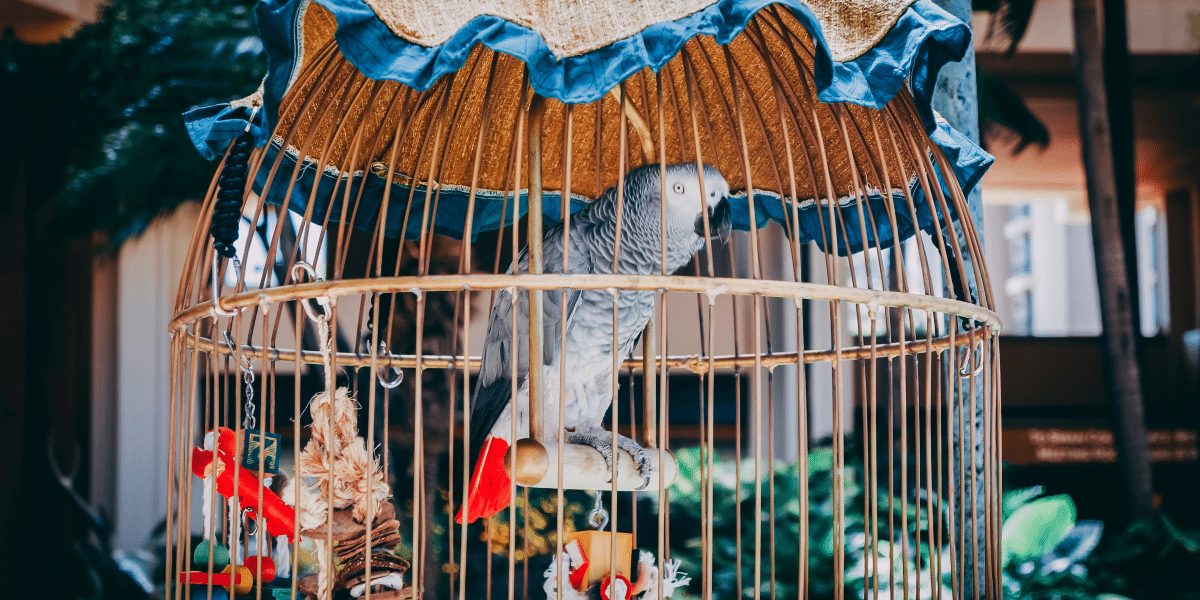
Creating the perfect habitat for your pet bird starts with understanding its natural environment. Birds, whether they are parakeets, cockatiels, or larger parrots, have specific needs that stem from their wild ancestors. In the wild, birds are accustomed to diverse and stimulating environments, filled with opportunities for flying, climbing, and foraging.
To replicate this at home, it’s crucial to provide a cage that offers ample space. The general rule of thumb is to choose the largest cage you can afford and accommodate in your space. A spacious cage allows your bird to spread its wings, move around freely, and engage in natural behaviors. Additionally, including various perches at different heights can simulate the trees and branches birds would encounter in the wild. Opt for natural wood perches over plastic ones, as they provide a more comfortable and beneficial texture for your bird’s feet.
Enriching the Cage with Toys and Activities
Birds are intelligent and curious creatures that require mental stimulation to stay happy and healthy. When setting up a habitat for your pet bird, a variety of toys and activities is essential. Foraging toys, which mimic the natural behavior of searching for food, are particularly beneficial. These toys can be filled with treats and hidden around the cage, encouraging your bird to explore and engage with its environment.
Interactive toys, like mirrors, bells, and ropes, also play a crucial role in your bird’s mental and physical well-being. Rotate these toys regularly to keep your bird interested and challenged. Additionally, providing opportunities for exercise is important. Birds need to stretch their wings and fly, so allowing your bird supervised out-of-cage time in a safe, bird-proofed room can be very beneficial.
Moreover, the inclusion of swings and ladders in the cage adds to the variety of movements and activities your bird can engage in. These accessories not only entertain but also contribute to the physical health of your pet by promoting exercise and agility.
Creating a Comfortable and Safe Resting Space
Rest is as vital for birds as it is for humans. When setting up a habitat for your pet bird, you might ask, do cockatiels need darkness to sleep? Providing a cover for their cage at night can help them rest more peacefully. Birds are naturally inclined to follow the light cycle of day and night, and covering the cage can simulate the darkness they would experience in a natural setting, helping them feel secure and reducing stress.
The cage should be placed in a quiet area of your home, away from drafts and direct sunlight, to ensure a stable and comfortable environment. It’s also important to establish a consistent sleep routine. Birds typically need about 10 to 12 hours of sleep each night, so maintaining a regular schedule can help regulate their sleep patterns and overall health.
In addition to nighttime considerations, the daily environment should also be considered. Ensuring the cage is kept clean and free from mold or bacteria is crucial for your bird’s health. Regularly change the cage liner, clean food and water dishes, and inspect toys and perches for wear and tear.
Simulating Natural Behaviors
Creating the perfect habitat for your pet bird involves more than just a cage and some food. It requires a thoughtful approach to mimic their natural environment, provide mental and physical stimulation, and ensure a comfortable resting space. By paying attention to these details, you can help ensure that your feathered friend leads a happy, healthy, and fulfilling life.
Birds thrive on routine and familiarity, so establishing a daily schedule that includes feeding, cleaning, and playtime can contribute to their overall well-being. Additionally, providing a diet that mimics their natural food sources, including fresh fruits, vegetables, and high-quality bird feed, ensures they receive the necessary nutrients.
Overall, understanding and replicating the natural behaviors and needs of your bird will create a thriving and happy habitat. By providing a stimulating environment, enriching activities, and a safe, comfortable space for rest, you can ensure your pet bird enjoys a high quality of life.
Published by: Holy Minoza