Each year in early June, San Antonio hosts an event that brings together a wide array of cultures in a celebration of shared history and living tradition. The Texas Folklife Festival offers an opportunity for residents and visitors to explore the diverse heritage that has shaped the state’s social and cultural landscape. Through music, dance, crafts, and cuisine, this multi-day festival invites people of all ages to engage with the traditions of communities from across Texas and beyond. Set in a family-friendly atmosphere, the event serves as a reflection of the state’s multicultural roots and its continuing evolution.
The Texas Folklife Festival is not just a place to observe performances or browse handmade items. It’s a curated experience that encourages interaction, learning, and meaningful participation. Whether it’s a traditional dance demonstration, an artisan explaining their craft, or the aroma of food being prepared in open-air kitchens, each element contributes to an immersive atmosphere that honors cultural expression and everyday heritage.
Read also: Celebrating Texas’ Rich Folk Music Heritage
Celebrating the Cultural Mosaic of Texas
The state of Texas is home to a complex and layered cultural identity. Influences from Mexican, German, African American, Native American, Czech, Lebanese, and many other communities have all played a role in shaping the region’s customs and daily life. The Texas Folklife Festival offers a concentrated glimpse into these cultural threads, providing visitors with a rare chance to experience such diversity in one shared space.
Cultural pavilions and performance areas across the festival grounds are organized in a way that emphasizes both individual traditions and the connections between them. As attendees walk through the event, they are able to see how different customs are practiced and preserved, whether through a specific dance form, musical instrument, textile pattern, or culinary method. The event encourages thoughtful engagement by offering explanations and context for these traditions, helping guests understand not only what they are witnessing, but why it matters to the community presenting it.
While the festival is festive and welcoming, it also holds a deeper purpose: to foster appreciation for the contributions of many cultures to the broader identity of Texas. Rather than simply entertaining, the event seeks to create moments of understanding—showing that heritage is not static, but something that lives and adapts over time. In doing so, it highlights the importance of cultural continuity and mutual respect.
Interactive Learning Through Craft and Demonstration
One of the defining features of the Texas Folklife Festival is its focus on hands-on learning. Many of the artisans who participate are not only there to sell their work but to demonstrate the skills and knowledge behind their craft. These demonstrations allow attendees to see traditional techniques in action—whether it’s weaving, metalwork, pottery, or another form of artistry rooted in cultural heritage.
The accessibility of these experiences is key. Rather than being presented behind barriers or in a purely academic format, craft demonstrations are open and engaging, encouraging questions and interaction. This informal approach to education makes it easier for both children and adults to connect with the material in a meaningful way. It also helps preserve traditional skills by raising awareness of the time, discipline, and knowledge required to maintain them.
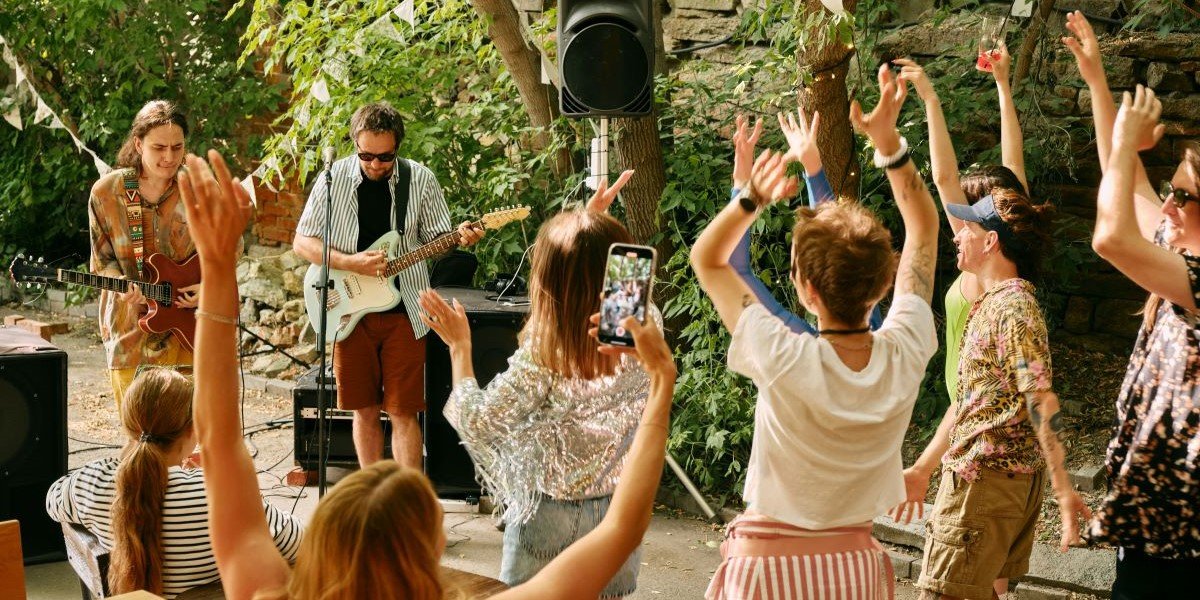
Interactive activities often extend to music and dance as well. Visitors may be invited to try out a traditional instrument, learn a simple dance step, or take part in storytelling sessions that blend history with performance. These moments provide a bridge between observer and participant, allowing guests to move beyond passive viewing and into active engagement. It’s through these exchanges that the value of living heritage becomes clear—not just as something to admire, but something to carry forward.
Cuisine as a Cultural Storyteller
Food is one of the most direct and enjoyable ways to experience culture, and at the Texas Folklife Festival, cuisine plays a central role in bringing traditions to life. Dozens of food vendors prepare and serve dishes that represent various culinary backgrounds, often using family recipes passed down through generations. The act of sharing food in this setting becomes more than a meal; it is a gesture of hospitality, identity, and storytelling.
The variety of food offerings reflects the diversity of the communities represented at the festival. Each dish carries its own significance, often tied to specific regions, holidays, or customs. As guests sample these meals, they are also invited to learn about the cultural context behind them—how the ingredients are chosen, what the preparation involves, and why the dish holds meaning in its origin community.
Beyond the sensory enjoyment, this exchange around food fosters connection. It serves as a reminder that cultural heritage is often most powerfully expressed in everyday moments—such as preparing a meal, sharing it with others, and passing the knowledge of it along to the next generation. In this way, the food at the festival functions as both nourishment and narrative, grounding the experience in lived reality rather than performance alone.
Read also: Exploring the Rich History of Texas Folklore: Legends, Myths, and Tall Tales
An Inclusive Environment for All Ages
A key strength of the Texas Folklife Festival is its inclusive design. The event is structured to appeal to individuals and families alike, offering a balance of entertainment, education, and relaxation. Activities are spaced out to allow for unhurried exploration, and shaded areas, seating zones, and quiet corners offer a reprieve for those who may need a break from the more active parts of the festival.
Children’s programming is typically integrated into the main event rather than being isolated, which helps reinforce the idea that cultural learning is for everyone. Young visitors can engage in age-appropriate crafts, games, or storytelling, all while being exposed to the broader atmosphere of shared heritage and celebration. This inclusive approach creates an environment where families can learn together, ask questions, and enjoy the experience at their own pace.
The setting of the festival in San Antonio, a city known for its deep cultural roots and welcoming spirit, adds to the sense of community. The layout, programming, and overall tone of the event encourage respectful curiosity and participation. While the festival honors traditions, it also invites people into them, reinforcing the idea that cultural heritage is most powerful when shared.
Over time, the Texas Folklife Festival has remained true to its mission of celebrating the many cultures that make up the fabric of Texas life. It continues to provide a space where music, food, craft, and storytelling come together in a way that feels both grounded and expansive. For those attending, it offers not just entertainment, but a meaningful way to connect with the people and histories that shape the state.