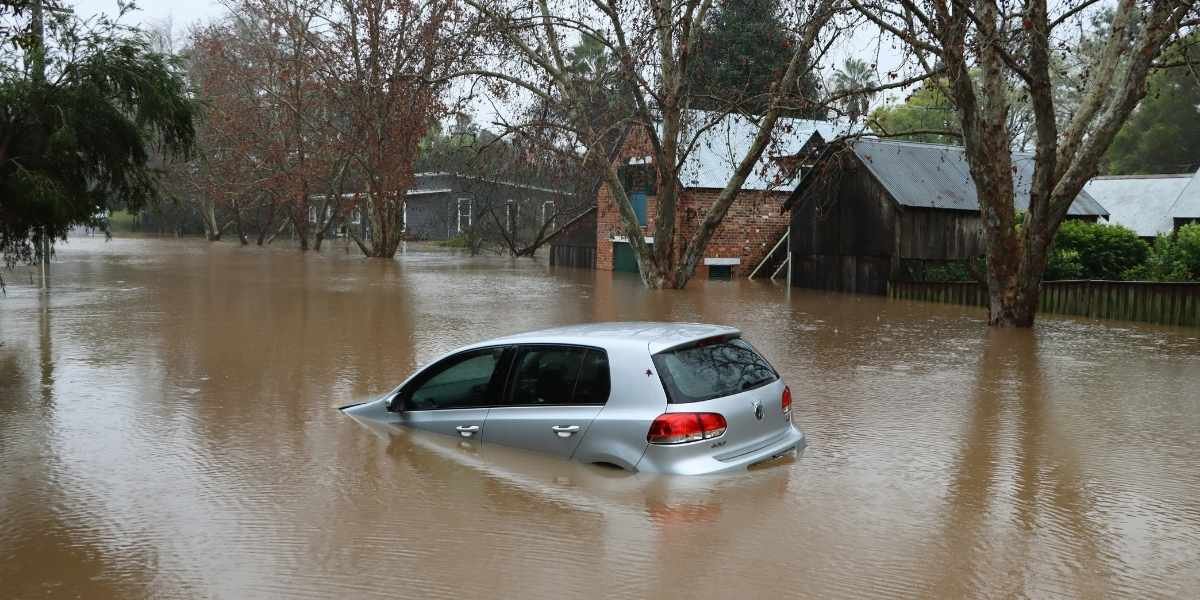
Central Texas is facing a dangerous weather pattern as heavy storms stall over the Hill Country, producing rainfall rates of up to three inches per hour. The National Weather Service has issued flash flood watches for Austin, San Antonio, and surrounding counties, warning of rapidly rising water levels in creeks and rivers. Some areas are expected to see five to six inches of rain, creating ideal conditions for flash flooding.
Meteorologists highlight that the slow-moving nature of the storms is particularly dangerous. With rain accumulating over already saturated ground, the risk of flooding in low-lying areas and along riverbanks is high. The Weather Prediction Center has placed the region under a “Slight Risk” for excessive rainfall, underscoring the severity of the situation. The heavy rain combined with a saturated landscape means that flash flooding could occur with little warning.
For residents, the alerts are a reminder of how quickly conditions can change. A heavy downpour can escalate into dangerous flooding within hours, leaving little time to react. Authorities are urging people to stay alert and avoid unnecessary travel during peak rainfall periods.
Communities Brace for Impact
Commuters in San Antonio and Austin are already facing disruptions, with slick roads and localized flooding reported during rush hours. Emergency management officials have warned that road closures are likely as rainfall continues, particularly in areas prone to flooding, such as low-water crossings. The combination of heavy rain and urban infrastructure creates a challenging situation for drivers.
Local schools and businesses are monitoring conditions closely, with some making contingency plans in case flooding worsens. Flash floods in Texas have previously led to widespread closures, and officials are working to ensure that residents have access to updated information. The key focus is preparedness, as even short bursts of intense rain can overwhelm drainage systems.
The importance of flood preparedness is heightened by past experiences in the region. Central Texas has faced devastating floods in the past, and the memories of these events influence how residents react when new flood alerts are issued. As authorities monitor the situation, the need for proactive measures has never been clearer.
Lessons From Past Floods
The flash flood alerts are a reminder of the dangers floods pose in Texas, coming just months after the deadly July 4 Camp Mystic flood in Hunt, Texas, where 27 people lost their lives. Families of the victims have filed lawsuits alleging negligence by camp operators, raising important questions about safety during extreme weather events. While the ongoing legal proceedings are not the focus of the current flood alerts, the tragedy underscores the urgency of flood preparedness.
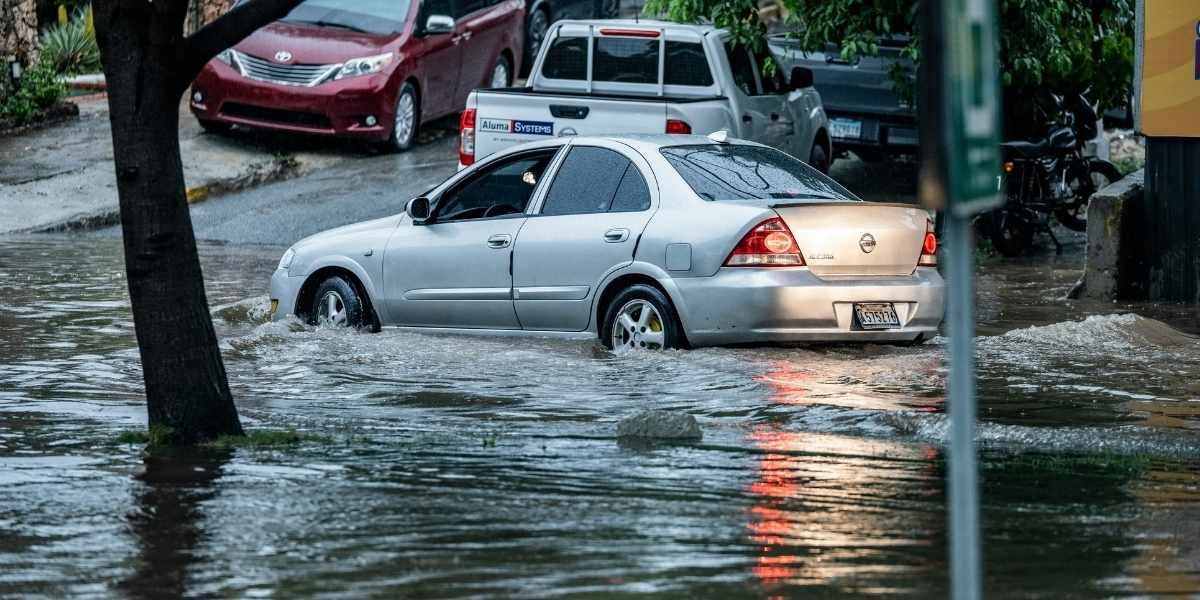
According to Fox News, the families argue that safety measures were inadequate, which highlights the broader issue of accountability in the wake of such disasters. The ongoing lawsuits remind us that extreme weather events can have long-term, far-reaching impacts that affect families for years.
For residents across Central Texas, the memory of past floods shapes how they respond to current warnings. These events are more than just weather incidents, they serve as a catalyst for action, urging individuals to prepare, stay informed, and take necessary precautions to safeguard their families.
The Human Side of Flood Preparedness
Flash floods bring not just logistical and financial challenges but deeply personal decisions for families. As residents weigh whether to evacuate or stay put, businesses must decide whether to close, and communities must support vulnerable individuals in real-time. The unpredictability of flash floods means that people must act quickly, often with little time to prepare.
Emergency management experts stress simple but vital steps, including keeping emergency kits ready, staying updated with local alerts, and avoiding low-lying areas where water tends to accumulate. These small measures can significantly improve the chances of staying safe when the situation escalates.
In many Texas communities, neighbors check in on each other, and local organizations mobilize to provide support. This collective response, driven by a shared understanding of the risks, helps build a safety net for families facing these dangerous conditions. The ability of communities to come together in the face of floods reflects a deep commitment to resilience and mutual aid.
What to Expect and How to Prepare
The forecast indicates that heavy rainfall will persist through Friday morning, with flash flood watches remaining in effect. Authorities are urging residents to stay cautious, even after the heaviest rains have passed, as rivers and creeks may continue to rise for hours following the rainfall. In addition, emergency officials are advising that the situation could worsen if storms continue to intensify or remain stationary over the same areas.
Local farmers’ markets and rural communities may also experience disruptions due to flooding, particularly in areas where transportation routes are compromised. Flooded roads can prevent essential supplies from reaching communities, further exacerbating the economic impact.
The challenges of flooding in Central Texas underscore the importance of vigilance and adaptation. While rain totals surge and flash flood alerts spread across the region, the ultimate response from residents, local governments, and emergency teams will shape how well the region handles the crisis. Communities that are prepared will be better equipped to manage the immediate dangers and minimize the long-term consequences of these events.