By: Alexandra Perez
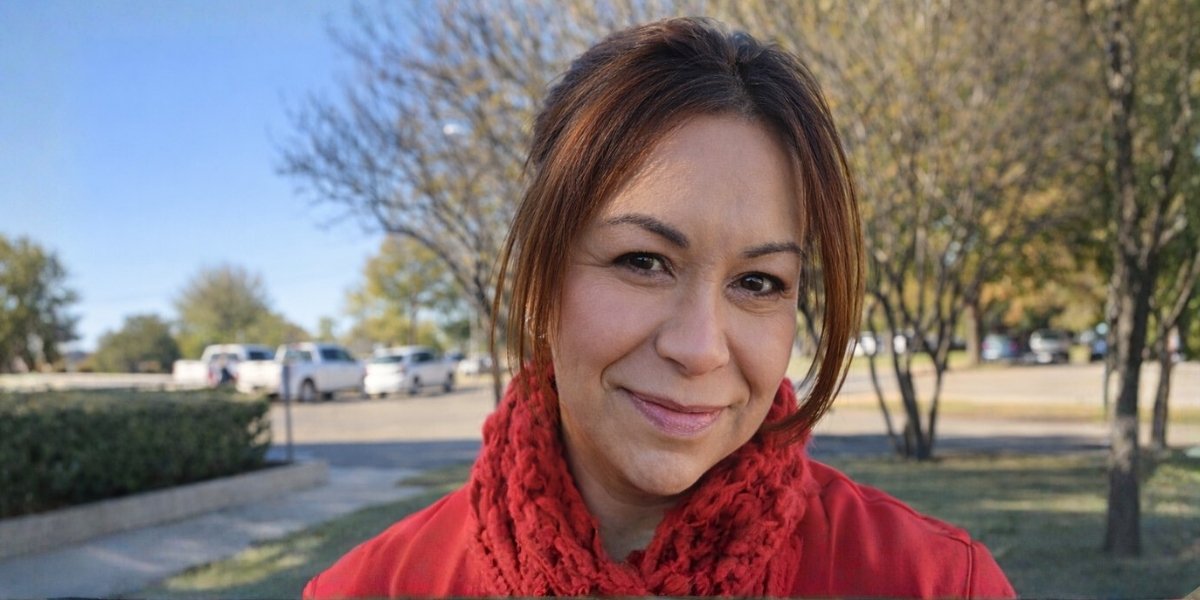
Annette Whittenberger never planned to build a media company, but her life has never followed a predictable script.
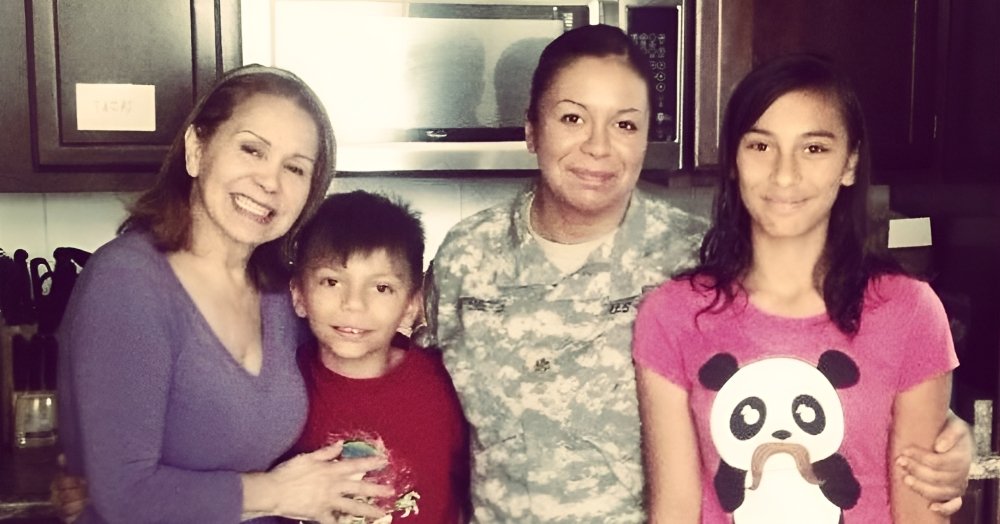
Seventeen years and four months in uniform shaped Whittenberger into a leader long before she ever thought about storytelling, entrepreneurship, or platforms. Commissioned through ROTC after attending an all-girls Catholic high school where military service was anything but common, she entered the Army without a scholarship, without certainty, and without a long-term plan. What she did have was curiosity, grit, and the willingness to try something hard simply to see who she could become.
That willingness carried her through a demanding career as a chemical officer, later known as CBRNE, a field few chose and even fewer stayed in. While peers questioned her decision to remain in the specialty, Whittenberger made deliberate choices shaped by family and responsibility. Turning down a transition into military intelligence so she would not leave her young daughter behind, she stayed the course. Over time, she earned roles rarely offered in her branch, serving as both a company commander and later a battalion executive officer. Those positions taught her how to lead without ego, how to rely on others, and how to step in decisively when needed.
Deployment to Baghdad from 2005 to 2006 further refined her understanding of leadership and resilience. Life inside the Green Zone was far from glamorous, but it reinforced lessons that would later resurface in business and life. Hardship, uncertainty, and constant adjustment were not exceptions. They were the environment. Long before entrepreneurship entered the picture, Whittenberger learned how to function in chaos.
Leaving the military, however, proved more destabilizing than any deployment. Passed over for lieutenant colonel and given just 30 days to decide her future, she accepted early retirement in 2016 with only six months to transition. The moment she received her folded flag and certificate, the weight of identity loss set in. The structure was gone. The mission was unclear. What followed was not a polished pivot but an emotional unraveling that forced her to confront who she was without the uniform.
She turned first to writing, not with a business plan, but with honesty. A blog titled A Wild Ride Called Life became a place to process grief, confusion, and reinvention in real time. What surprised her most was the response. Strangers reached out, sharing their own struggles with transition, identity, and mental health. As she later reflected, “When I had strangers reach out to me, I literally cried because it was then that I realized I can’t stop.”
That realization pushed her forward, even when she did not yet know the destination. She experimented with podcasting, explored storytelling in different forms, and resisted the pressure to package her pain into something marketable too quickly. Instead, she focused on healing. Writing her book in 2021 became part of that process. Diagnosed with depression, anxiety, and PTSD, Whittenberger chose to share her story not as a confession, but as release. The book was not meant to be the final chapter. It was a necessary one.
As her confidence grew, so did her voice. Speaking engagements followed. Mentorship opportunities emerged. Whittenberger began helping others navigate entrepreneurship while managing mental health, a conversation often overlooked in spaces obsessed with metrics and perfection. Her authenticity became her credibility.
The next evolution came through media. Serving as an editor for a digital magazine gave her the tools she needed to sharpen her craft as a journalist, interviewer, and storyteller. More importantly, it showed her what was possible. She learned that authority does not come from size, but from intention and execution. “Never in my wildest dreams would I have thought I could actually say I own a media company,” she admitted.
Today, Whittenberger is building something expansive and deeply personal. Her media work spans podcasting, music, film, and journalism, with a clear focus on elevating voices that are often overlooked. Local artists, veterans, Gold Star families, and everyday people with meaningful stories all have a place in her vision. She is just as interested in covering national events as she is in spotlighting someone fighting quietly for justice in their community.
At the core of her work is a belief that success is measured in people, not profit. Supporters, collaborators, and quiet messages of encouragement mean more to her than numbers. “My success is from my people,” she said. That philosophy guides how she leads and who she allows into her circle. Toxicity, disrespect, and performative connection have no place in what she is building.
Leadership, for Whittenberger, is no longer about rank or approval. It is about example. As a mother, grandmother, and public voice, she filters her choices through legacy. How she shows up matters, not just professionally, but personally. She has learned that she cannot please everyone, and that silence can sometimes speak louder than reaction.
What drives her forward now is impact. She wants media to feel human again. She wants stories that honor truth, resilience, and dignity, even when they are uncomfortable. She believes deeply in the power of voice and the responsibility that comes with amplifying it. “The most powerful thing you have is your voice,” she often says, and her work reflects that conviction.
From an uncertain ROTC cadet to a combat-tested officer, from a struggling retiree to a media founder with an unshakable mission, Annette Whittenberger has built a life defined not by ease, but by meaning.