Austin has always been a city that moves to its own rhythm. Known for its music, tech, and counterculture spirit, it’s now leading a culinary revolution that’s redefining what it means to eat in Texas. While barbecue and Tex-Mex remain foundational, the city’s chefs, pitmasters, and food entrepreneurs are pushing boundaries, blending global influences with local ingredients, and turning Austin into one of the most exciting food destinations in the country.
This transformation isn’t just about new restaurants, it’s about a shift in mindset. Austin’s culinary identity is no longer confined to tradition. It’s experimental, inclusive, and deeply rooted in community. From food trucks to fine dining, the city’s kitchens are telling stories that reflect its diversity, creativity, and appetite for change.
Barbecue Roots, Reinvented
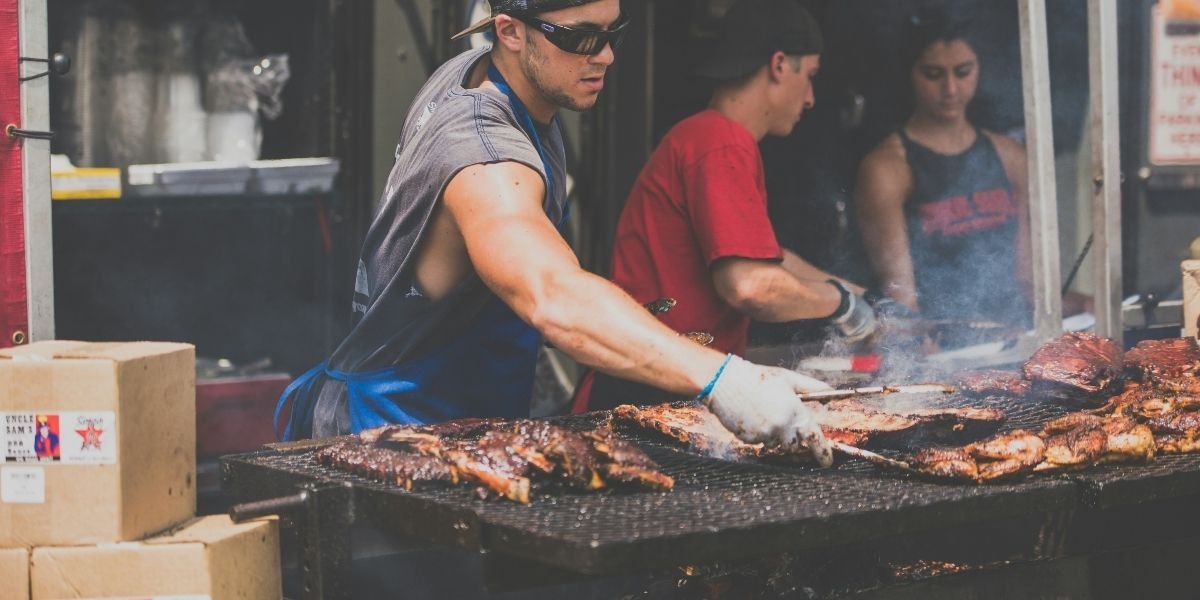
No conversation about Austin’s food scene can begin without barbecue. It’s the city’s culinary backbone, and for many, the gateway to Texas cuisine. But what sets Austin apart is how it honors tradition while embracing evolution. Legendary spots like Franklin Barbecue and Micklethwait Craft Meats continue to draw lines around the block, serving brisket that’s become a rite of passage for locals and tourists alike.
At the same time, a new generation of pitmasters is reimagining what barbecue can be. They’re experimenting with global flavors, adding gochujang glazes, mole rubs, and smoked lamb shawarma to their menus. They’re sourcing heritage meats, using sustainable wood, and incorporating plant-based options without losing the soul of the smoke.
This blend of reverence and reinvention is what defines Austin’s barbecue scene today. It’s not about abandoning tradition, it’s about expanding it. For a deeper look at how regional styles influence this evolution, this culinary journey through Texas barbecue offers essential context on the state’s diverse smokehouse heritage.
Tex-Mex With a Twist
Tex-Mex has long been a staple of Austin’s food identity, but the city’s current wave of chefs is taking it far beyond queso and enchiladas. They’re digging into the roots of Mexican cuisine, blending it with Texas ingredients, and creating dishes that are both nostalgic and new.
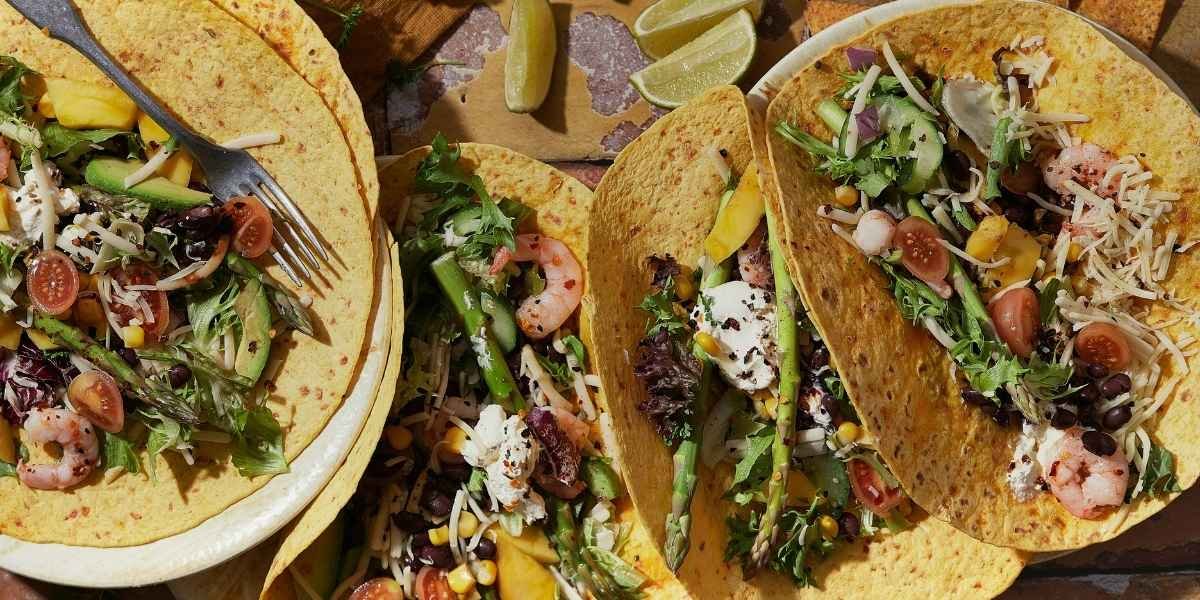
Restaurants are serving masa made from heirloom corn, tacos filled with smoked duck or grilled cactus, and salsas that range from fire-roasted to fermented. Breakfast tacos remain a citywide obsession, but now they come with house-made chorizo, vegan queso, or kimchi slaw. It’s a genre that’s constantly evolving, reflecting Austin’s openness to fusion and its respect for culinary heritage.
This evolution is also about representation. More Latinx chefs are stepping into leadership roles, telling their own stories through food, and reclaiming the narrative around Tex-Mex. Their influence is reshaping menus, redefining authenticity, and expanding the city’s palate.
Innovation on Every Corner
What truly sets Austin’s culinary revolution apart is its embrace of innovation. The city’s food scene thrives on experimentation, whether it’s a ramen shop using smoked brisket broth, a bakery infusing kolaches with Thai curry, or a cocktail bar aging mezcal in used barbecue pits.
Food trucks remain a vital part of this ecosystem. They offer low-barrier entry for new chefs, foster creativity, and allow for rapid iteration. Many of Austin’s most celebrated restaurants started as mobile kitchens, testing bold ideas before scaling up. This spirit of hustle and experimentation is baked into the city’s culinary DNA.
Technology also plays a role. Online ordering, ghost kitchens, and social media-driven pop-ups have become standard tools for Austin’s food entrepreneurs. These platforms allow chefs to connect directly with their audience, build community, and adapt quickly to trends. It’s a model that rewards agility and authenticity, two qualities that define the city’s food culture.
Community, Culture, and Culinary Identity
Austin’s culinary revolution isn’t just about what’s on the plate, it’s about who’s at the table. The city’s food scene is increasingly shaped by community values, cultural exchange, and a commitment to inclusivity. Chefs are collaborating across cuisines, hosting fundraisers for local causes, and using food as a platform for dialogue.
This sense of purpose is reflected in the city’s growing number of food collectives, co-ops, and nonprofit kitchens. These spaces prioritize equity, sustainability, and education, ensuring that the benefits of Austin’s food boom are shared more widely. They also serve as incubators for the next generation of culinary talent, offering mentorship, resources, and visibility to underrepresented voices.
The result is a food culture that feels alive, layered, and deeply Texan. It honors the past while embracing the future. It’s rooted in place but open to the world. And it’s constantly evolving, just like the city itself.
For readers eager to explore the full spectrum of Texas cuisine, this guide to essential dishes and hidden culinary gems offers a curated starting point for discovering the flavors that define the state.
The Future of Austin’s Food Scene
As Austin continues to grow, so does its culinary influence. The city is attracting national attention, drawing chefs from across the country, and inspiring other Texas cities to rethink their own food identities. But what makes Austin’s culinary revolution sustainable is its foundation: a community that values creativity, collaboration, and culture.
Looking ahead, expect to see more cross-cultural mashups, more plant-forward menus, and more investment in food equity. Expect to see barbecue and Tex-Mex continue to evolve, shaped by new voices and global influences. And expect Austin to remain at the forefront of the conversation, because in this city, food isn’t just fuel. It’s expression, innovation, and identity.