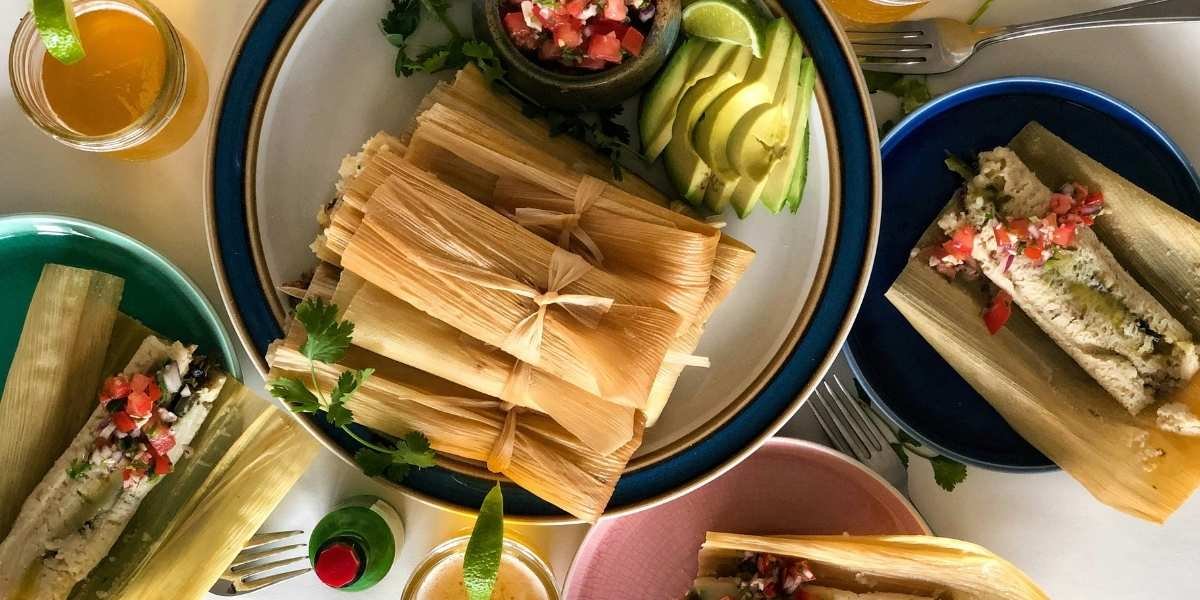
When one thinks of Christmas in Texas, the image of tamales, steaming hot and filled with rich, savory flavors, is likely one of the first things that comes to mind. Far more than just a seasonal dish, tamales have become an essential part of the Texas holiday spirit, woven deeply into the fabric of family gatherings and local culture. The aromatic scent of tamales fills kitchens and neighborhoods across the state, creating an unmistakable sign that the holidays are here.
From the vibrant communities of South Texas to the bustling urban areas of Dallas and Austin, tamales have become synonymous with Christmas, gracing dinner tables and bringing people together. As part of the enduring holiday tradition, tamales offer a taste of history, a symbol of resilience, and an opportunity for connection that spans generations.
A Deep History Behind the Tamale Tradition
The tradition of tamales has roots that stretch back centuries, originating in Mesoamerican civilizations where tamales were prepared for festivals and ceremonies. These ancient cultures were among the first to shape the humble tamale into something much more than just food, it became a cultural cornerstone. Fast forward to modern-day Texas, and tamales have evolved into a beloved holiday custom, especially within Mexican-American communities.
While tamales have spread across many other regions and cultures, the unique role they play in Christmas celebrations in Texas sets them apart. Every bite links back to the past, carrying the stories of migration, adaptation, and unity. The festive dish has become a symbol of Texas’ diverse heritage, celebrated by families of all backgrounds.
The Heart of the Tradition: The Tamalada
At the core of this holiday custom is the tamalada, a community gathering where families come together to prepare tamales in large batches. This event is much more than just a cooking session, it’s an immersive celebration. It’s a space where stories are shared, memories are made, and families bond over the process of creating something special. From early morning preparations to the satisfying moments of folding masa and husks, the tamalada is a vibrant tradition that brings warmth to both the kitchen and the heart.
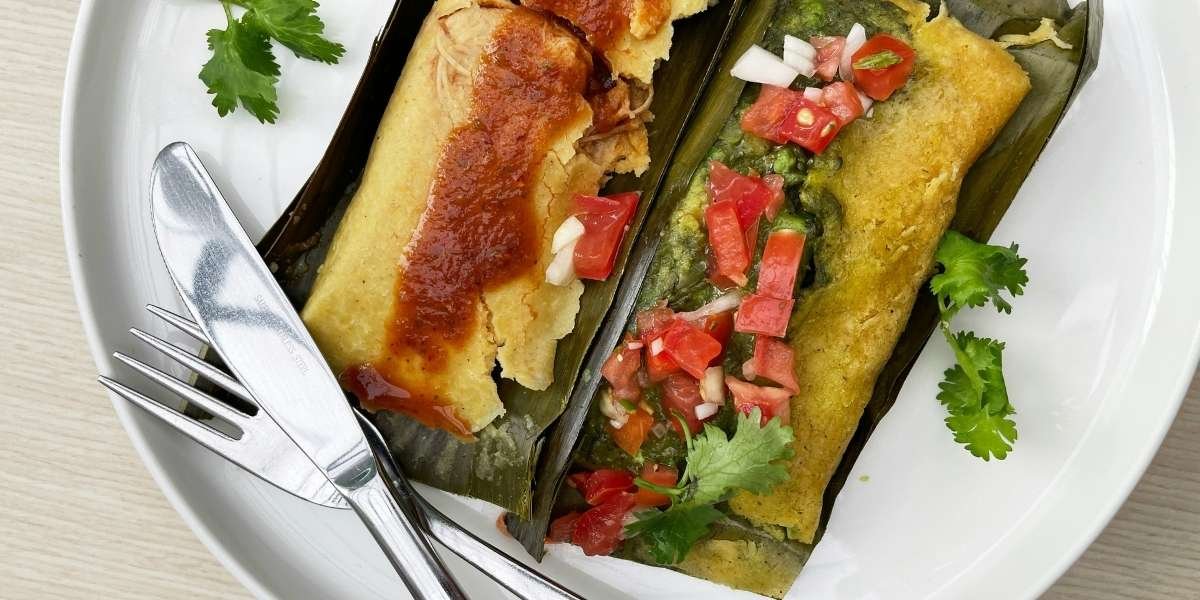
The tamalada is often seen as just as important as the holiday meal itself, a reminder that the joy of Christmas is found not only in the food but in the togetherness of the experience. Whether someone is a seasoned tamale maker or a newcomer learning the ropes, everyone plays a part in creating this meaningful meal. And while it’s easy to focus on the delicious tamales themselves, the real treasure of the tamalada is the memories forged and the connections deepened.
Regional Variations and Family Recipes
What makes Christmas tamales in Texas even more interesting is the diversity of fillings and flavors across regions. In South Texas, for instance, tamales stuffed with tender pork and smothered in rich red chili sauce are common. In Central Texas, chicken and beef tamales take the lead, while in the western parts of the state, one may encounter tamales filled with an array of creative ingredients like sweet potatoes, cheese, or even chocolate.
These regional variations reflect the wide-ranging cultural influences in Texas. Each family brings its own twist on the classic dish, whether through unique ingredients, cooking methods, or family recipes passed down for generations. For some, this involves experimenting with sweet tamales, adding raisins or cinnamon to the masa for a festive flair. Others stick to more traditional flavors, creating tamales that are as close to their ancestors’ recipes as possible.
No matter the recipe, the variety and creativity of Texas tamales speaks to the state’s ever-evolving culinary landscape. This diversity sparks curiosity, what makes tamales so adaptable across generations and communities? The answer lies in how tamales celebrate family traditions while embracing innovation, creating a food culture that is rich in both history and modern flavor.
A Cultural Symbol and Shared Heritage
The cultural significance of tamales goes far beyond their taste. They symbolize resilience, adaptation, and the intertwining of Mexican and Texan identities. For many families, tamales represent a way of honoring ancestors, reconnecting with roots, and maintaining a link to the past while celebrating the present.
In Texas today, tamales have grown from a cherished holiday food into a commercial phenomenon. Many bakeries and restaurants now offer tamales by the dozen in the weeks leading up to Christmas, catering to the high demand as customers eagerly line up for their annual holiday supply. This demand underscores how tamales have moved from private kitchens into the public sphere, evolving into a symbol of shared community pride.
But while tamales have transitioned into the commercial space, they still carry the weight of cultural heritage. In every kitchen where masa is mixed and husks are folded, there’s an unspoken recognition that tamales represent something much bigger than a meal, they are a bridge between generations, a reflection of the strength of family, and a reminder that traditions live on.
More Than Just Food, But a Bridge Between Generations
Perhaps the most enduring aspect of the Texas Christmas tamale tradition is its role as a bridge between generations. Making tamales with family is an experience that spans time, as children learn from their parents and grandparents, inheriting skills and stories that have been passed down over the years. Every tamale carries with it the memory of someone who has made it before, from grandmothers teaching their grandchildren the art of spreading masa, to fathers sharing tales of past holidays.
This multi-generational exchange ensures that tamales remain more than just a seasonal dish. They become a living tradition, passed down with care and pride. The act of making tamales is as much about preserving culture as it is about enjoying food, ensuring that the tradition continues to thrive. The tamalada becomes a time to reflect on shared histories, reinforcing the values of family, togetherness, and love.
For many Texans, the process of making tamales is a powerful reminder that the true spirit of Christmas is not found in the decorations or the gifts, but in the time spent together. The laughter, the chatter, the shared effort, these are the moments that make Christmas in Texas feel like home.
The Timeless Appeal of Christmas Tamales
In a state as diverse as Texas, it’s no surprise that tamales have come to symbolize the essence of the holiday season. They represent the union of cultures, the blending of generations, and the importance of family traditions. With each tamale wrapped and each batch shared, Texans continue to honor the past, celebrate the present, and look toward the future.
Christmas tamales are more than just food, they are a living tradition, one that brings families together and keeps the holiday spirit alive, year after year. Whether served on a dinner table or shared at a tamalada, these little pockets of history offer a taste of something much larger, a connection to roots, families, and communities.
In Texas, the holidays wouldn’t be the same without tamales, and with every bite, the spirit of Christmas is kept alive, one tamale at a time.