Texas has long been known for its car-centric cities and sprawling highways, but a quiet revolution is reshaping how people move through the Lone Star State. E-bikes, once considered a niche product, are now becoming a mainstream mode of transportation and recreation. From Austin’s urban trails to the wide-open roads of West Texas, electric bicycles are changing the way Texans think about cycling, fitness, and sustainability.
A New Kind of Rider
E-bikes appeal to a broad range of users. Commuters appreciate the ability to travel longer distances without arriving drenched in sweat. Older adults and those with physical limitations find renewed freedom in assisted pedaling. Even seasoned cyclists are embracing e-bikes for hill climbs and extended rides.
This inclusivity is expanding the cycling community. More people are riding more often, and cities are responding with infrastructure improvements. Bike lanes, charging stations, and e-bike-friendly policies are popping up in places like Houston, Dallas, and San Antonio.
In El Paso, for example, a local nonprofit launched a program that provides e-bikes to veterans with mobility challenges. The initiative has helped dozens of individuals regain independence and reconnect with their communities through cycling.
Commuting Without the Car
In a state where driving is often considered essential, e-bikes offer a compelling alternative. Riders can bypass traffic, reduce fuel costs, and enjoy a more active commute. For urban professionals, e-bikes are becoming a practical solution for short to mid-range travel.
Cities like Austin are leading the charge with bike-share programs that include electric options. These initiatives are helping residents rethink their daily routines and explore new ways to get around. As more people adopt e-bikes, the demand for safe, connected cycling routes continues to grow.
Consider the case of a teacher in Fort Worth who switched to an e-bike for her daily commute. She saves nearly $200 a month on gas and parking, and she reports feeling more energized when she arrives at school. Her story is part of a growing movement of Texans who are choosing e-bikes over cars for everyday travel.
Environmental Benefits
E-bikes are not just convenient, they are also environmentally friendly. By replacing car trips with electric rides, Texans are cutting down on emissions and contributing to cleaner air. This shift is especially important in urban areas where pollution levels can be high.
Even small changes in transportation habits can lead to significant environmental gains, especially when considering how cycling contributes to reducing carbon footprints and pollution. E-bikes amplify this effect by making cycling accessible to more people and more situations.
In Houston, a recent study found that replacing just 10 percent of car trips with e-bike rides could reduce the city’s carbon emissions by thousands of tons annually. That kind of impact is drawing attention from policymakers and environmental advocates alike.
Fitness and Lifestyle
While e-bikes provide motor assistance, they still require physical effort. Riders pedal, steer, and balance just like on a traditional bike. The result is a low-impact workout that fits into daily life. For many Texans, e-bikes are helping bridge the gap between sedentary routines and active living.
This is especially relevant in a state where long commutes and desk jobs are common. E-bikes offer a realistic way to stay active every day despite a sedentary lifestyle, without requiring a gym membership or major schedule changes.
Take the example of a retiree in Corpus Christi who uses her e-bike to run errands and visit friends. She credits the bike with helping her stay mobile and maintain a healthy weight, even after knee surgery. Her experience reflects a broader trend of older adults using e-bikes to stay active and socially engaged.
Families are also getting involved. Parents are using cargo e-bikes to transport kids, groceries, and gear. Weekend rides are becoming family outings, and children are learning to appreciate cycling from a young age. This cultural shift is laying the groundwork for a healthier, more connected generation.
Economic Impact
The rise of e-bikes is creating new business opportunities across Texas. Local bike shops are expanding their inventory, offering maintenance services, and hosting community events. Entrepreneurs are launching e-bike rental services in tourist destinations like Fredericksburg and Galveston.
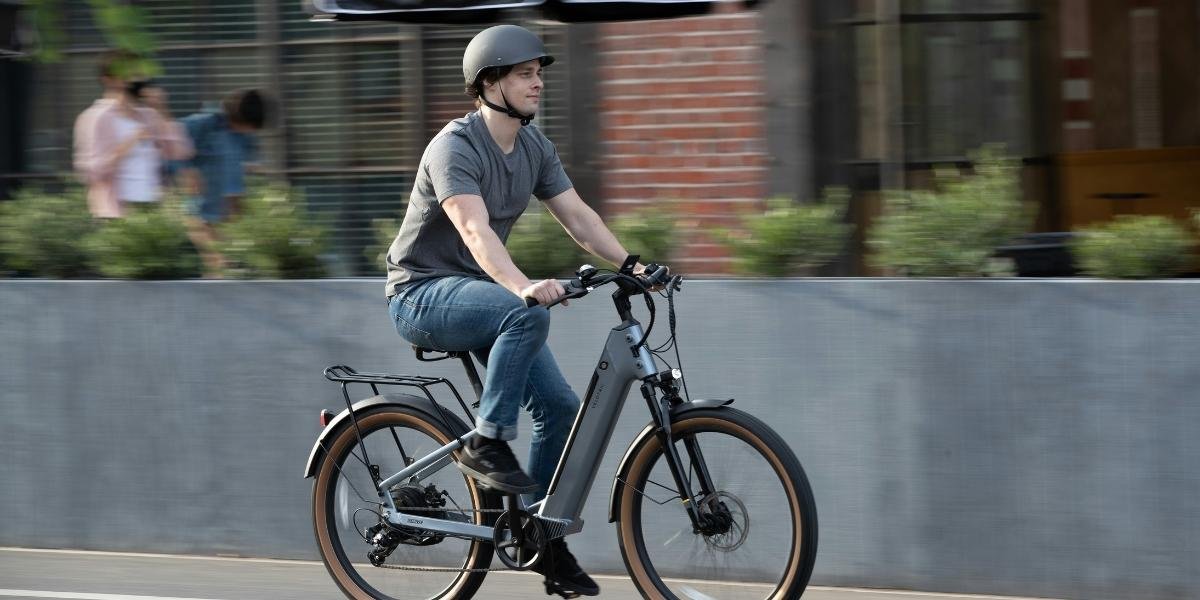
Delivery services are also taking notice. E-bikes are being used for food delivery, courier work, and last-mile logistics. These applications reduce fuel costs and increase efficiency, especially in congested urban areas.
In San Antonio, a startup recently launched an e-bike-powered delivery fleet that serves local restaurants. The company reports faster delivery times and lower operating costs, and it’s already planning to expand to other cities.
The economic ripple effect extends to tourism. Visitors are exploring cities and scenic routes on e-bikes, spending money at local businesses along the way. Guided tours, rental packages, and cycling festivals are drawing crowds and boosting regional economies.
Infrastructure and Policy
As e-bike usage grows, infrastructure must evolve to support it. Texas cities are investing in bike lanes, signage, and traffic-calming measures. Some municipalities are updating zoning laws to allow for bike-friendly developments and mixed-use neighborhoods.
Policy changes are also underway. Lawmakers are considering regulations around speed limits, helmet use, and e-bike classifications. These efforts aim to balance safety with accessibility, ensuring that e-bikes remain a viable option for all riders.
Public-private partnerships are playing a role in this transformation. Tech companies, advocacy groups, and local governments are collaborating to build smarter transportation networks. Data from e-bike usage is helping planners design routes that reflect real-world needs and behaviors.
In Plano, for instance, city planners used GPS data from shared e-bikes to identify high-traffic corridors and prioritize infrastructure upgrades. The result has been a safer, more efficient cycling network that benefits all riders.
Challenges and Considerations
Despite their benefits, e-bikes are not without challenges. Cost remains a barrier for some, with high-quality models often priced above traditional bikes. Theft and vandalism are concerns, especially in urban areas without secure parking options.
Battery life and charging infrastructure are also important considerations. Riders need reliable access to power, and cities must plan for increased demand. Education around e-bike maintenance and etiquette is essential to ensure safe and respectful riding.
There is also a cultural adjustment. Some traditional cyclists view e-bikes with skepticism, questioning their authenticity or impact on trail etiquette. Bridging this divide requires open dialogue and shared experiences. As more people ride together, perceptions are shifting toward inclusion and mutual respect.
Looking Ahead
E-bikes are more than a trend, they are a transformative force in Texas transportation. By making cycling more accessible, practical, and enjoyable, they are reshaping how people move, connect, and live. From urban commuters to weekend explorers, Texans are embracing a new kind of ride.
As infrastructure improves and awareness grows, the potential for e-bikes will only expand. Whether it’s reducing emissions, staying active, or supporting local economies, the benefits are clear. E-bikes are not just changing cycling culture, they are helping build a more sustainable and vibrant Texas.