Texas has seen a noticeable rise in art and craft businesses over recent years, reflecting a broader cultural shift toward handmade goods and personalized creations. From bustling urban markets to quiet rural studios, these ventures are carving out spaces where creativity meets commerce. The appeal lies not just in the products themselves but in the stories behind them—each piece often carrying the mark of individual craftsmanship and local inspiration. This movement goes beyond simple transactions, fostering connections between makers and communities while contributing to regional economies in meaningful ways.
Read also: Texan Coffee Culture: Coffee Shops and Local Roasteries
How Local Culture Shapes Artisan Businesses
The diversity of Texas plays a significant role in the types of art and craft businesses that flourish there. In cities, contemporary designs often blend with traditional techniques, resulting in products that feel both fresh and rooted in heritage. Meanwhile, smaller towns might specialize in time-honored crafts passed down through generations, such as pottery or leatherwork. The state’s vast landscapes and cultural mix provide endless inspiration, whether it’s the earthy tones of West Texas deserts or the vibrant hues of coastal areas.
Many artisans start small, selling at weekend markets or through online platforms before expanding to dedicated storefronts. These spaces often become gathering points where people can watch creators at work, adding a layer of transparency to the process. Customers increasingly value knowing who made their purchases and under what conditions, which gives independent craft businesses an edge over mass-produced alternatives. The rise of social media has also allowed makers to showcase their processes, building followings that translate into loyal customer bases without relying on traditional advertising.
Seasonal events and local collaborations further strengthen these ventures. Pop-up shops during holidays or partnerships with nearby cafes create opportunities for exposure while reinforcing community ties. Some areas have even developed arts districts where multiple studios operate in close proximity, drawing visitors interested in unique shopping experiences. This ecosystem benefits everyone involved—artists gain visibility, buyers access one-of-a-kind items, and neighborhoods cultivate distinct identities tied to creativity.
Challenges and Opportunities for Craft Entrepreneurs
Running an art or craft business isn’t without its hurdles. Sourcing materials sustainably while keeping costs manageable requires careful planning, especially when competing against cheaper, factory-made goods. Many artisans spend as much time on logistics—like pricing strategies and inventory management—as they do on actual creation. There’s also the challenge of scaling up without losing the handmade quality that defines their work. Some choose to stay small intentionally, prioritizing craftsmanship over expansion, while others experiment with limited-edition releases to meet demand without overextending.
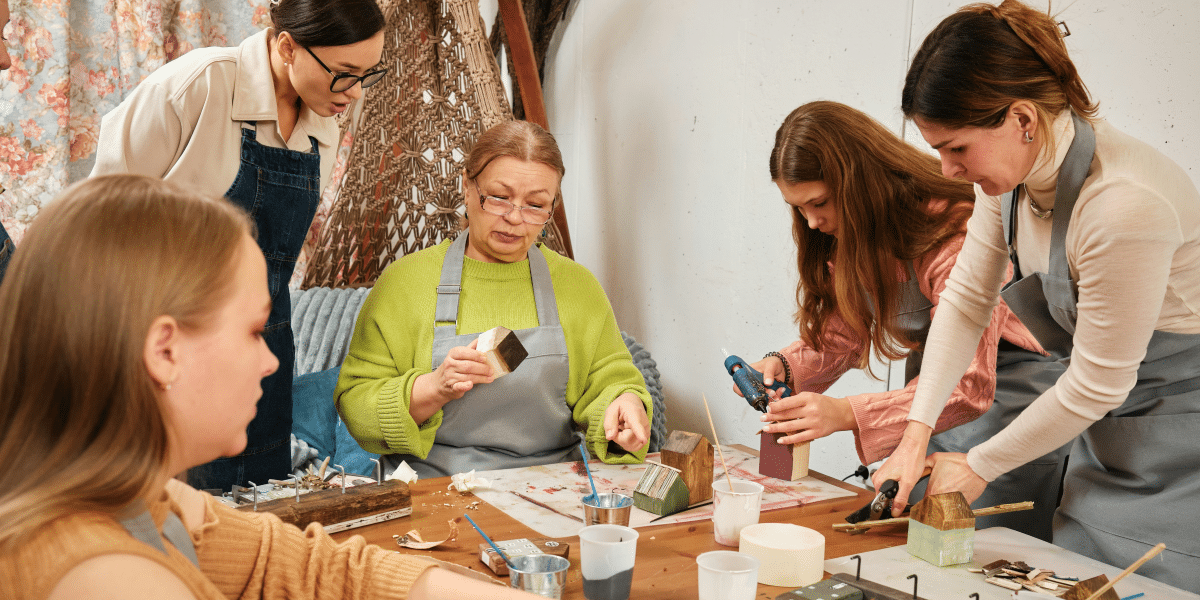
Despite these obstacles, opportunities abound. The growing interest in sustainable living has led more consumers to seek out durable, ethically made products over disposable ones. Workshops and classes offered by artisans add another revenue stream while engaging people who want to learn skills like weaving or woodworking firsthand. Collaborations between different types of makers—such as a jeweler teaming up with a textile artist—can lead to innovative collections that attract new audiences.
Technology plays a dual role: simplifying operations through e-commerce tools while also intensifying competition. Successful entrepreneurs often strike a balance, using digital platforms for sales without letting algorithms dictate their creative direction. Local support initiatives, like grants for small creative businesses or mentorship programs, help too. These resources make it easier for newcomers to navigate early struggles and find footing in a crowded market.
Looking ahead, the resilience of Texas’ art and craft scene seems assured. Its strength lies in adaptability—whether through embracing new trends or reinventing old methods—and a shared commitment to keeping handmade traditions alive. As long as there are people who appreciate the time and care embedded in each hand-thrown mug or hand-stitched bag, these businesses will continue thriving. They remind us that even in an age of automation, there’s still a place for human touch and imagination.
Read also: Exploring Drone Technology and Its Applications in Texas