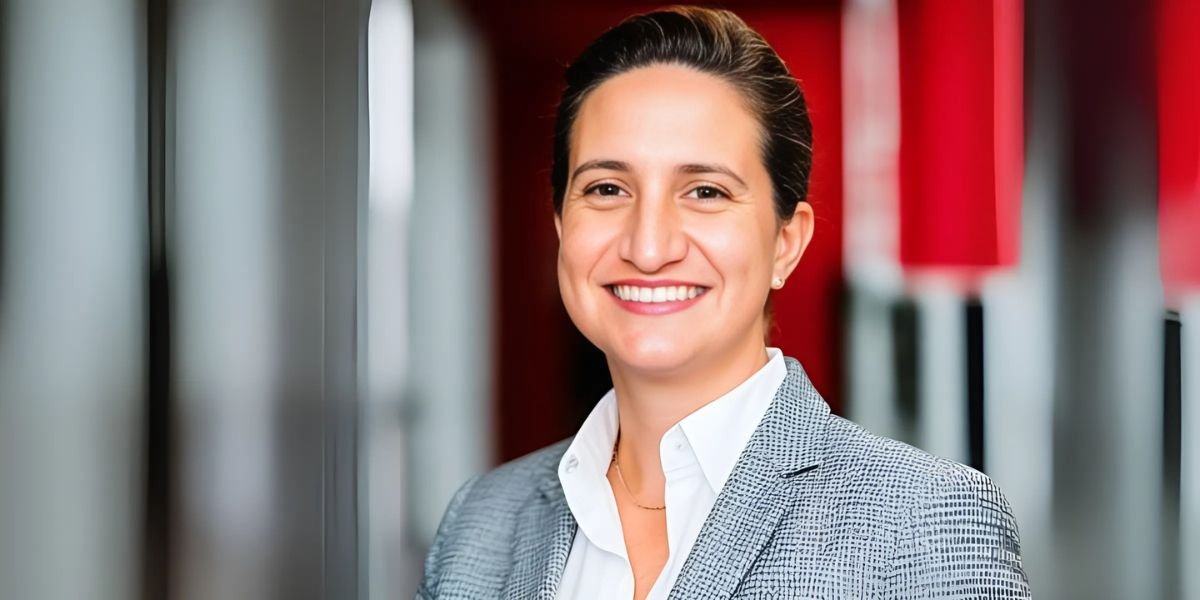
By: Savannah Torres
Ann Russo, therapist and founder of AMR Therapy, says many LGBTQIA+ individuals experience deep internal questioning before ever receiving external support. “You have this whole process of something different about me… How am I going to be accepted?”
On Can’t Host: Gay, Bisexual, and Queer Men’s Sex and Relationships, Ann Russo joined host George Lizos to talk about queer mental health, religious trauma, and how to find peace with identity and faith. With her deep experience in theology and affirming mental health care, Russo offered both context and actionable insight for queer people and the professionals who support them.
Growing Up Queer in a Queer Household
Ann Russo’s story begins with her father coming out in the 1980s when she was just five years old. He’s now been with his partner for over 40 years. Growing up in that environment gave Russo a unique perspective. “We do what everybody else does… but why are we hated so much?” She remembered thinking as a child.
Although her immediate family was loving and supportive, the outside world was not. “It was really living in fear of people finding out about my dad’s identity,” she said. Even after realizing her own queerness, Russo found herself deeply afraid. “I was petrified. Being a gay person from the time I was recognizing what that was.”
Rejection is the Root
When asked about the top mental health challenges queer people face, Russo pointed to one word: rejection.
“The absolute number one umbrella is rejection,” she said. “Rejection from family, rejection from peers, from church, work environments, your community.” She explained how rejection damages self-worth and often can contribute to emotional distress. “Some may struggle with isolation, depression, or anxiety, self-doubt, trying to maybe even change who you are.”
For many clients, healing starts with naming this pain and finding spaces where their full identity is seen and supported.
Exploring Inclusive Faith Through Liberation Theology
Religion is a common source of emotional conflict for many of Russo’s clients—and an area of her professional expertise. She holds a Master’s in Theology and studied liberation theology with a focus on marginalized identities.
Russo emphasized that queerness and Christianity are not mutually exclusive. “You’re either gay or you believe in God. No, that’s false. That’s a hundred percent false choice,” she said. For queer Christians struggling with shame, she recommends exploring liberation theology. “Jesus is for everybody, especially for those who have been marginalized and excluded. His teachings offer affirmation for all identities.”
She also explained the historical context of the Bible’s construction. “There are agendas at play that are not necessarily about God,” she said. Rather than focusing solely on what scripture says, Russo encourages asking how and why certain texts were included.
Healing Begins in the Body
According to Russo, emotional recovery related to faith and identity begins in the nervous system. “The work really begins in the body,” she said. “You can’t start to deconstruct some of that until you actually feel safe deconstructing some of that.”
She encourages clients to develop awareness outside moments of crisis. “Just sit with yourself and do a body scan… Where do you feel tension? Shoulders? Jaw? Chest?” Once clients learn how their bodies respond to emotional stress or tension, they can use somatic tools—like breathwork or bilateral tapping—to calm the nervous system and build resilience.
Finding the Right Therapist
Affirming therapy is central to Russo’s practice. But she knows it’s not always easy to find. “The work is on the therapist more than it is on the client,” she said. She advises queer clients to ask questions before committing to therapy. “Have you ever worked with a queer client before? What was that like for you?”
Directories for queer-affirming therapists can be a useful starting point, but clients should feel empowered to screen therapists themselves. “If you cannot bring your full self into a therapy session, then that is not the right therapist for you.”
Ann Russo is the Founder and Clinical Director of AMR Therapy. Her work centers on supporting LGBTQIA+ clients and individuals seeking affirming care around identity and belief through affirming, trauma-informed care. She recently completed a book to help therapists support clients processing identity-related spiritual conflict toward healing without pushing specific belief systems.
You can listen to Ann’s full episode on the podcast here. Feel free to reach out to her via the links on her website or click here to subscribe to her newsletter.
Disclaimer: The information provided in this article is for general informational purposes only and is not intended as professional therapy or counseling advice. Individuals seeking therapy should consult with a licensed mental health professional to address their specific needs. Results from therapy may vary based on individual circumstances.