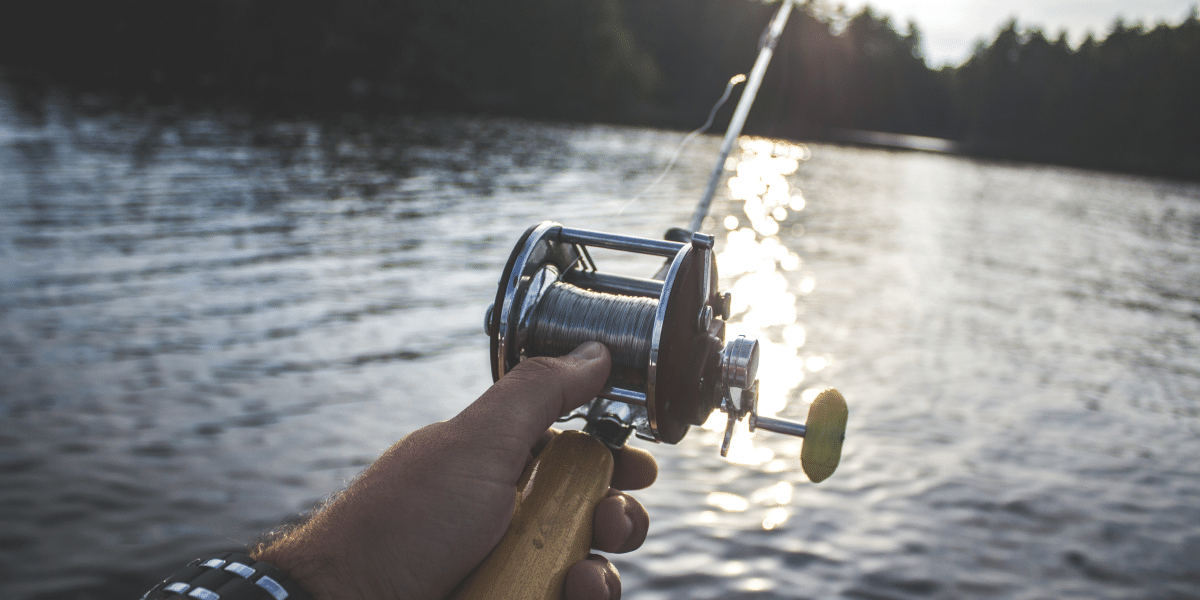
Across Texas, hunting and fishing remain deeply woven into the fabric of daily life for many residents. These activities serve as more than just pastimes—they represent a connection to the land, a means of sustenance, and a way to pass down knowledge through generations. The state’s diverse landscapes, from piney woods to coastal marshes, provide ideal settings for these outdoor pursuits. While urban areas continue to expand, the enduring popularity of hunting and fishing demonstrates how Texans maintain ties to rural traditions even as the modern world evolves.
Read also: Smart Ways to Make Your Phone Battery Last Longer
Hunting as a Cultural Practice
Hunting in Texas carries historical significance that predates modern statehood. What began as a necessity for early settlers and indigenous peoples has transformed into a carefully managed activity that balances recreation with conservation. Many hunters view their role as stewards of the environment, participating in wildlife management programs that help maintain healthy animal populations. The practice also fosters self-reliance, with individuals learning to track game, process meat, and utilize hides—skills that were once essential for survival and now serve as links to the past.
Different regions of the state offer varied hunting experiences. South Texas brush country provides habitat for white-tailed deer and wild hogs, while the Panhandle’s open plains attract waterfowl hunters during migration seasons. These geographical differences create localized traditions where techniques and preferred game species reflect the surrounding ecosystem. Hunting leases on private lands remain common, though public wildlife management areas provide access for those without private property connections. The social aspect of hunting should not be overlooked either, as many families and friend groups consider seasonal trips important bonding experiences that strengthen relationships away from digital distractions.
Fishing’s Place in Texas Life
Like hunting, fishing holds special meaning for Texans across the state. From quiet farm ponds to the Gulf Coast’s productive waters, fishing opportunities abound for both casual anglers and serious enthusiasts. The activity’s accessibility contributes to its widespread appeal—children can learn to cast a line in local creeks while experienced boat captains pursue trophy fish offshore. This range of possibilities ensures fishing remains inclusive, requiring minimal equipment to begin yet offering endless depth for those who wish to specialize.
Coastal communities in particular have developed cultures centered around fishing traditions. Generations of families have made their living through commercial fishing operations, while recreational anglers support related businesses like bait shops and guide services. Even inland, reservoirs and rivers create fishing hotspots that draw visitors year-round. The practice encourages environmental awareness too, as responsible anglers follow regulations designed to protect fish populations and their habitats. Catch-and-release practices have gained traction among some groups, reflecting shifting attitudes about conservation alongside the sport’s enjoyment.
Balancing Tradition and Modern Conservation
Contemporary hunting and fishing in Texas exist at an interesting crossroads between heritage and progressive wildlife management. License fees and equipment taxes fund conservation efforts that benefit both game and non-game species, creating a sustainable model for outdoor recreation. Educational programs teach ethical practices to new participants, ensuring traditions continue while adapting to ecological needs. Climate fluctuations and urban sprawl present ongoing challenges, yet adaptive approaches by state agencies and private landowners help maintain balance.
Technology has changed aspects of these activities without diminishing their core appeal. Advanced gear and weather apps might aid modern outdoors enthusiasts, but the fundamental experiences remain unchanged—the patience required for a successful hunt, the anticipation of a tug on the fishing line, the quiet appreciation of nature’s rhythms. These elements continue attracting new generations to outdoor pursuits, even as leisure options multiply in the digital age.
For many Texans, hunting and fishing represent more than hobbies—they’re ways to engage with the natural world on personal terms. The skills learned and memories made during time spent outdoors often hold greater value than any trophy or catch. As the state grows and changes, these traditions will likely evolve too, but their place in Texas culture seems secure. They provide tangible connections to the land and its history that office jobs and screen time cannot replicate. Whether pursued for food, sport, or simple enjoyment, hunting and fishing remain meaningful threads in the state’s cultural tapestry.