

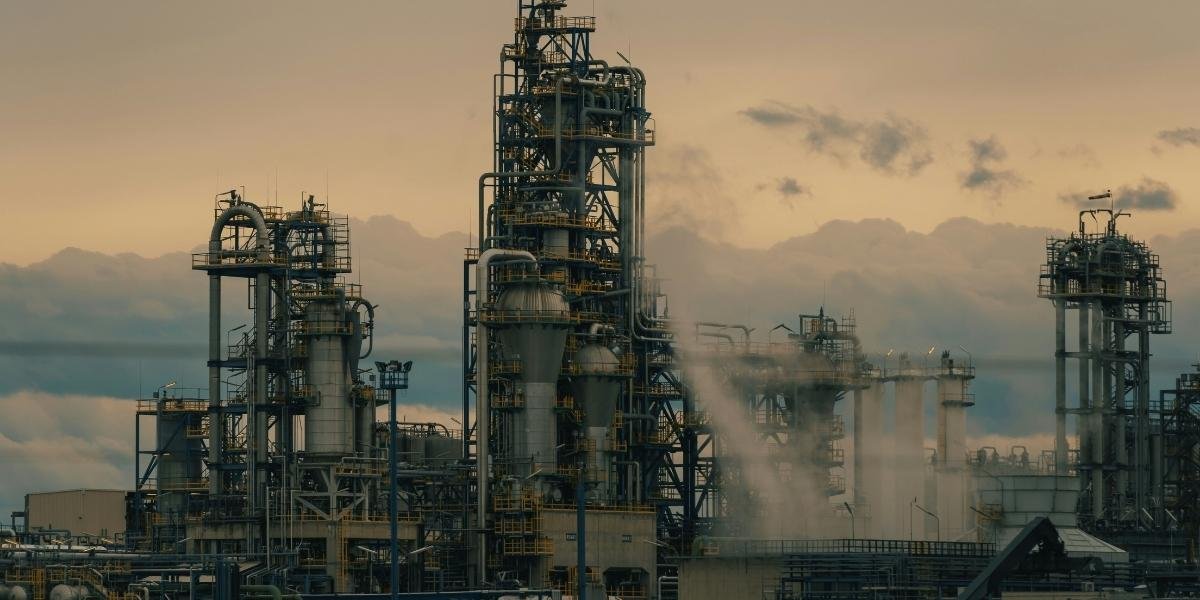
On March 23, 2026, the coastal city of Port Arthur, Texas, was shaken by a powerful explosion at the Valero refinery. The blast sent an enormous plume of thick black smoke into the sky, blanketing the surrounding area and triggering emergency response protocols across the city. Local authorities immediately issued shelter-in-place orders for nearby residents, urging them to stay indoors due to air quality concerns and potential hazardous materials. This explosion, which struck one of the largest petrochemical facilities in the region, has reignited concerns about industrial safety in the area, where communities are heavily reliant on energy production for their livelihoods.
The scale of the explosion was so intense that residents as far as several miles from the site reported feeling the shockwave. Witnesses described the noise as a loud, thunderous boom that rattled windows and shook buildings. The fire that followed the explosion created an unsettling atmosphere as fire crews worked through the night to control the flames. Emergency teams were quickly mobilized to prevent further damage, assess chemical exposure risks, and ensure public safety in the hours after the blast.
Immediate Impact of the Refinery Explosion
The immediate aftermath of the refinery explosion left Port Arthur in a state of heightened alert. Schools in the area were temporarily closed, and businesses were advised to close their doors as a safety precaution. Local authorities quickly set up emergency shelters for displaced residents, while fire crews worked tirelessly to contain the blaze and ensure the area remained safe for those living in the vicinity. While initial reports indicated that no fatalities occurred as a result of the explosion, local hospitals and emergency centers remain on high alert for any potential injuries or long-term health effects due to chemical exposure.
Many residents in Port Arthur described the explosion as earth-shaking, with some reporting that windows rattled and structures were visibly damaged miles away from the refinery site. Some residents even reported feeling the shockwaves inside their homes, which sent a sense of panic through the community. The refinery explosion has raised questions about how prepared the city is to handle such emergencies and whether existing safety measures are enough to protect residents from similar incidents in the future.
Regulatory and Safety Scrutiny Intensifies
The explosion at the Valero refinery has prompted a wave of scrutiny from local regulators, safety experts, and environmental advocacy groups. Port Arthur, a city that has long been a cornerstone of the U.S. energy industry, has seen multiple industrial accidents in the past, raising concerns over the long-standing safety practices of petrochemical plants. In response to the explosion, state regulators have promised a comprehensive investigation into the cause of the blast, pledging full transparency and accountability.
Despite assurances from industry representatives that significant investments have been made in refinery safety upgrades in recent years, the explosion has highlighted ongoing concerns about the adequacy of current safety measures. Environmental groups have long called for stricter oversight and tighter regulations on the energy sector, particularly in communities like Port Arthur, where the industry is a dominant economic force. While the energy sector points to advancements in safety protocols and infrastructure, critics argue that repeated accidents and near-misses indicate that more robust safety measures are needed to protect local communities.
Economic Disruption and Community Concerns
The Valero refinery in Port Arthur is not only a significant industrial facility but also one of the region’s largest employers. This explosion has raised concerns about the immediate and long-term impact on the local economy. With the refinery now closed, even temporarily, supply chains throughout the region could face disruption, potentially affecting fuel prices and regional commerce. As the refinery is a major economic driver in Port Arthur, its shutdown could have ripple effects on other industries, including transportation, manufacturing, and retail, which depend on the refinery’s operations.
For residents of Port Arthur, however, the immediate focus remains on health and safety concerns. While the explosion itself did not result in fatalities, many are worried about potential long-term health risks related to chemical exposure from the blast. Residents are calling for stronger protections against industrial hazards and are urging city officials to review current regulations on industrial safety in light of the explosion. The Valero refinery’s role as a major employer only adds to the complexity of the situation, as the community grapples with the potential loss of jobs and the economic disruption caused by the explosion.
In addition to health and safety concerns, local residents are also calling for more significant efforts to improve emergency preparedness and response systems in Port Arthur. The explosion has underscored the vulnerability of communities living near large petrochemical facilities, where accidents of this magnitude are a constant risk. As the community looks to recover, discussions are expected to center around how to better protect residents and mitigate the risks associated with the energy sector’s presence in the region.
The Broader Context: Texas’ Energy Reliance and Safety
Texas has long been a powerhouse in the U.S. energy industry, with Port Arthur serving as a central hub for refining and petrochemical production. However, incidents like the recent refinery explosion highlight the ongoing tension between the economic reliance on the energy sector and the risks posed to local communities. The explosion serves as a reminder that the energy industry’s dominance in Texas often comes with inherent dangers that can have far-reaching effects on public health and safety.
While Texas has some of the most stringent regulations in the country when it comes to the energy industry, incidents like this explosion raise questions about whether those regulations are sufficient. As the state’s energy infrastructure continues to expand, there is growing pressure on lawmakers and regulators to strengthen safety protocols and enforce stricter oversight of industrial facilities. The explosion in Port Arthur may serve as a catalyst for broader reforms in industrial safety and regulatory measures, particularly in areas where energy production is a significant economic force.
As federal and state agencies review safety standards and assess the effectiveness of current regulations, it remains to be seen whether this incident will lead to significant changes in the way the energy sector operates in Texas. In the meantime, residents of Port Arthur are left to grapple with the immediate aftermath of the explosion and the ongoing risks posed by the presence of large petrochemical facilities in their community.


