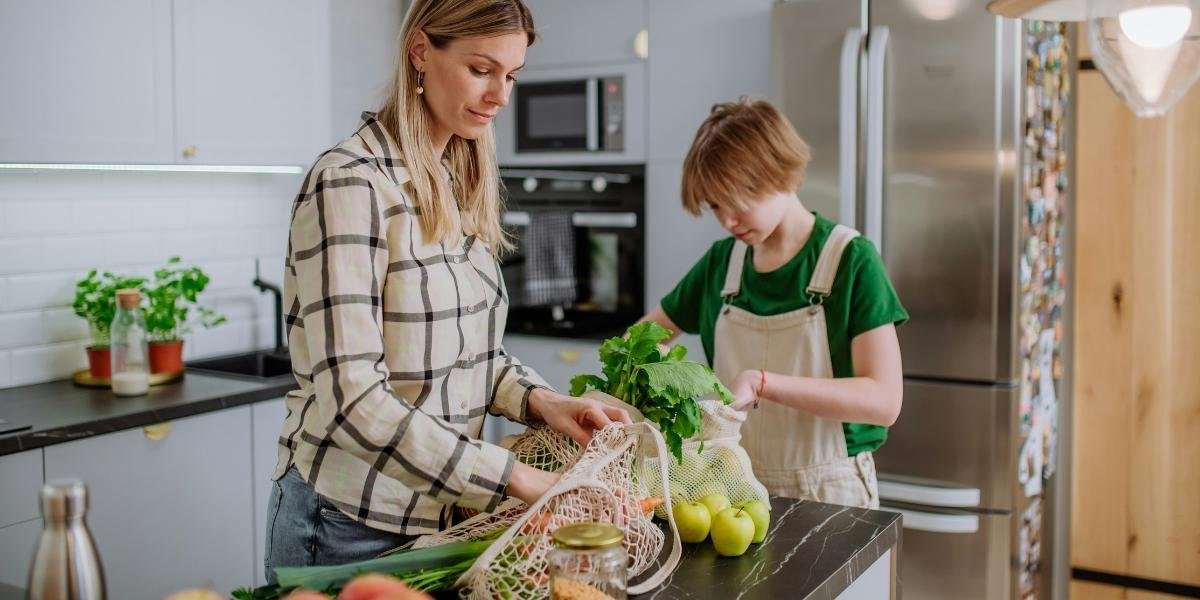
Food prices across Texas have been climbing steadily, reshaping household budgets, altering shopping habits, and prompting broader conversations about economic resilience. From urban centers like Houston and Dallas to rural communities across the Panhandle, families are adjusting to a new reality where groceries consume a larger share of monthly income.
The Cost of the Cart: What Texans Are Facing
Grocery bills in Texas have surged over the past year, with staples like eggs, bread, and fresh produce seeing double-digit price increases. Meat and dairy products, often central to Texas cuisine, have also become more expensive due to supply chain disruptions and increased feed costs.
For many households, this means rethinking weekly menus, cutting back on non-essentials, and seeking out bulk discounts or alternative retailers. Families with fixed incomes, especially seniors and single-parent households, are feeling the pressure most acutely. The shift is not just about spending, it’s about survival.
Budgeting and Behavioral Shifts
As food prices rise, Texans are adapting in creative ways. Meal planning has become more strategic, with shoppers prioritizing versatile ingredients and stretching meals across multiple days. Home cooking is on the rise, not just for health but for cost control. Some households are turning to community gardens or backyard plots to supplement their produce needs.
Digital tools and coupon apps are also gaining popularity. Shoppers are comparing prices across stores, tracking promotions, and joining loyalty programs to maximize savings. These behavioral shifts reflect a growing awareness of how food prices impact long-term financial stability.
Impact on Local Agriculture and Supply Chains
Texas has a rich agricultural heritage, and rising food prices are influencing both producers and consumers. Farmers and ranchers are facing higher input costs, from fuel and fertilizer to labor and equipment. These pressures affect pricing at every stage of the supply chain.
Despite the challenges, some producers are finding opportunities in direct-to-consumer models. Farmers’ markets, subscription boxes, and local co-ops are helping Texans access fresh goods while supporting regional agriculture. A closer look at Texas’s agricultural economy and livestock industry reveals how these shifts are reshaping the relationship between growers and buyers.
Urban vs. Rural Realities
The impact of rising food prices varies across regions. In urban areas, access to multiple grocery chains and discount retailers offers some flexibility. However, transportation costs and time constraints can still limit options. In rural communities, where store choices are fewer and distances greater, residents may face higher prices and limited availability.
Food deserts, areas with restricted access to affordable, nutritious food, are becoming more pronounced. Nonprofits and local governments are working to address these gaps through mobile markets, food pantries, and educational programs. These efforts are essential to ensuring that rising food prices don’t deepen existing inequalities.
Cultural and Dietary Adjustments

Food is deeply tied to culture, and rising prices are influencing how Texans engage with traditional meals. Families may substitute ingredients, reduce portion sizes, or prepare dishes less frequently. While these changes can be practical, they also affect cultural expression and family rituals.
Restaurants are feeling the pinch as well. Menu prices are rising, and some establishments are scaling back offerings or sourcing locally to manage costs. This shift is prompting diners to eat out less often or seek value-driven dining experiences. The ripple effect touches everything from hospitality to tourism.
Economic Stress and Mental Health
The financial strain caused by rising food prices is affecting more than just wallets, it’s impacting mental health. Anxiety around affording groceries, feeding children, and maintaining nutritional standards is growing. For many Texans, food insecurity is no longer a distant concern, it’s a daily reality.
Community organizations are stepping in with support services, including financial counseling, nutrition education, and emergency food assistance. These programs aim to reduce stress and empower households to navigate economic uncertainty with dignity and resilience.
Policy and Political Implications
Rising food prices are prompting policy discussions at both state and federal levels. Lawmakers are exploring ways to stabilize supply chains, support farmers, and expand food assistance programs. Economic instability, including issues like corruption and mismanagement, can exacerbate inflationary pressures. A deeper look into how systemic issues affect the economy reveals the broader context behind price volatility.
Texans are paying attention. Voters, advocacy groups, and business leaders are calling for transparency, accountability, and action. Food prices are no longer just a household issue, they’re a political one.
Community Resilience and Local Solutions
Despite the challenges, Texas communities are showing resilience. Neighborhood food swaps, cooking workshops, and cooperative buying groups are helping residents share resources and knowledge. Schools are expanding meal programs, and churches are hosting food drives to support vulnerable families.
These grassroots efforts reflect the spirit of Texas, resourceful, collaborative, and determined. As food prices continue to fluctuate, local solutions will play a critical role in maintaining access and equity.
Navigating the New Normal
Food prices in Texas are unlikely to return to pre-inflation levels anytime soon. Households, businesses, and policymakers must adapt to a new normal where budgeting, sourcing, and community support are essential. The path forward will require innovation, empathy, and sustained attention to the needs of everyday Texans.
Whether through smarter shopping, stronger local agriculture, or more responsive policy, the state is poised to meet the challenge. Rising food prices may be reshaping Texas households, but they’re also sparking a movement toward resilience, equity, and shared responsibility.