
Texas barbecue remains a major part of the state’s food landscape, and in 2025 it continues to draw significant attention from diners and travelers alike. Long-established barbecue hubs such as Lockhart , officially designated the “Barbecue Capital of Texas” by the state legislature in 1999 , still attract thousands of visitors each year to classic smokehouses. Lockhart’s four main barbecue restaurants estimate roughly 5,000 visitors weekly during peak seasons, underscoring sustained interest in the region’s smoked meats.
While Texas barbecue has deep roots in tradition, how people access and enjoy smoked meats is evolving. Barbecue restaurants, food trucks, and chains with Texas ties have expanded their footprints and offerings. Smokey Mo’s BBQ, originally based in Cedar Park, operates multiple locations and is expanding into new Texas markets, reflecting broader activity in the sector.
The global market for smoked meats, which encompasses barbecue as well as other smoked products, is projected to grow steadily from a 2024 valuation of about $39.6 billion, with continued expansion expected through the end of the decade.
A Mix of Legacy and New Barbecue Ventures
Traditional Texas smokehouses continue to share the stage with newer, dynamic barbecue operations. Snow’s BBQ in Lexington, known for its Saturday-only service and long morning lines, has been celebrated on national and international platforms, including a Netflix feature highlighting Texas barbecue methods and personalities.
In urban centers, newer spots like LeRoy and Lewis Barbecue in Austin have gained recognition in recent years, including mentions in the Michelin Guide and James Beard Award nominations, reflecting evolving tastes and broader recognition for Texas barbecue beyond its classic roots.
Food trucks and expanding chains also contribute to the landscape. Established barbecue brands and mobile operations offer variety in format and pricing, reaching customers in diverse settings , from casual lunch spots to events and catering gigs. Financial data from barbecue and restaurant sectors indicate that smaller formats like food trucks often operate with leaner overhead and varied revenue streams, helping some operators maintain viability in competitive environments.
Regional Barbecue Styles and Culinary Identity
Texas barbecue is known for its variety of regional approaches. Central Texas barbecue tends to emphasize simple rubs and traditional smoking techniques focused on brisket, while East Texas leans toward saucier, chopped-meat styles. South Texas brings influences such as mesquite smoke and barbacoa traditions that trace back to longstanding Hispanic and ranching heritage. This range of styles continues to draw both locals and visitors seeking authentic experiences rooted in specific parts of the state.
Barbecue tourism remains important, with destinations like Lockhart, Taylor, and Austin frequently cited in culinary travel guides and itineraries. Enthusiasts often visit multiple barbecue spots in single trips to compare techniques, flavors, and service styles. This interest supports local businesses, hotels, and associated food festivals and events across Texas.
Trends and Consumer Preferences
Barbecue offerings have diversified to reflect broader dining trends. While traditional smoked brisket, ribs, and sausage remain central to many menus, some establishments experiment with leaner cuts, gluten-free sides, and plant-based alternatives to appeal to customers seeking variety or dietary accommodations. These options often sit alongside core barbecue offerings without replacing classic smoked meats.
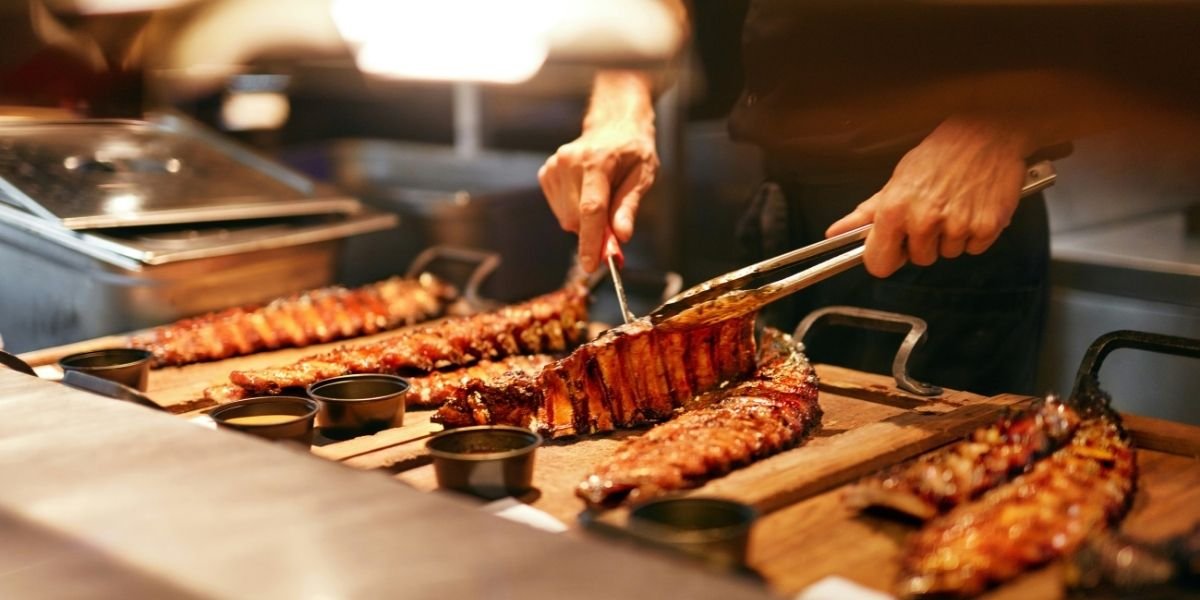
Catering and packaged meals are also part of many businesses’ revenue mix. Barbecue catering remains popular for weddings, festivals, and corporate events, while some restaurants and pitmasters provide boxed meals or meal kits for pickup or delivery, allowing customers to enjoy smoked meats at home or on the go.
In 2025, barbecue festivals such as the Lone Star Smokeout in Dallas-Fort Worth bring together well-known Texas pitmasters alongside chefs from other regions, blending live music and barbecue sampling as part of multi-day events. These gatherings have helped raise the visibility of barbecue beyond its immediate local audiences.
Challenges and Operational Hurdles
Despite its popularity, the barbecue sector in Texas faces ongoing challenges. Meat costs have fluctuated in recent years due to supply chain pressures and broader agricultural trends. Labor shortages and staffing issues remain concerns for many restaurant operators. These factors have prompted some businesses to pursue direct supply relationships with ranchers or to adopt new equipment and training practices to streamline operations.
Weather conditions also affect outdoor smoking and dining experiences, especially in summer heat and storm seasons. Some establishments have responded by investing in covered spaces or climate-controlled seating to accommodate customers year-round.
Additionally, market competition continues to grow. With many barbecue operations vying for attention, businesses emphasize clear identity through storytelling, quality consistency, and community engagement to differentiate themselves from competitors.
Texas Barbecue’s Role in Local Economies
Barbecue remains an integral part of local food economies across Texas. Long-standing institutions as well as growing chains contribute to employment, tourism, and regional branding. Lockhart’s designation as the barbecue capital underscores how deeply anchored smoked meat traditions are in the state’s culinary reputation.
Recent developments highlight barbecue’s continued economic relevance. Historic smokehouses such as Klein Smokehaus in the Texas Hill Country have drawn statewide attention through statewide contests that celebrate local food products, while new hospitality-linked developments , such as a combined barbecue restaurant and boutique hotel in Houston by a well-known Central Texas barbecue family , showcase next-generation business models expanding around barbecue.
The Future of Texas Barbecue Business
The Texas barbecue scene continues to evolve in response to shifting consumer tastes and broader food industry trends. Operators are exploring new formats such as hybrid dine-in/delivery models and leveraging social media to connect directly with customers. Tools like Instagram and TikTok remain important avenues for showcasing smoked meats, technique videos, and behind-the-scenes content that help build loyal followings.
Niche ventures like smaller regional brands expanding internationally , for example, a Texas barbecue restaurant opening a location in Taipei , highlight the growing export of Texas barbecue style and expertise beyond U.S. borders.
Barbecue’s central appeal , slow-smoked meats and distinctive regional flavors , continues to draw both repeat locals and newcomers eager to explore the state’s barbecue offerings. Whether through classic smokehouses or emerging barbecue operations, Texas’s barbecue business remains an active and evolving part of the state’s food economy.