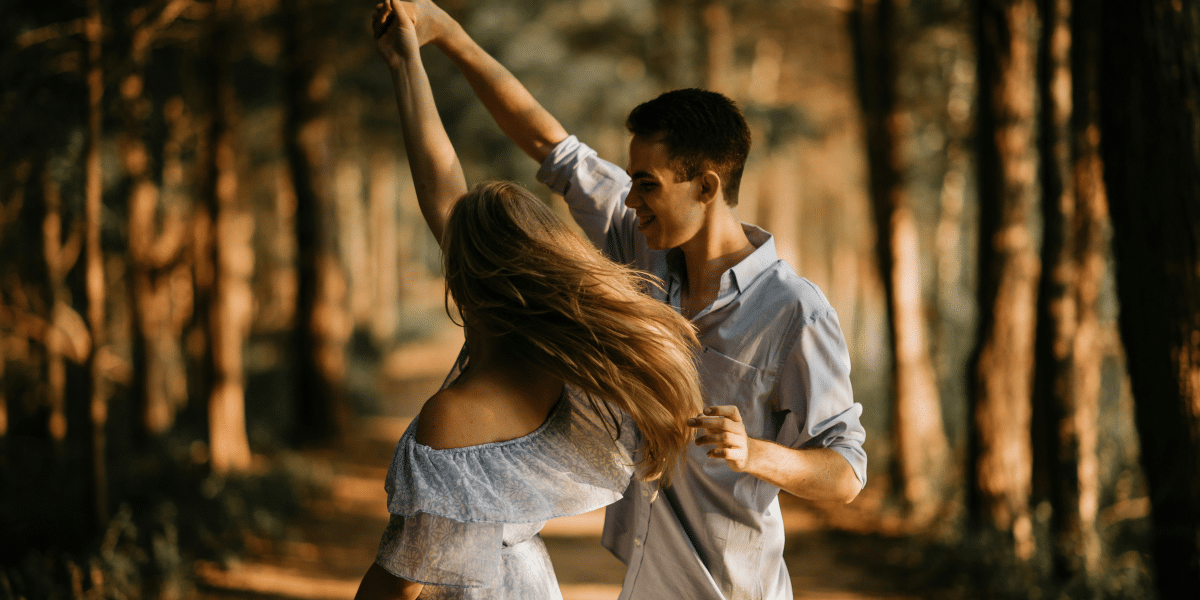
Under creaky wooden beams and the glow of string lights, couples spin across worn pine floors to the twang of a live fiddle. This is the magic of Texas dance halls—spaces where history, music, and community twirl together. For over a century, these iconic venues have preserved traditions, hosted legendary musicians, and served as the living rooms of rural towns. More than just places to dance, they’re cultural time capsules where boots shuffle to rhythms passed down through generations.
Texas dance halls trace their roots to the 1800s, when German, Czech, and Polish immigrants built gathering spaces for weddings, festivals, and social clubs. Towns like Fredericksburg, Gruene, and Schulenburg became home to halls with names like Anhalt Hall and Schroeder Hall, where accordion-driven polkas met fiddle tunes under vaulted ceilings. Over time, these European traditions blended with cowboy culture, giving birth to the Texas two-step and Western swing. Today, many original halls still stand, their floors smoothed by decades of dancing feet.
Architecture plays a starring role. Classic halls share key features: spring-loaded wooden floors that cushion dancers’ steps, high ceilings with exposed beams for airflow, and wide porches where folks cool off between songs. The layouts prioritize community—long communal tables, simple stages that put musicians eye-level with the crowd, and no VIP sections. At Gruene Hall (Texas’ oldest continually operating dance hall), the tin roof rattles with rain during shows, adding its own percussion to the music.
Live music remains the lifeblood of these spaces. Before radio, dance halls were where folks heard the latest tunes. Legends like Bob Wills, George Strait, and Willie Nelson honed their craft in halls like Luckenbach Dancehall and Floresville Auditorium. The relationship between artist and audience stays intimate—fans dance arm’s-length from the band, and requests are shouted over the fiddle breaks. Many halls still host “play for the door” nights, ensuring up-and-comers get stage time.
Dance traditions bind generations. Grandparents teach grandkids the Cotton-Eyed Joe between songs. Teenagers blush through their first two-step at Saturday night socials. Line dances like the Electric Slide and Boot Scootin’ Boogie turn strangers into a synchronized crowd. The etiquette is unspoken but sacred: no drinks on the dance floor, hats tipped to ask for a dance, and a firm “thank you” when the song ends.
Community survival defines these halls’ modern stories. As rural populations dwindled, many halls faced closure. Grassroots efforts now preserve them as nonprofits or event venues. Twin Sisters Hall near Blanco hosts monthly dances where third-gen ranchers two-step beside Austin day-trippers. Broken Spoke in Austin, surrounded by high-rises, still packs crowds for chicken-fried steak and live Western swing. These places adapt without losing soul—adding craft beer taps but keeping the $5 cover charge, or hosting yoga classes by morning to fund weekend dances.
Food and drink stick to tradition. BYOB policies are common, with ice tubs for beer and flasks passed discreetly. Concession stands serve Frito pies, sausage wraps, and slices of sheet cake. At Albert Dance Hall in Stonewall, smokers gather under ancient oaks, swapping stories between sets. The menus never go gourmet—the focus stays on fueling dancers, not foodie trends.
Seasonal events anchor local calendars. Weddings in halls like Cypress Hall feature chicken dances alongside first dances. Holiday polka parties draw diaspora communities back to towns like Ennis and New Braunfels. Fundraiser dances for fire departments or school bands prove these halls remain civic engines. Even funerals sometimes end here, with mourners celebrating lives lived on the dance floor.
Challenges persist. Rising property taxes threaten family-owned halls. DJs and digital playlists tempt some owners to replace live bands. Yet the Texas Dance Hall Preservation Association fights to protect over 400 historic venues through grants and awareness campaigns. Their work ensures steel guitars still echo in places like Kendalia Halle, where the original 1903 kerosene lamps now hang beside disco balls.
Visiting a Texas dance hall requires no expertise—just willingness to try. Newcomers find patient teachers in cowboy boots eager to share steps. The dress code ranges from sequined shirts to farm chore coats, but boots are non-negotiable (sneakers stick to the floor). Requests for “any slow song” give tired feet a break, while waltzes like “Under the Double Eagle” turn floors into swirling rainbows of skirts and denim.
In an age of digital isolation, Texas dance halls offer antidotes—real connections forged through live music, shared sweat, and the occasional misstep. They remind us that culture isn’t found in museums but in spaces where history’s kept alive by the stomp of boots and the laughter of strangers becoming neighbors, one two-step at a time.