Texas isn’t just one state, it’s many. From the piney woods of East Texas to the arid stretches of the Trans-Pecos, Texas’ diverse regions are more than geographic distinctions. They’re cultural engines, economic drivers, and political influencers that shape how the state sees itself, and how the rest of the country sees Texas.
This isn’t a new phenomenon. The state’s identity has always been tied to its land. But as Texas continues to grow, in population, industry, and national influence, the role of its regions has become even more pronounced. Each area brings something different to the table, and together, they create a state that defies easy definition.
The Gulf Coast: Energy, Industry, and Resilience
The Gulf Coast is where Texas meets the world. Anchored by Houston, this region is home to the Port of Houston, one of the busiest in the nation, and a global hub for petrochemical production. But it’s not just about oil and shipping. The Gulf Coast is also a center for biomedical research, aerospace, and renewable energy innovation.
Hurricane seasons have tested the region’s infrastructure and resilience, but they’ve also spurred investment in smarter urban planning and disaster response. Cities like Galveston and Corpus Christi are balancing economic growth with environmental stewardship, a tension that defines much of Texas’ coastal identity.
The Gulf Coast also plays a major role in shaping the state’s culinary and cultural flavor. Cajun influences, Gulf seafood, and Tejano music all thrive here, contributing to the broader mosaic of Texas flavors and hidden culinary gems.
Central Texas: Innovation, Politics, and Cultural Fusion
Central Texas is where tradition meets transformation. Austin’s tech boom has turned the region into a magnet for startups, creatives, and venture capital. But it’s not just about Silicon Hills. The Hill Country surrounding Austin and San Antonio offers a slower pace, with wineries, historic towns, and a growing tourism economy.
Politically, Central Texas is a swing zone, a place where urban progressivism and rural conservatism coexist, sometimes uneasily. That tension reflects the broader identity of Texas: fiercely independent, but constantly evolving.
Culturally, Central Texas is a fusion zone. It’s where German heritage festivals meet taco trucks, and where live music spills from honky-tonks and indie venues alike. The region’s growth has sparked debates about gentrification, infrastructure, and identity, all of which are reshaping how Texas sees itself.
West Texas: Energy, Isolation, and Frontier Spirit
West Texas is vast, rugged, and unapologetically Texan. It’s where oil derricks dot the horizon, and where the Permian Basin continues to fuel both the state’s economy and its political clout. But there’s more to West Texas than black gold.
The region’s isolation has fostered a strong sense of self-reliance and community. Towns like Marfa have become cultural outposts, drawing artists and architects to the desert. Meanwhile, El Paso’s binational identity, shaped by its proximity to Ciudad Juárez, adds a layer of complexity to the region’s cultural and economic life.
West Texas also plays a key role in the state’s energy future. Wind farms stretch across the plains, and solar projects are gaining ground. The region’s wide-open spaces make it ideal for large-scale renewable development, positioning it as a player in the next chapter of Texas’ energy story.
East Texas: Tradition, Timber, and Deep Roots
East Texas is where the state’s Southern identity comes into sharpest focus. With its pine forests, gospel traditions, and small-town rhythms, this region feels more like Mississippi than Midland. But don’t mistake tradition for stagnation.
The timber industry remains a major employer, and agriculture, from poultry to peaches, continues to shape the local economy. Cities like Tyler and Longview are investing in education and healthcare, while also preserving the cultural heritage that defines the region.
East Texas is also home to some of the state’s most storied communities, where Juneteenth celebrations, blues festivals, and church homecomings are woven into the social fabric. These traditions aren’t just preserved, they’re lived.
North Texas: Growth, Grit, and Global Reach
North Texas is booming. The Dallas–Fort Worth metroplex is one of the fastest-growing regions in the country, attracting businesses, transplants, and international investment. It’s a logistics powerhouse, a financial hub, and a cultural crossroads.
The region’s growth has been driven by its infrastructure, from DFW Airport to major highway corridors, and by its ability to attract talent across industries. But with growth comes growing pains: housing affordability, traffic congestion, and questions about sustainability are all on the table.
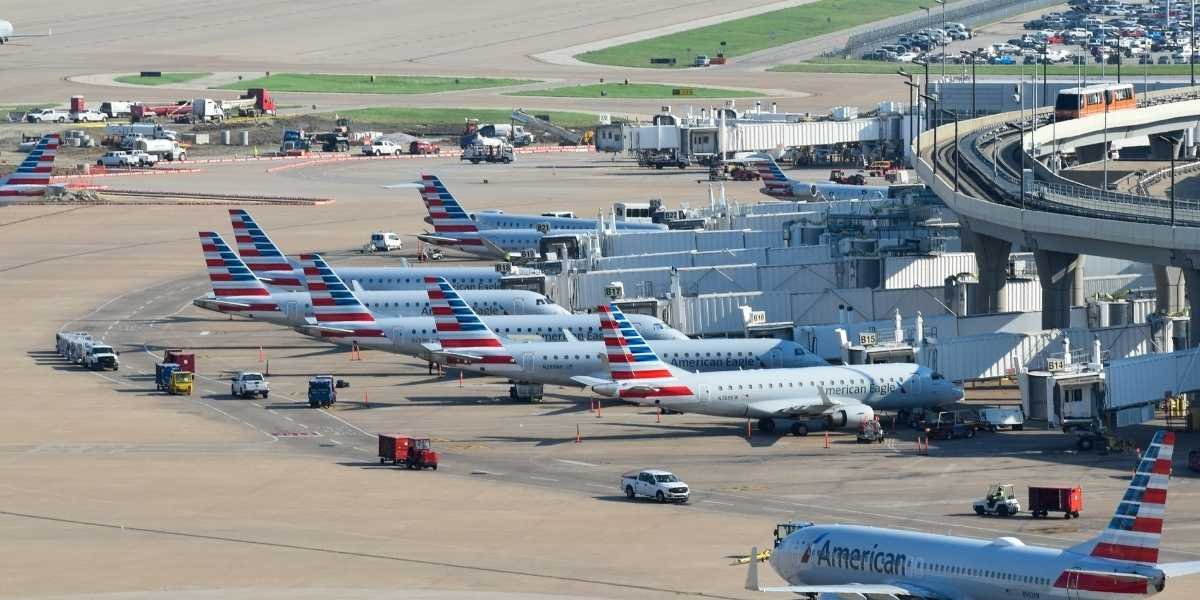
Still, North Texas continues to expand its influence. From Fort Worth’s stockyards to Dallas’ arts district, the region blends grit and gloss in a way that feels distinctly Texan. And with its central location, it serves as a gateway to the rest of the state, and the country.
South Texas: Borderlands, Bilingualism, and Economic Potential
South Texas is where cultures collide and converge. The Rio Grande Valley is one of the most bilingual regions in the U.S., and its economy is deeply tied to cross-border trade, agriculture, and healthcare.
The region has long been overlooked in statewide conversations, but that’s changing. Investment in ports, highways, and higher education is unlocking new potential. Cities like McAllen and Brownsville are becoming centers for innovation, while also preserving the cultural richness that defines the borderlands.
South Texas also offers some of the state’s most underrated travel experiences. From birding trails to hidden adventure destinations, the region is drawing attention from both tourists and Texans looking to explore their own backyard.
Texas’ diverse regions aren’t just geographic zones, they’re the building blocks of the state’s identity and growth. Each one brings its own strengths, challenges, and stories. And together, they form a Texas that’s bigger, bolder, and more complex than any single narrative can capture.