Texas EV charging infrastructure is expanding fast, and not just in major cities. From long stretches of highway to small-town parking lots, the state is laying down the groundwork for a cleaner, more connected way to travel. It’s not just about installing more plugs. It’s about building a system that works for drivers, businesses, and communities alike. That means solving real problems, planning for long-term growth, and making sure the shift to electric vehicles doesn’t leave anyone behind.
For drivers who’ve ever stared at a low battery warning while stuck between exits, the frustration is real. Charging anxiety isn’t just a buzzword, it’s a barrier. Expanding EV charging stations across Texas is one way to ease that pressure, but it’s also a chance to rethink how energy is delivered and used.
Why Texas Needs a Broader EV Charging Network
Texas covers a lot of ground. Long drives aren’t just common, they’re part of daily life. That makes EV charging infrastructure more than a convenience. It’s a necessity. Without reliable access to charging stations, electric vehicles can feel like a risky choice, especially for those outside major metro areas.
The state’s energy mix is also shifting. More solar and wind power is coming online, and EVs offer a way to use that clean energy more efficiently. But without the right infrastructure, those benefits stay locked up. That’s why expanding EV charging stations in Texas isn’t just about transportation. It’s about making green energy practical and accessible.
Some areas are already seeing progress. Highways are getting fast chargers, and cities are adding public stations near shopping centers and office buildings. But gaps remain, especially in rural regions. That’s where long-term planning comes in. It’s not enough to install a few chargers and call it done. The system has to grow with demand, adapt to new technology, and stay reliable.
Designing EV Charging Infrastructure for Real-World Use
Building a network that actually works means thinking about more than just location. Speed matters. Drivers don’t want to wait an hour to top off their battery. That’s why fast-charging stations are becoming more common. But they also use more power, which means the grid has to be ready to handle it.
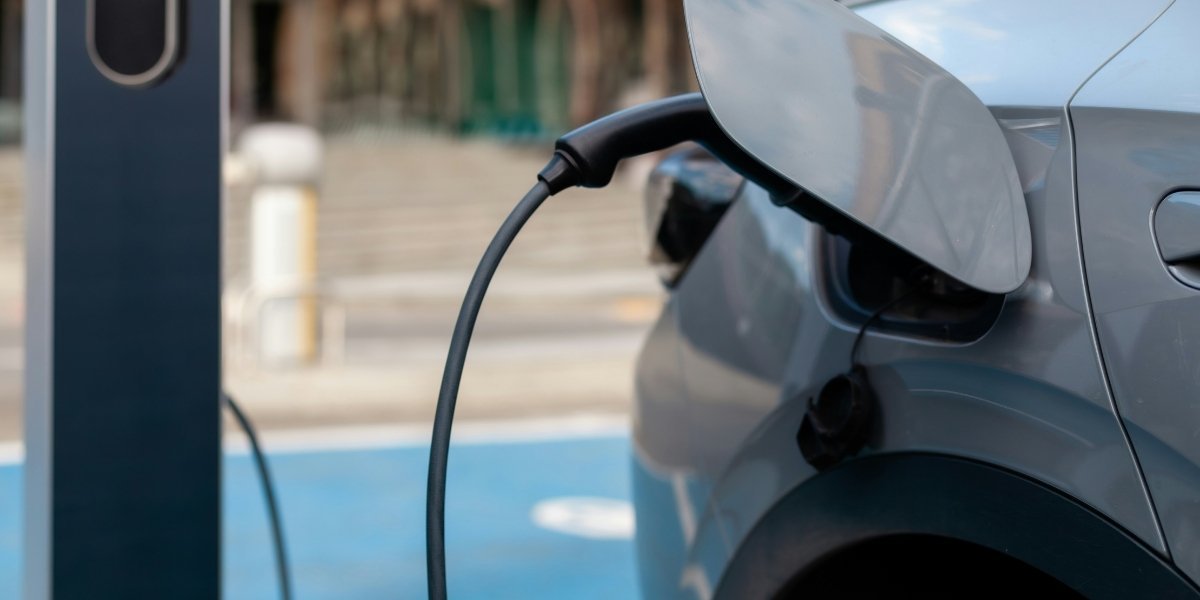
Then there’s the question of access. Not everyone lives in a house with a garage. Apartment dwellers, renters, and people in older neighborhoods need public charging options that are safe, affordable, and easy to use. That’s where partnerships between cities, utilities, and private companies come into play. It’s not just about installing hardware, it’s about making sure it fits into everyday life.
Some Texas smart cities are already experimenting with ways to integrate EV charging into broader urban planning. A few are using data to predict where chargers are needed most, while others are testing curbside stations that blend into existing infrastructure. These efforts show how EV charging can be part of a bigger picture, not just an add-on.
Balancing Green Energy Goals with Practical Challenges
Texas has plenty of renewable energy potential, but turning that into a reliable EV charging network takes work. Solar panels and wind turbines don’t always produce power when it’s needed most. That means storage and smart grid technology have to be part of the plan.
Battery storage systems can help smooth out supply and demand, making sure chargers stay powered even during peak hours. Smart grids can shift energy use to off-peak times, reducing strain and lowering costs. These tools aren’t flashy, but they’re essential for making green energy work in practice.
There’s also the issue of cost. Installing fast chargers isn’t cheap, and maintaining them takes ongoing investment. Some areas may struggle to fund these projects, especially if demand is still low. That’s why long-term planning matters. It’s not just about building for today, it’s about setting up a system that can grow and adapt.
EV charging infrastructure also intersects with other trends, like the growth of e-bikes and micromobility. As more people look for alternatives to traditional cars, cities are rethinking how streets and energy systems work together. That shift adds complexity, but it also opens up new possibilities for cleaner, more flexible transportation.
How Texas Can Lead in EV Charging Infrastructure
Texas has the size, resources, and energy expertise to build a charging network that sets a national example. But doing that means staying focused on what works. That includes listening to drivers, testing new ideas, and making sure every part of the system, from the grid to the charger, is built to last.
Some areas are already showing what’s possible. By combining renewable energy with smart planning, they’re creating charging stations that are fast, reliable, and easy to find. Others are experimenting with mobile chargers, solar-powered units, and integrated payment systems. These efforts aren’t perfect, but they show how innovation can solve real problems.
The expansion of EV charging infrastructure in Texas isn’t just about technology. It’s about making green energy part of everyday life. That means thinking about how people actually drive, where they live, and what they need to feel confident switching to electric. It also means recognizing that change takes time, and that frustration is part of the process.
For those who’ve struggled to find a charger or waited too long for a full battery, the promise of a better system can feel distant. But each new station, each upgrade to the grid, brings that vision a little closer. Texas isn’t just building chargers, it’s building trust in a cleaner, more connected way to travel.
Looking Ahead Without Overpromising
EV charging infrastructure in Texas is expanding, but it’s not a straight line. There are setbacks, delays, and tough decisions. Still, the long-term vision is clear. By connecting green energy with practical solutions, the state is laying the foundation for a system that works for everyone.
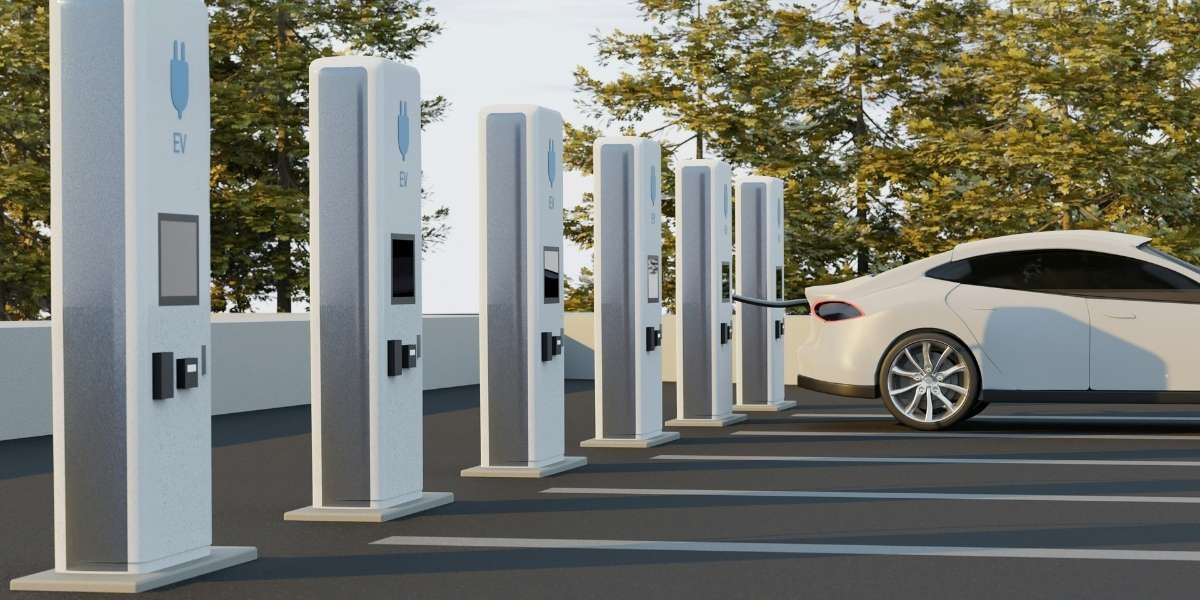
That means more than just adding plugs. It means designing stations that fit into daily routines, powering them with clean energy, and making sure they’re ready for whatever comes next. Whether it’s a long highway drive or a quick stop in town, the goal is the same: reliable, accessible charging that supports a cleaner way to move.
Texas EV charging infrastructure isn’t just a technical project. It’s a shift in how energy and transportation connect. And while the road ahead may be uneven, the direction is set. With smart planning and steady investment, Texas is shaping a system that reflects both its size and its ambition.