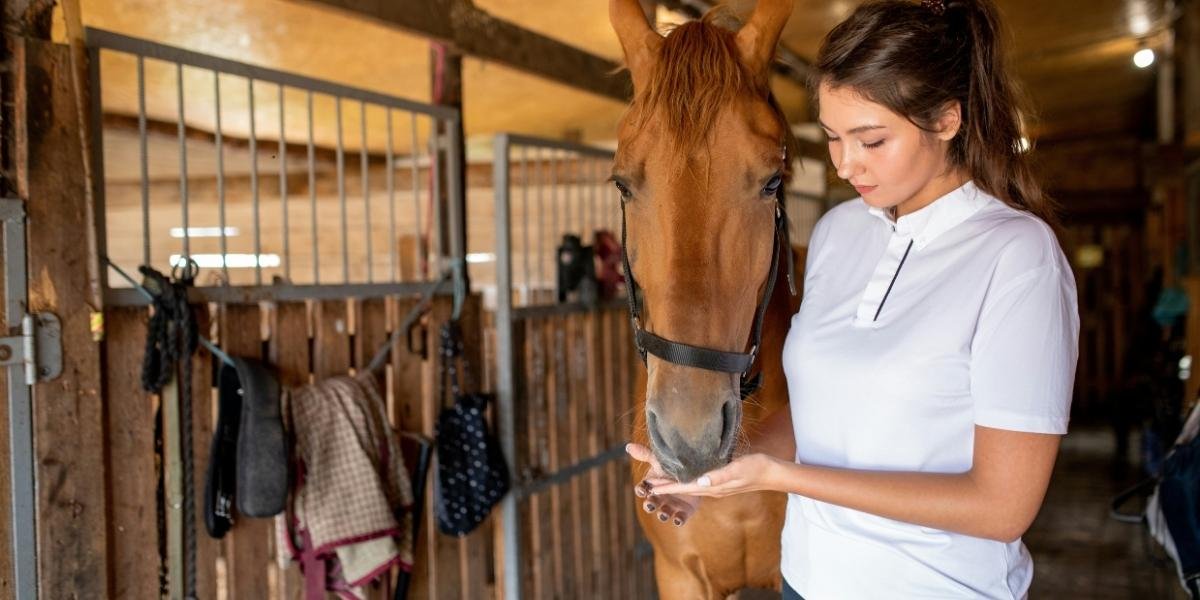
Texas officials have confirmed an outbreak of Equine Herpesvirus Type 1 (EHV-1), a highly contagious virus affecting horses and capable of progressing into the neurological condition known as equine herpes myeloencephalopathy (EHM). The situation came to light shortly after major equestrian and rodeo events earlier in the month, leading to immediate closures of arenas and the cancellation of several horse-related activities across multiple regions. State agencies noted that the neurological form of the virus can be serious and may result in severe symptoms, prompting a swift response.
The outbreak traces back to horses that attended major events in Waco. According to updates from the Texas Animal Health Commission, several horses tested positive following the WPRA World Finals & Elite Barrel Race in Waco. Additional coverage from local Texas outlets has confirmed that multiple venues have enacted temporary closures, cleaning protocols, or event pauses to help limit further spread.
The sudden emergence of the virus has disrupted the rhythm of Texas rodeo life, where horses are central not only to competition but also to community gatherings, seasonal events, and long-standing equestrian traditions. Closures in Waco and Fort Worth, along with event cancellations in other counties, have prompted organizers and participants to reassess upcoming schedules, travel plans, and livestock handling protocols.
For many in Texas, the rodeo season isn’t just an activity, it is a dependable cycle that shapes local calendars and community engagement. With the virus prompting unexpected shutdowns, many are now navigating uncertainty as they wait for further guidance.
Emergency Closures and Statewide Health Alerts
Authorities acted quickly once the first positive cases were confirmed. Statewide alerts were issued urging all horse owners, trainers, and event organizers to closely monitor their animals for signs of illness and to enforce enhanced biosecurity measures. Movement of horses from affected regions has been strongly discouraged, and several events have been paused out of caution.
In Fort Worth, the well-known twice-daily cattle drives at the Stockyards were temporarily halted while officials reviewed exposure risks and implemented preventive steps. In Bastrop, the Mayfest Park Rodeo Arena announced a temporary closure until cleaning protocols could be completed. Waco-area equestrian facilities have also paused activities or adopted stricter access guidelines to safeguard horses on-site.
While these closures vary in duration and severity, they reflect a consistent effort to minimize potential transmission. EHV-1 spreads readily through close contact, shared equipment, stalled environments, contaminated clothing, and even aerosolized particles in confined spaces. Because horses may appear normal in early stages of infection, the virus can circulate before symptoms become fully visible, increasing the need for conservative measures.
The Texas Animal Health Commission has confirmed multiple cases linked to horses that attended the Waco barrel race event. These horses displayed symptoms ranging from fever to mild ataxia, with some progressing into neurological distress. As officials worked to trace contacts and possible exposures, a growing number of equestrian gatherings chose to pause operations voluntarily.
For horse owners, trainers, and competitors, these closures have created significant logistical hurdles. Events planned months in advance are on hold. Boarding facilities are imposing new rules. Transport schedules have been disrupted. In a state where equestrian culture runs deep, the sudden standstill has left many searching for clarity and stability.
Understanding the Virus and Its Risks
Though EHV-1 has long been recognized in equine medicine, outbreaks involving its neurological form require heightened caution. The virus can cause fever, respiratory difficulty, lethargy, and in severe cases, neurological impairment that may include weakness or difficulty standing. Because symptoms can escalate unexpectedly, early detection is not always straightforward.
Veterinarians emphasize that rigorous prevention practices are essential. These include isolating any horse that has attended a high-risk event, disinfecting tack and shared equipment, and conducting daily temperature checks. While widely available vaccines may assist in reducing severity for some strains, they do not fully protect against EHM, which is why horse owners are strongly encouraged to rely on comprehensive biosecurity measures rather than expecting complete protection from vaccination alone.
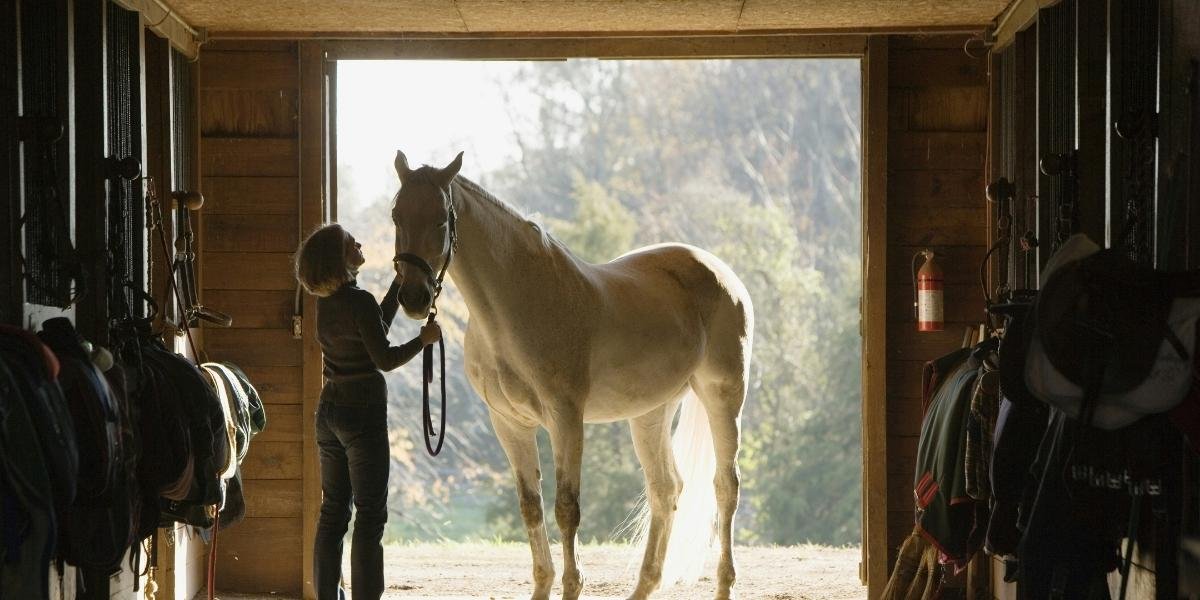
This outbreak underscores the challenges of managing contagious diseases in environments where animals gather in large numbers. Rodeos, barrel races, and equestrian shows naturally involve extensive contact, between horses, between riders, and across shared environments like stalls, arenas, and holding areas. A single event can bring together horses from across the state, increasing the likelihood of unforeseen exposure.
Because horses may travel from event to event within a short timeframe, containment requires quick communication between owners, trainers, veterinarians, and facility managers. Many Texas equestrian organizations have begun offering updates to their members, while others have opted to cancel or postpone their seasons entirely until they receive additional guidance.
Economic and Community Ripple Effects Across Texas
The impact of the outbreak extends beyond biosecurity concerns. Rodeo weekends, riding clinics, barrel races, and equestrian festivals play a notable role in supporting local economies. Vendors rely on foot traffic, trainers depend on competitions for revenue, and small towns benefit from tourism linked to regular equestrian events.
Event cancellations have prompted concerns about seasonal income loss, particularly for small businesses that rely heavily on these gatherings. Meanwhile, community members who attend these events annually now find their schedules unexpectedly vacant. The absence of arena lights, grandstand crowds, and the familiar cadence of weekend competitions has been deeply felt.
Still, many within the equestrian community have expressed understanding and patience, noting that the pause is part of a larger effort to protect the well-being of horses across the state. For long-time participants, the closures are a reminder of how interconnected horses, owners, veterinarians, and organizers are within this ecosystem.
As more information emerges, and as facilities complete disinfection protocols, some communities are already discussing how future events might adapt. These conversations revolve around strengthening preventive steps, such as enforcing stricter stall management, temperature logs, and mandatory reporting of any concerning symptoms. While there is no consensus on long-term changes yet, the outbreak has sparked constructive dialogue on how to protect animals while supporting the continuity of events that mean so much to local towns.
What Comes Next for Texas Horse Owners and Event Organizers
With new cases still being monitored, several questions remain at the center of statewide discussions. Horse owners are looking for updated guidance on how long closures may last. Event organizers want clarity on when it may be safe to resume competitions. Boarding facilities are refining their health protocols, aiming to reduce risk without causing undue strain on owners.
Officials continue to track cases linked to the initial Waco event while evaluating potential exposures in other regions. While emphasis remains on containment, many within the equestrian community are also focused on how this event may shape future planning. Will stricter biosecurity measures become a permanent fixture? Will event organizers adopt new entry protocols or require proof of temperature logs? The answers remain uncertain.
What is clear is that the recent outbreak has prompted horse owners and communities to closely examine existing practices. The pause in scheduled events has created room for reflection, leading many to think carefully about how to better protect horses during periods of heightened viral risk.
As Texas continues to navigate this developing situation, one shared priority stands out: keeping horses safe while supporting the people, events, and traditions that rely on them. The conversations unfolding across the state reflect an effort to balance caution with optimism, aiming to restore stability without overlooking the lessons learned from this unexpected disruption.