Job growth in Texas is getting a serious jolt from the oil and gas sector, and it’s not just a rebound, it’s a full-blown resurgence. From the Permian Basin to the Gulf Coast, rigs are spinning, refineries are expanding, and companies are hiring at a pace not seen in years. The Lone Star State’s energy backbone is flexing hard, and the numbers prove it.
According to recent labor data, Texas added more than 2,500 upstream oil and gas jobs in January 2025 alone. That brings the total to over 46,000 new positions since the industry’s pandemic-era low point. These aren’t just jobs, they’re high-paying, career-building roles that are putting Texans back to work and fueling local economies from Midland to Corpus Christi.
Where the Job Growth Is Hitting Hardest
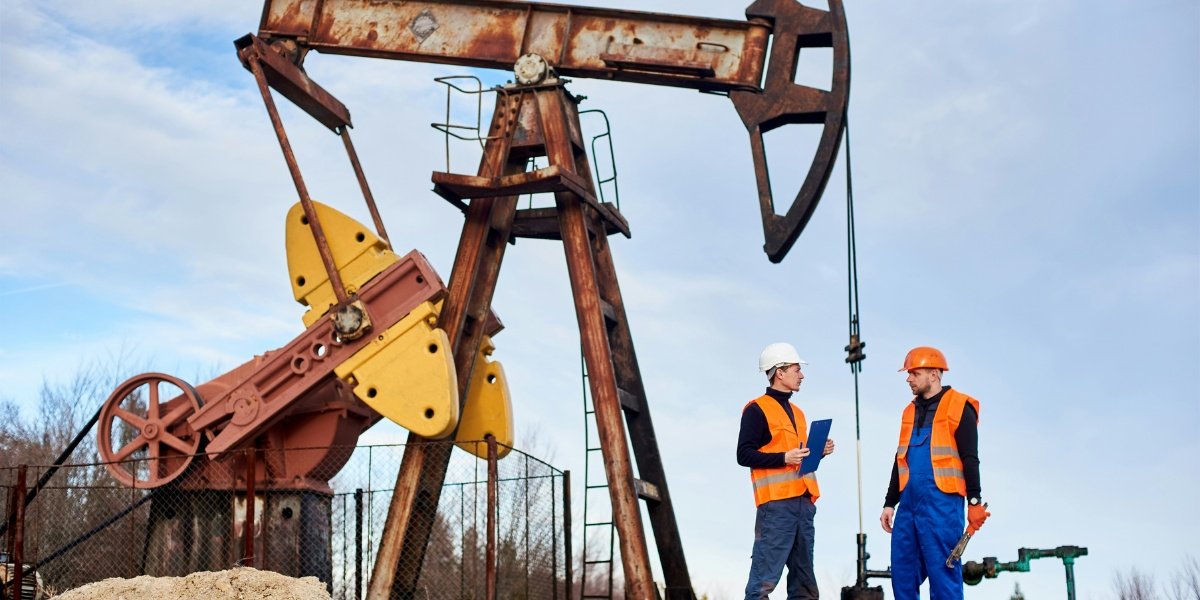
The Permian Basin is leading the charge. Midland and Odessa are seeing a spike in demand for rig operators, welders, geologists, and field engineers. Job boards are packed with listings offering six-figure salaries, housing stipends, and signing bonuses. Service companies are expanding crews, and independent operators are scaling up fast to meet production targets.
Further south, the Gulf Coast is experiencing its own hiring boom. Refineries in Corpus Christi and petrochemical plants near Houston are onboarding workers for long-term infrastructure projects and export operations. These aren’t temp gigs, they’re multi-year contracts tied to global demand and Texas’ growing role in energy exports.
Even smaller shale plays like Eagle Ford and Haynesville are seeing renewed investment, thanks in part to improved infrastructure and favorable market conditions. That means more jobs in trucking, logistics, safety, and environmental compliance, all critical to keeping operations running smoothly.
Why This Boom Matters for Texas
This wave of job growth couldn’t come at a better time. While other industries are grappling with automation and workforce displacement, Texas oil and gas is doubling down on skilled labor. The average salary in upstream roles now tops $128,000, nearly double the state’s median income. That’s life-changing money for families, especially in rural and working-class communities.
And the impact doesn’t stop at the job site. Every new hire fuels demand for housing, restaurants, retail, and transportation. Towns like Pecos, Andrews, and Beeville are seeing a surge in economic activity, with local businesses benefiting from the influx of workers and their families.
While some sectors are navigating the uncertainty of AI-driven job displacement, the energy sector is proving that human expertise still matters. From safety supervisors to pipeline inspectors, these roles require hands-on experience, quick thinking, and a deep understanding of the land, qualities that can’t be automated.
Infrastructure Is Fueling the Fire
One major reason for this job growth is Texas’ aggressive investment in infrastructure. New pipelines, expanded ports, and upgraded highways are making it easier to move product and people across the state. These improvements are unlocking new drilling zones and reducing bottlenecks that once slowed production.
Recent infrastructure investments have also made it more cost-effective for companies to operate in remote areas. That’s opened up opportunities in regions that were previously too expensive or logistically difficult to develop. Now, with better roads and faster transport, companies are hiring locally and building long-term operations.
State policy has played a role, too. Texas lawmakers have maintained a business-friendly environment that encourages energy development while balancing environmental oversight. That stability gives companies the confidence to invest, and hire, for the long haul.
The Human Side of the Boom
Behind every job stat is a story. A former oilfield worker in West Texas who returned to the industry after years in retail. A single mom in Houston who landed a logistics role with a pipeline company and now trains others. A veteran in San Angelo who transitioned from military service to a safety supervisor role on a drilling site.
These are the kinds of stories that define Texas grit, and they’re playing out every day across the state. The oil and gas industry isn’t just hiring; it’s offering careers with purpose, stability, and pride.
Many companies are also investing in workforce development. Apprenticeship programs, on-the-job training, and partnerships with community colleges are helping Texans upskill and move into higher-paying roles. It’s not just about filling positions, it’s about building a pipeline of talent for the future.
What’s Next for Texas Energy Jobs
The outlook for job growth in Texas oil and gas remains strong. Global demand for natural gas is rising, and Texas is well-positioned to meet it. LNG terminals along the Gulf Coast are expanding, and new export deals are driving investment in both upstream and midstream operations.
Technology is also playing a role, but not in the way some might expect. While automation is being used to improve safety and efficiency, it’s not replacing workers. Instead, it’s creating new roles in data analysis, remote operations, and equipment monitoring. The industry is evolving, but it’s still rooted in people.
As Texas continues to diversify its energy portfolio, including wind, solar, and nuclear, oil and gas remains the backbone. And with job growth surging, that backbone is stronger than ever.
Texas Is Hiring, and It’s Just Getting Started
The Texas oil and gas industry is back in a big way, and it’s bringing jobs with it. From the dusty roads of the Permian to the refineries of the Gulf, companies are hiring, communities are growing, and the state’s economy is surging forward.
This isn’t just a win for the energy sector, it’s a win for Texas. And with the right investments, policies, and people in place, the best may be yet to come.