Across Texas, a quiet yet powerful shift is taking place. From the bustling streets of Dallas to the tranquil corners of Hill Country, more residents are opting to slow down, prioritize comfort, and embrace what’s known as the “soft life.” This lifestyle movement isn’t about abandoning ambition or work ethic; rather, it’s about redefining success to include rest, mindfulness, and personal well-being.
The soft life promotes ease, emotional wellness, and intentional living. It encourages a balance between productivity and relaxation, offering a fresh take on how Texans live and work. It’s about finding joy in simplicity, comfort over chaos, and balance over burnout.
Unlike traditional success, which often glorifies relentless hustle, the soft life emphasizes creating routines that feel fulfilling. It’s not about avoiding work, but aligning work with personal values. Whether it’s working remotely from a cozy office or enjoying midday walks, the soft life creates space for both productivity and peace.
Texas Puts Its Own Spin on the Trend
Texas has long been known for its strong work ethic, but the state also holds a deep appreciation for leisure. The soft life trend blends these two values in exciting new ways. In Austin, tech professionals are trading long commutes for flexible schedules and enjoying backyard yoga. In San Antonio, small business owners are designing workspaces that feel more like living rooms than offices, prioritizing comfort and creativity.
Even the state’s ranchers and farmers are incorporating soft life principles. Some are adopting regenerative farming techniques, focusing on sustainability while reducing physical strain. Others are carving out time for personal hobbies like painting, journaling, or simply relaxing with a cup of coffee on the porch.
This combination of a hard work ethic and an appreciation for rest reflects the evolving lifestyle in Texas, where people are seeking ways to balance their careers and personal lives while staying connected to their roots.
Creating Comfort at Home
One of the main tenets of the soft life is creating a home environment that fosters comfort and well-being. Texans are increasingly investing in cozy furniture, soothing color palettes, and spaces that reflect their identity. For many, it’s not just about aesthetics; it’s about creating a sanctuary for emotional comfort and peace.
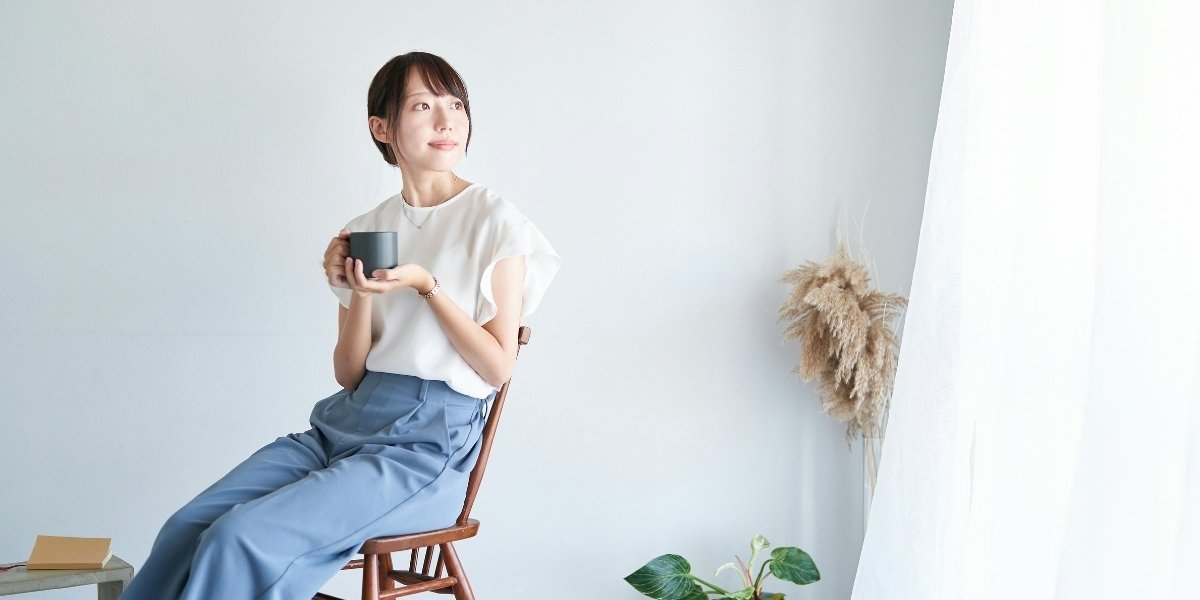
Designing a home that supports relaxation starts with personalizing the space. Whether it’s adding plants, rearranging furniture, or curating art that brings joy, Texans are transforming their homes into places where they can unwind and recharge. This approach emphasizes emotional wellness and the importance of a home that feels like an extension of oneself.
By creating a home that encourages relaxation, residents are able to nurture mental clarity and emotional well-being, aligning with the principles of the soft life. It’s about designing a space that feels safe, soothing, and deeply personal.
Mindfulness and Breathwork: Tools for Clarity
The soft life also encourages mindfulness and emotional regulation. Texans are turning to mindfulness practices like meditation, journaling, and breathwork to stay grounded in their busy lives. These tools help reduce stress, improve focus, and foster a sense of inner calm.
Breathwork, in particular, has gained popularity due to its simplicity, accessibility, and effectiveness. Whether it’s during a commute or after a long day at work, intentional breathing can quickly shift a person’s mood and energy. Understanding the impact of breath on the body and mind is a central component of this practice.
Across Texas, communities are embracing these practices. Some cities are hosting breathwork circles and guided meditation events in local parks, offering opportunities for people to come together, reset, and share the soft life experience. These gatherings provide a supportive environment where individuals can focus on personal well-being and collective mindfulness.
Redefining Work-Life Balance in Texas
The soft life is not about rejecting ambition—it’s about reframing it. Texans are learning that rest is not a reward for hard work but an essential part of the process. More employers are embracing flexible work schedules, mental health days, and remote work options to help their employees achieve a healthy balance.
In Houston, a marketing agency shifted to a four-day workweek after recognizing the signs of burnout among its staff. This adjustment resulted in higher productivity, better morale, and fewer sick days. Employees reported feeling more energized, creative, and motivated, with more time to pursue personal passions outside of work.
Freelancers and entrepreneurs are also embracing the soft life by creating schedules that respect their natural rhythms. Some work in short bursts, followed by long breaks. Others schedule “slow mornings” with no meetings before 10 a.m. The key to success is customization—finding what works best for each individual and sticking to it.
Building Community and Connection
Living the soft life doesn’t mean isolating oneself. In fact, community plays a crucial role. Texans are gathering in new ways, from book clubs and walking groups to creative workshops, to share experiences and support each other’s well-being. This shift toward connection is a natural extension of the soft life’s emphasis on intentional living.
Local businesses are responding by creating spaces designed for relaxation and social interaction. Cafés with quiet corners, boutiques offering wellness products, and coworking spaces featuring nap pods are popping up throughout Texas. These environments reflect a growing desire for balance and connection in daily life.
In Fort Worth, a community center launched a monthly “soft life social” event, where residents can enjoy guided journaling, herbal teas, and acoustic music. It’s a gentle reminder that slowing down can be a shared experience, strengthening community bonds while prioritizing well-being.
Overcoming Challenges and Misconceptions
While embracing the soft life brings many benefits, it is not without challenges. Some Texans worry that embracing this lifestyle means giving up ambition or becoming complacent. Others struggle to set boundaries in a culture that still values the hustle.
However, the soft life is not about doing less; it’s about doing what matters most. It’s about choosing rest without guilt, saying no without fear, and building a life that aligns with personal values. Texans are discovering that softness is strength. It takes courage to slow down, prioritize joy, and live with intention.
As more people adopt the soft life, the culture in Texas is beginning to shift. The movement is gaining momentum, offering a new perspective on how to live well and find balance in a fast-paced world.