Black Bears Texas are making a notable return to parts of the state after nearly disappearing for decades due to hunting, habitat loss, and other human activities. As populations begin to rebound, sightings are becoming more frequent, especially in areas like West Texas and Big Bend. While this return is welcomed by some as a sign of ecological recovery, it presents new challenges for local communities that must adapt to the changing presence of wildlife in their towns.
The Return of Black Bears to Texas: An Ecological Shift
For much of the 20th century, black bears were considered virtually extinct in Texas due to aggressive hunting, habitat loss, and government-sanctioned predator control programs. Once ranging freely across vast areas of the state, their population dwindled to the point where sightings became rare. Despite occasional reports of lone individuals, Texas was largely bear-free for decades, and the state’s wilderness was no longer home to these iconic creatures.
However, in recent years, black bears have begun to return to Texas in a gradual and notable resurgence. This comeback can largely be attributed to conservation efforts, reduced hunting pressures, and natural migration from neighboring regions, such as New Mexico and Mexico, where bear populations remain more stable. In particular, areas like West Texas, including Big Bend National Park, have seen increasing bear activity, with more sightings and evidence of bears establishing territories in the region.
Researchers from Texas Parks and Wildlife Department (TPWD) have been monitoring these developments closely. While the resurgence is encouraging, the bear populations are still small, and their expansion is limited to certain areas. This limited return suggests that while black bears are slowly making a comeback, they are not yet fully re-establishing themselves across their historic range. More data is needed to understand the long-term viability of these populations, which will require continued research and monitoring.
Where Black Bears Are Reappearing in Texas
The return of black bears to Texas is most visible in the West Texas region, especially around Big Bend and the surrounding mountainous areas. These landscapes offer the dense vegetation, remote terrain, and food sources that black bears thrive in. The Big Bend area, in particular, has provided a refuge for many species, making it an ideal place for black bears to make their return.
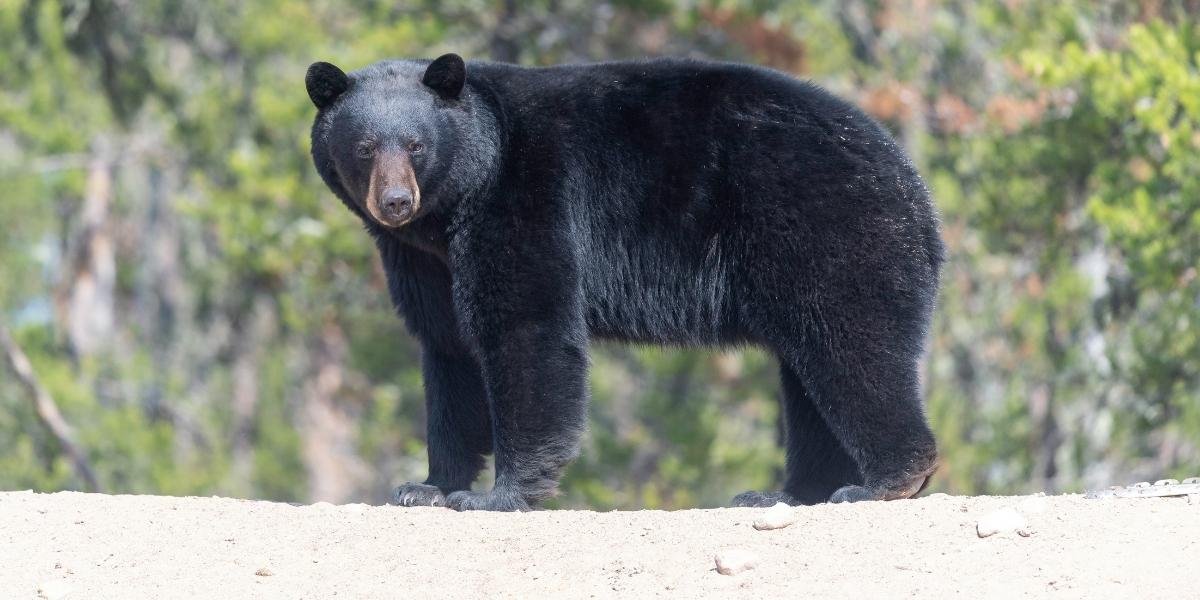
What is interesting, however, is the gradual expansion of bear sightings to areas previously not known to host black bear populations. In recent years, reports have surfaced of black bears being spotted in parts of East Texas, such as along the edges of the Piney Woods. These areas were once considered far too far east for black bears to live, given their historic range. However, young male bears, often the first to venture out of established territories in search of new habitats, have begun to show up in these areas.
Despite these exciting reports, it’s important to note that these sightings do not necessarily mean that black bears are establishing breeding populations in East Texas. Many of these bears are likely passing through in search of food, territory, or mates. Researchers from TPWD continue to track bear movements, and while the presence of bears in new regions is significant, it’s unclear whether these animals will settle in these areas long-term or if they will continue moving.
Human-Bear Interactions: How Texas Communities Are Adapting
With the return of black bears to Texas, local communities are facing new challenges in managing human-bear interactions. As bears venture further into human-populated areas, residents and local authorities are working to ensure that both humans and wildlife can coexist peacefully. The frequency of bear sightings is increasing, with some bears coming closer to residential areas in search of food, making safety a key concern for many towns near bear habitats.
To mitigate the risks posed by black bears, communities are taking proactive measures. In towns near known bear habitats, residents have been advised to secure their food sources, including using bear-proof trash cans, storing pet food indoors, and removing outdoor bird feeders. These steps are essential in preventing bears from being attracted to human-populated areas, which can lead to dangerous encounters.
Local government agencies, including TPWD, have been working to educate residents about safe practices for living near black bears. This includes informing them about what to do if they encounter a bear, how to keep their property secure, and why it’s important not to feed the bears. Alongside these educational efforts, some communities have invested in bear-proof infrastructure, such as wildlife-proof fencing around livestock and gardens, to prevent bears from accessing food sources.
While rural communities have been the most proactive, the question of how suburban and urban areas should adapt remains unresolved. As bears continue to expand their range, should cities near bear habitats implement stricter measures? Or is there a way to allow people and wildlife to coexist while keeping safety a priority? These are important questions that will shape the future of human-wildlife interactions in Texas.
Benefits and Challenges of a Growing Bear Population
As black bear populations grow and spread throughout Texas, there are both economic opportunities and challenges for local communities. One of the primary benefits of having black bears in the state is the potential for eco-tourism. Areas like Big Bend, with its breathtaking landscapes and burgeoning bear population, are already attracting wildlife enthusiasts, photographers, and tourists interested in seeing bears in their natural habitat. The presence of these animals could provide a boost to the local economy, with businesses offering guided wildlife tours, nature hikes, and educational programs about bear conservation.
Additionally, the economic impact of bears on local tourism could extend to nearby communities, as visitors spend money on accommodations, food, and recreational activities. Nature-based tourism could grow as more people seek to experience Texas’s wildlife firsthand, and communities may see new economic opportunities emerging as a result of the bears’ return.
However, the presence of black bears also poses significant challenges, particularly for industries like ranching and farming. Bears are opportunistic feeders and have been known to scavenge for food, which could lead to property damage and, in some cases, harm to livestock. For ranchers, the potential risk of bears attacking cattle or destroying property is a real concern. Farmers, too, may face crop damage or disruptions in their operations due to bears foraging in their fields.
For now, the overall economic impact remains uncertain. While the potential for eco-tourism is significant, the negative effects on agriculture and livestock are also considerable. The long-term economic consequences will depend on how local communities manage these risks and whether bear-related tourism can offset the costs associated with living alongside bears.
What Texas Needs to Address
As black bears continue to re-establish their presence in Texas, careful planning will be essential to ensure that both humans and bears can coexist sustainably. The state must prioritize research to determine the long-term viability of bear populations and identify key areas where habitat corridors can be established to help bears move safely across the landscape.
As communities expand and bear populations grow, it will be necessary to develop more effective strategies for preventing human-bear conflicts. This includes ensuring that public infrastructure, such as roads, housing, and agricultural lands, is developed with wildlife corridors in mind. It also requires investing in more bear-proof infrastructure, from trash cans to fencing, to keep bears out of populated areas.
Wildlife experts also advocate for ongoing public education campaigns that teach residents about the importance of not feeding bears and how to keep their properties secure. With more awareness and proactive planning, Texas can minimize the risks of human-bear encounters and help foster a positive relationship between people and wildlife.
The future of black bears in Texas will depend on how well the state can balance conservation efforts with the needs of its residents. With the right approach, black bears can become a symbol of ecological resilience, and Texas can set an example for other states experiencing similar wildlife recoveries.