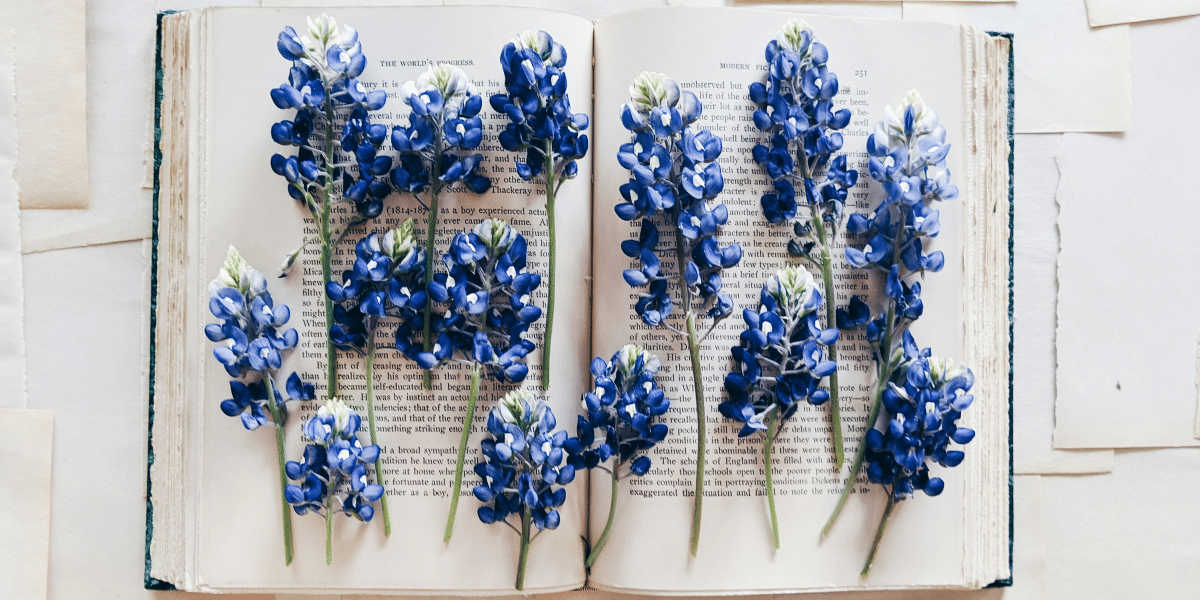
Every spring, Texas transforms into a breathtaking canvas of color as wildflowers bloom across the state. From vibrant bluebonnets to fiery Indian paintbrushes, these flowers create a natural spectacle that draws visitors from near and far. The annual wildflower season is not just a visual treat; it’s a celebration of Texas’s natural beauty and ecological diversity. This article will explore the magic of Texas wildflowers, their significance, and how you can enjoy this seasonal wonder.
The tradition of wildflowers blooming in Texas is deeply rooted in the state’s history and climate. The mild winters and early spring rains create the perfect conditions for wildflowers to thrive. Among the most iconic is the bluebonnet, the state flower of Texas. These blue-and-white blooms blanket fields and highways, creating a sea of color that has become synonymous with Texas springtime. Alongside bluebonnets, you’ll find a variety of other wildflowers, including Indian paintbrushes, black-eyed Susans, and buttercups, each adding its own unique hue to the landscape.
One of the best places to experience Texas wildflowers is along the Texas Hill Country roads. Scenic drives like the Willow City Loop and the Wildflower Trail offer stunning views of flower-covered fields and rolling hills. These routes are especially popular during peak bloom season, which typically occurs from March to May. Driving through these areas feels like entering a living painting, with bursts of color stretching as far as the eye can see. It’s no wonder that photographers, nature lovers, and families flock to these spots to capture the beauty of the season.
But wildflowers aren’t just a feast for the eyes; they play an important role in the ecosystem. They provide food and habitat for pollinators like bees, butterflies, and hummingbirds. These creatures, in turn, help pollinate crops and other plants, supporting the broader environment. Wildflowers also help prevent soil erosion and improve soil health by adding nutrients. In this way, they contribute to the overall health of Texas’s landscapes.
The abundance of wildflowers in Texas is no accident. It’s the result of careful planning and conservation efforts. Organizations like the Lady Bird Johnson Wildflower Center in Austin are dedicated to preserving and promoting native plants. Founded by former First Lady Lady Bird Johnson, the center conducts research, educates the public, and works to restore natural habitats. Its gardens showcase a wide variety of Texas wildflowers, making it a must-visit destination for anyone interested in these beautiful plants.
Another way to enjoy Texas wildflowers is by visiting state parks and natural areas. Places like Enchanted Rock State Natural Area and Bastrop State Park are known for their wildflower displays. These parks offer hiking trails that wind through fields of blooms, giving visitors a chance to immerse themselves in nature. Whether you’re an avid hiker or just looking for a peaceful stroll, these parks provide the perfect setting to enjoy the wildflower season.
For those who prefer a more structured experience, many Texas towns host wildflower festivals during the spring. These events celebrate the beauty of wildflowers with activities like guided tours, photography workshops, and live music. The Bluebonnet Festival in Burnet and the Wildflower! Arts & Music Festival in Richardson are two popular examples. These festivals are a great way to learn more about wildflowers while enjoying the local culture and community.
Texas wildflowers also hold a special place in the hearts of residents. For many, the annual bloom is a symbol of renewal and hope. It’s a time to get outside, connect with nature, and appreciate the simple joys of life. Families often take photos among the flowers, creating cherished memories that last a lifetime. The sight of wildflowers blooming is a reminder of the resilience and beauty of the natural world.
If you’re planning to experience Texas wildflowers, there are a few tips to keep in mind. First, timing is everything. The peak bloom period can vary depending on weather conditions, so it’s a good idea to check local reports before heading out. Second, be respectful of the flowers. While it’s tempting to pick them or walk through the fields, doing so can damage the plants and disrupt the ecosystem. Instead, stick to designated paths and take only photos. Finally, bring plenty of water, sunscreen, and a camera to capture the beauty of the season.
In addition to their natural beauty, Texas wildflowers have inspired artists, writers, and musicians for generations. Their vibrant colors and delicate forms have been captured in paintings, poems, and songs, becoming a symbol of Texas’s unique charm. The annual bloom is a reminder of the state’s rich cultural heritage and its deep connection to the land.
As the world becomes more urbanized, the importance of preserving natural spaces like wildflower fields becomes even more apparent. These areas provide a refuge for wildlife, a source of inspiration for people, and a reminder of the beauty of the natural world. By supporting conservation efforts and practicing responsible tourism, we can ensure that future generations will be able to enjoy the wonder of Texas wildflowers.
In conclusion, Texas wildflowers are more than just a seasonal attraction; they are a celebration of nature’s beauty and resilience. From the iconic bluebonnets to the lesser-known blooms, these flowers paint the landscape in vibrant colors and bring joy to all who see them. Whether you’re driving through the Hill Country, hiking in a state park, or attending a wildflower festival, there’s no better way to experience the magic of spring in Texas. So grab your camera, hit the road, and let the wildflowers show you the beauty of the Lone Star State.