The legacy of cowboys in Texas isn’t just about dusty trails and wide-brimmed hats. It’s a story rooted in labor, survival, and identity. For many, the image of the cowboy evokes freedom and grit, but behind that image is a long history shaped by cattle drives, racial diversity, and changing economic realities. In Texas, the cowboy became more than a worker, the figure grew into a symbol of pride, tradition, and resilience.
The cowboy’s role in Texas began with cattle. Long before the word “cowboy” became iconic, livestock was central to the region’s economy. Spanish settlers introduced cattle to the Americas in the 1500s, and over time, these animals multiplied across the open plains. By the mid-1800s, Texas was home to millions of wild cattle, and the demand for beef in northern markets created a new kind of job: rounding up herds and driving them north to railheads. That’s where the cowboy came in.
Cattle Drives and the Birth of the Texas Cowboy
After the Civil War, Texas ranchers faced a challenge. Their land was full of cattle, but local markets were limited. The solution was to drive herds hundreds of miles to Kansas, where trains could carry them east. These drives were long, dangerous, and physically demanding. Cowboys worked from sunup to sundown, guiding cattle across rivers, through storms, and over rough terrain.
The work required skill, endurance, and teamwork. Cowboys had to know how to ride, rope, and manage animals. They also had to navigate conflicts, both with nature and with people. The trail was unpredictable, and the job wasn’t glamorous. Still, it offered a kind of independence that appealed to many. Over time, the cowboy became a fixture of Texas life, not just on ranches, but in the state’s identity.
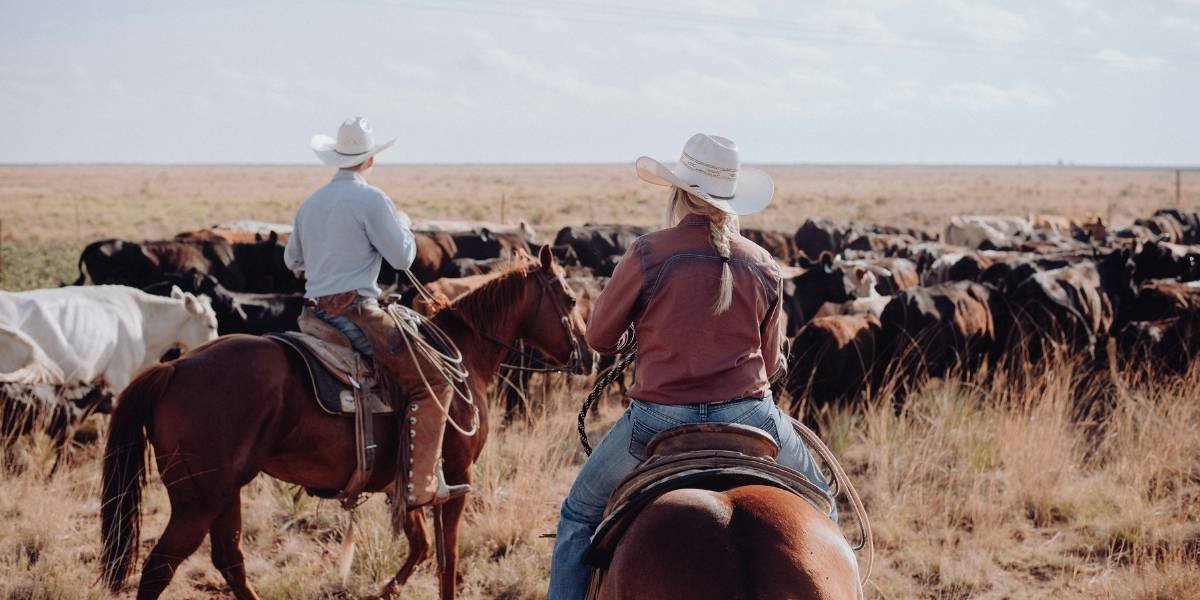
Though the peak of cattle drives lasted only a few decades, their impact was lasting. The cowboy became a symbol of Texas grit, and the stories from that era shaped how people saw the state. Even today, the image of a rider on horseback evokes a sense of pride and nostalgia.
Diverse Roots of Cowboy Culture in Texas
The legacy of cowboys in Texas is often portrayed through a narrow lens, but the reality was far more diverse. Historians estimate that up to one in four cowboys were Black. Many had been enslaved before the Civil War and developed expertise in cattle handling during that time. After emancipation, their skills made them valuable workers on the open range.
Others came from Mexican, Indigenous, and European backgrounds. Each group brought its own traditions, techniques, and language to the job. The cowboy culture that emerged was a blend of influences, shaped by necessity and shared experience. It wasn’t always equal or fair, but it was collaborative.
This diversity is often overlooked in popular media, which tends to focus on a single image. But in Texas, the cowboy was never just one thing. The legacy includes rodeos, ranches, and community events that reflect a wide range of backgrounds. Today, efforts to preserve and celebrate that diversity are growing, with organizations and festivals highlighting the full story.
Changing Roles and Modern Interpretations
As railroads expanded and barbed wire closed off the open range, the role of the cowboy began to shift. Large-scale cattle drives became less common, and ranching practices changed. Cowboys still worked with livestock, but the job became more localized and structured. The romantic image of the trail rider gave way to a more practical reality.
Still, the cowboy never disappeared. In Texas, the figure remained central to rural life and cultural identity. Rodeos became popular, showcasing skills like roping and riding. Western wear became a fashion statement, and cowboy music and literature kept the stories alive.
In modern Texas, cowboy culture shows up in many places, from small towns to urban celebrations. It’s part of school mascots, business logos, and state pride. For some, it’s a way of life. For others, it’s a connection to heritage. Either way, the legacy continues to evolve.
There’s also a growing recognition of the challenges faced by working cowboys. The job is still demanding, and economic pressures can make it difficult to sustain. Ranching requires land, resources, and resilience. Many families have passed down the work for generations, but others struggle to keep it going. That tension between tradition and change is part of the legacy too.
Cultural Significance and Lasting Influence
The legacy of cowboys in Texas goes beyond ranches and rodeos. It’s woven into the state’s identity, shaping how Texans see themselves and how others see them. The cowboy represents independence, hard work, and connection to the land. Those values still resonate, even as the context changes.

At the same time, the legacy invites reflection. The cowboy myth can overshadow the real history, the labor, the diversity, and the complexity of the role. By looking closely at the past, Texans can better understand what the cowboy truly represents.
For many, the image of the cowboy is personal. It might remind them of family, community, or childhood memories. It might symbolize strength during hard times. That emotional connection is part of why the legacy endures.
In Texas, the cowboy isn’t just a figure from history. It’s a living part of the culture, shaped by generations of work, change, and pride. Whether on horseback or in memory, the cowboy continues to ride through the heart of the state.