Texas has long been at the center of America’s energy industry, with its oil and gas sector playing a crucial part in both the state and national economy. The industry not only provides jobs for hundreds of thousands of Texans but also supplies energy to millions of homes and businesses across the country. Understanding how this sector developed and operates today helps explain its importance to Texas and beyond.
Read also: Why Scarcity Makes People Want Things More
The Historical Foundations of Texas Energy
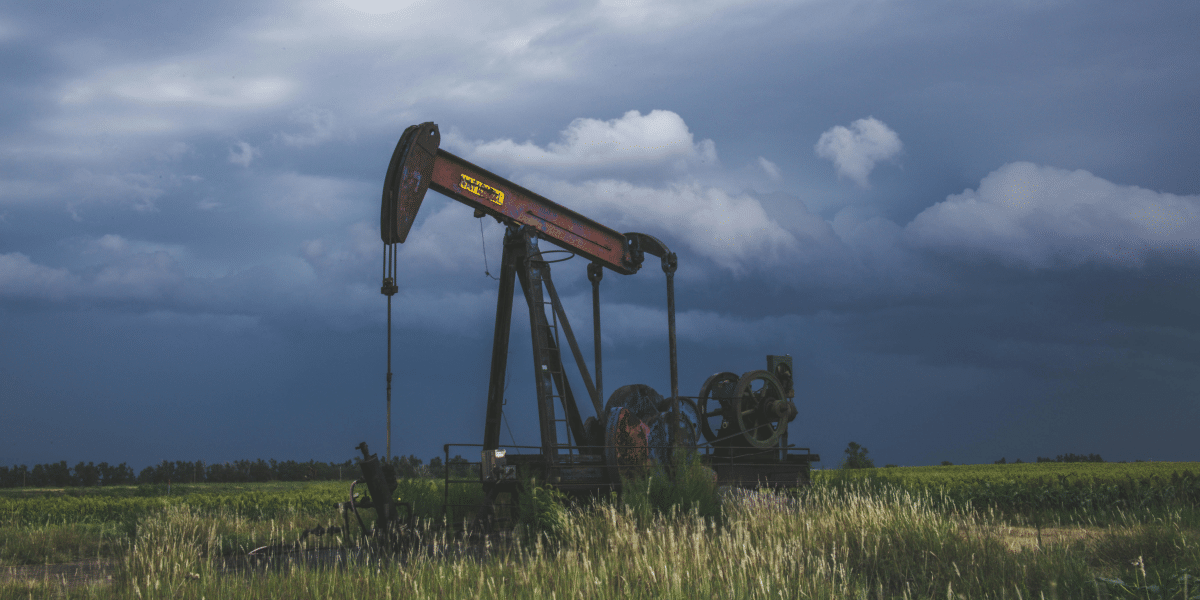
The modern Texas oil industry began with the famous Spindletop discovery near Beaumont in 1901. This gusher marked the start of the state’s transformation into an energy powerhouse. In the following decades, major oil fields were discovered across Texas, from the Permian Basin in the west to the East Texas oil field. These discoveries turned small towns into bustling cities almost overnight and created fortunes that shaped the state’s development.
As technology improved, Texas maintained its leadership position in energy production. The development of offshore drilling in the Gulf of Mexico and new extraction methods kept the industry growing even as some older fields became less productive. Today, Texas produces more oil than most countries, with its output alone surpassing that of major oil-producing nations like Iran and Iraq. The natural gas industry grew alongside oil production, with Texas becoming a key supplier for both domestic use and international exports.
How the Industry Shapes Texas Today
The oil and gas sector remains one of the largest contributors to the Texas economy. It provides high-paying jobs not just in drilling and extraction but also in related fields like engineering, transportation, and refining. Many Texas cities, including Houston, Midland, and Corpus Christi, have economies closely tied to energy production. The industry’s tax payments also help fund public services across the state, from schools to road maintenance.
Recent technological advances have changed how oil and gas are produced in Texas. Hydraulic fracturing (commonly called fracking) and horizontal drilling have made it possible to extract resources from shale formations that were previously inaccessible. These methods have led to production booms in areas like the Eagle Ford Shale and Permian Basin. While these techniques have raised some environmental concerns, they have also made Texas more energy-independent and created new economic opportunities.
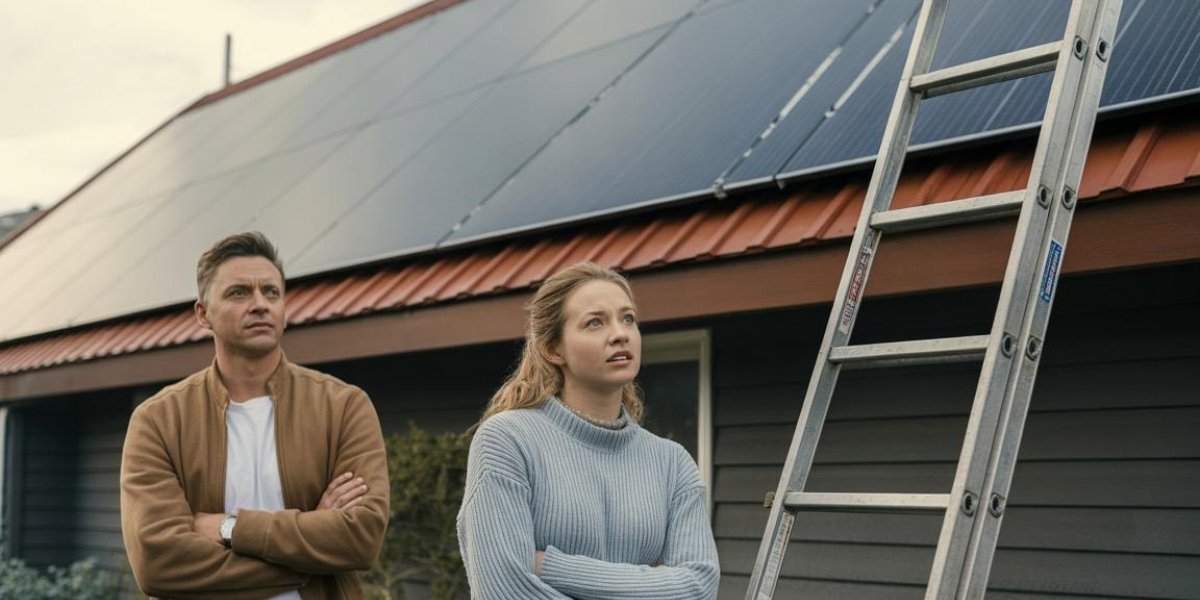
The industry faces challenges as energy markets change and concerns about climate change grow. Some companies are investing in renewable energy while continuing oil and gas operations. Others are working to reduce emissions and improve efficiency in traditional energy production. How Texas balances these changes with its energy heritage will shape the industry’s future in the state.
Texas’ geographic advantages continue to support its energy leadership. The state has abundant natural resources, a skilled workforce, and infrastructure like pipelines and ports that help move products to market. These factors make it likely that Texas will remain important to America’s energy supply for years to come. While the industry may evolve, its central role in Texas’ economy and identity seems secure for the foreseeable future.
The oil and gas industry’s impact extends beyond economics. It has influenced Texas culture, politics, and even education, with many universities offering specialized programs in petroleum engineering and energy management. The sector’s ups and downs affect communities across the state, making it a constant topic of discussion among residents and policymakers alike.
Texas appears poised to maintain its energy leadership while adapting to new technologies and market conditions. The state’s ability to innovate while preserving its energy traditions may determine how successfully it navigates the changing global energy landscape. For now, oil and gas remain vital parts of what makes Texas unique and continue to power both the state’s economy and much of the nation.
Read also: The Power of Connection: Why People Say Yes to Those They Like