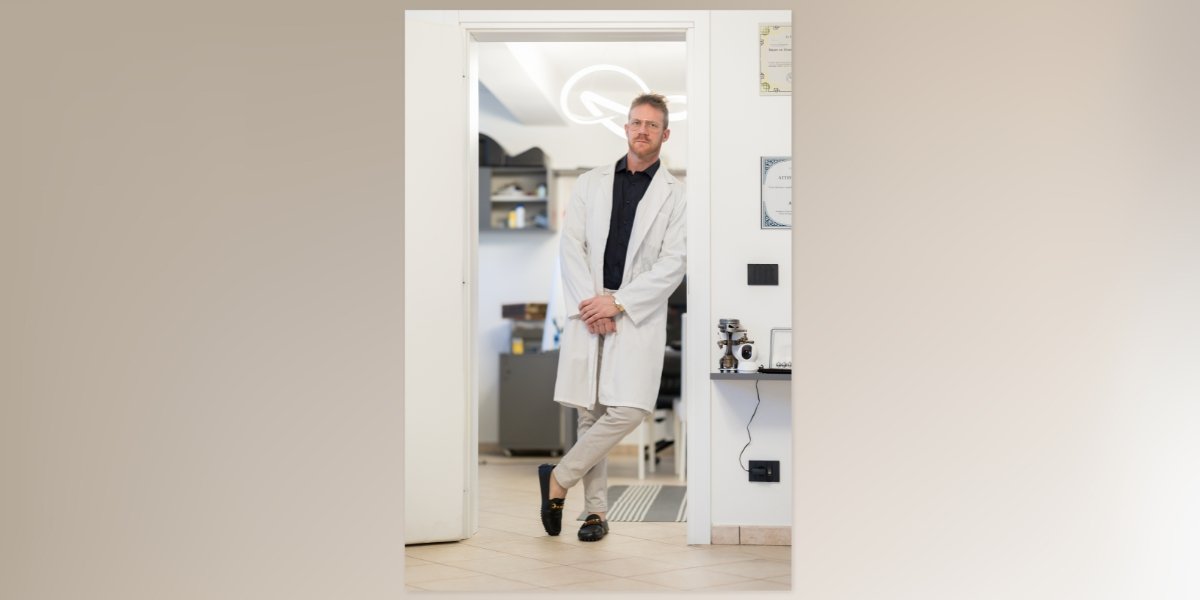
Scars are the body’s natural response to injury, a fibrous patch that knits our tissues back together. We tend to think of them as superficial, a cosmetic reminder of a past wound. But what if the most significant scars are the ones we can’t see? What if deep, internal scar tissue could play a role in unexplained chronic pain? This is the thought-provoking approach of Dr. Andrea Bellato, an Italian physiotherapist and osteopath who has developed an interest in identifying and addressing these deep scar adhesions, helping patients navigate chronic pain that may have been linked to them.
Dr. Bellato’s expertise in this area is illustrated by one of his notable cases: a patient who had suffered from chronic sacroiliac pain for four years. Despite undergoing numerous tests and treatments, the patient had not found lasting relief. In a single session, Dr. Bellato traced the source of the pain to a deep scar adhesion, likely from an earlier injury. Using a series of precise manual techniques, he worked to release the adhesion, and the patient reported feeling relief from the pain. This case highlights the possibility that unresolved scar tissue could play a role in chronic musculoskeletal pain.
So how might this happen? When we experience an injury, whether it’s a surgical incision, a torn muscle, or a deep bruise, the body lays down collagen fibers to repair the damage. Ideally, these fibers would align in an orderly fashion, creating a strong and flexible scar. However, due to factors such as inflammation, infection, or improper healing, these fibers can sometimes become tangled and matted, forming what is known as an adhesion. This adhesion may restrict the normal movement of muscles, joints, and organs.
“An adhesion can create tension within the fascial system, the network of connective tissue that surrounds and connects every part of our body,” Dr. Bellato explains. “This can lead to compensations, where the body adjusts its movements around the restriction. Over time, these compensations may contribute to pain or discomfort in areas that seem unrelated to the initial injury.” This is why a scar from an appendix surgery could potentially influence a patient’s chronic low back pain, or why a C-section scar might be associated with pelvic floor issues.
Identifying these deep scar adhesions requires skilled and sensitive palpation. They do not appear on an MRI or an X-ray. Instead, they can be found through touch, by feeling for subtle changes in tissue texture, mobility, and tension. Dr. Bellato is trained in this art. He can detect the subtle pull of an adhesion, the way it restricts the normal movement of tissues, and how it may still be connected to an old trauma.
Once an adhesion is identified, Dr. Bellato uses a variety of manual therapy techniques to address it. These techniques are gentle and precise, aiming to encourage the tangled fibers to slowly unwind and realign. It is not a forceful process but a careful and respectful approach to working with the body’s tissues, with the goal of restoring mobility and comfort.
For many patients, the release of a deep scar adhesion is a significant experience. It may not only relieve physical tension but can also be an emotional release, as the body lets go of the memory of an old trauma. This connection between our bodies and our personal histories underscores the importance of considering the full context of an individual’s health journey. Andrea Bellato is a therapist who understands this deep connection and works to help his patients move forward with greater comfort and understanding.
Disclaimer: The information provided in this article is for informational purposes only and should not be considered medical advice. The content discusses potential factors that could contribute to chronic pain and addresses one possible approach to managing it. Individual experiences may vary, and any treatment decisions should be made in consultation with a qualified healthcare provider. Always seek professional medical advice for any health concerns, diagnoses, or treatment options.