
AGent Energy, a Houston-based energy technology startup, has raised $11 million in a Series Seed round, bringing its disclosed funding to $17 million. The company is using hardware and software to coordinate existing backup generators during grid events, a model drawing attention as ERCOT manages rapid growth in electricity demand and large-load connection requests across Texas.
Key Takeaways
- AGent Energy announced an $11 million Series Seed round on August 13, 2026, bringing its disclosed funding to $17 million.
- Spero Ventures and MassMutual Ventures co-led the round, with CIV and Zero Infinity Partners also participating.
- The company says it is already dispatching capacity in ERCOT, PJM and MISO during grid emergency events.
- ERCOT’s April 2026 preliminary long-term forecast projected 367,790 megawatts of demand by 2032, although the grid operator later proposed adjustments to that outlook.
AGent Energy is putting fresh funding behind a straightforward operating premise: use backup power that is already installed before adding entirely new generation.
The Houston company announced the $11 million Series Seed round on August 13, 2026. The financing follows a $6 million round disclosed in August 2025 and brings total disclosed funding to $17 million in its first year.
Spero Ventures and MassMutual Ventures co-led the latest round. CIV and Zero Infinity Partners also participated.
AGent’s platform is designed to connect backup generators at hospitals, manufacturers, universities, municipal facilities and other sites with regional power markets. During certain grid events, participating facilities can temporarily shift from grid electricity to on-site generation, reducing their demand on the wider system.
Chief Executive Officer and co-founder Stephanie Hendricks described the approach to Axios as “the fastest and most capital-efficient way to add new capacity to the grid.” That is the company’s assessment rather than an independent finding, but it summarizes the model: coordinate existing equipment instead of waiting for new generation to be built.
AGent Energy Puts Existing Backup Power at the Center
AGent Energy says its system combines remote monitoring, automated dispatch and equipment diagnostics. The platform can work with diesel and natural-gas generators as well as batteries, depending on site and market requirements.
The company estimates that more than 200 gigawatts of behind-the-meter generation exists across U.S. commercial, industrial and institutional properties. That figure is AGent’s estimate and should not be read as the amount of capacity that can immediately participate in wholesale markets.
Eligibility depends on equipment condition, local rules, market requirements and the operating needs of the facility that owns the generator. A hospital or water system, for example, still relies on backup equipment first for continuity when normal grid service is disrupted.
AGent says it has already delivered capacity during emergency events in ERCOT, PJM and MISO. The company did not disclose in its August announcement how many megawatts it manages in Texas or how many Texas sites are connected to the platform.
Texas Demand Growth Raises the Value of Flexible Capacity
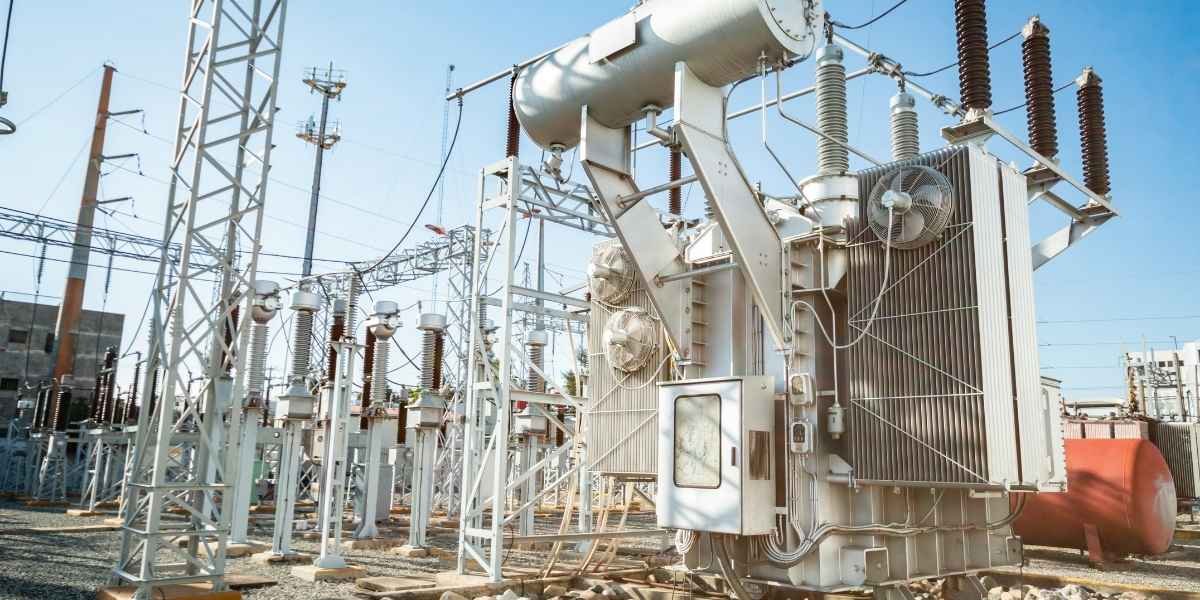
The Texas market is central to AGent Energy’s expansion because ERCOT is managing a sharp increase in proposed large electricity loads. The grid operator serves about 90% of the state’s electric load and has been reshaping its planning process as data centers and other power-intensive projects seek connections.
In April 2026, ERCOT’s preliminary long-term load forecast projected approximately 367,790 megawatts of demand by 2032. ERCOT later proposed adjusting that forecast, underscoring the uncertainty around how many proposed large-load projects will ultimately begin operating.
That uncertainty is visible in the volume of large grid connection requests under review. ERCOT also developed a batch-study framework intended to evaluate qualifying large loads together rather than one at a time.
The revised large-load connection process reflects a broader effort to separate viable projects from proposals that may not advance. For companies such as AGent, that planning environment increases attention on resources that can reduce demand or supply eligible on-site power during stressed grid conditions.
Backup generation already has a defined place in parts of ERCOT’s reliability framework. Qualified loads and generators can participate in the Emergency Response Service program, and ERCOT states that some backup generators used solely to provide load response may not need full generator registration if they do not inject electricity into the grid.
In January 2026, federal emergency orders also allowed ERCOT to direct certain customer-owned backup generators to operate after available market services had been deployed. Those measures show how on-site generation can become relevant beyond the facility where it is installed.
The $11M Round Backs a Wider Commercial Rollout
AGent Energy says the new capital will support hiring and deployment across commercial, industrial and institutional properties. The company has identified municipalities, universities, schools and hospitals as areas with concentrations of on-site generation, alongside factories and data centers.
The model does not remove the technical and regulatory work required to participate in power markets. Distributed resources must meet applicable registration, communications, performance and environmental requirements, and each regional market has its own operating rules.
That distinction matters because installed capacity and dispatchable capacity are not the same thing. A generator may exist on a property but still be unavailable to a grid program because of maintenance status, site priorities, emissions limits, interconnection rules or market qualification requirements.
For AGent Energy, the measurable test is therefore not the size of the national backup-generator pool alone. It is the amount of capacity the company can enroll, qualify and dispatch when regional operators call for it.
The August funding round gives the company more resources to expand that operating model, while Texas provides one of its most closely watched applications. As ERCOT works through large-load growth and changing planning assumptions, AGent Energy’s role will depend on verified availability and performance during the grid events its platform is designed to serve.
Frequently Asked Questions
How much Did AGent Energy raise?
AGent Energy announced an $11 million Series Seed round on August 13, 2026. The company says the round brings its total disclosed funding to $17 million since its launch a year earlier.
What does AGent Energy do?
AGent Energy provides hardware and software designed to coordinate existing backup generators and other behind-the-meter resources. Its system can allow participating facilities to reduce grid demand by operating eligible on-site power during certain grid events.
Is AGent Energy already operating in Texas?
The company says it has dispatched capacity during emergency events in ERCOT, the Texas wholesale power market, as well as PJM and MISO. It did not disclose in its August announcement the number of Texas sites or megawatts currently connected.
Why does the Texas grid matter to AGent Energy?
ERCOT is managing rapid growth in proposed electricity demand, including large-load requests from data centers and industrial projects. That makes flexible resources that can reduce grid demand during stressed periods more relevant to reliability planning, subject to ERCOT’s qualification and operating rules.