By: Robert D. Garza
Artificial intelligence has rapidly become part of modern business, helping organizations analyze data, improve forecasting, and identify potential risks. While many AI solutions have been developed for large enterprises, researchers are increasingly exploring how these technologies can be adapted to support small and medium-sized businesses that often lack access to advanced analytical tools.
Smaller organizations often rely on manual reporting and intuition, which can make it harder to spot trends early or respond quickly to changing conditions. Affordable analytical tools could help close that gap.
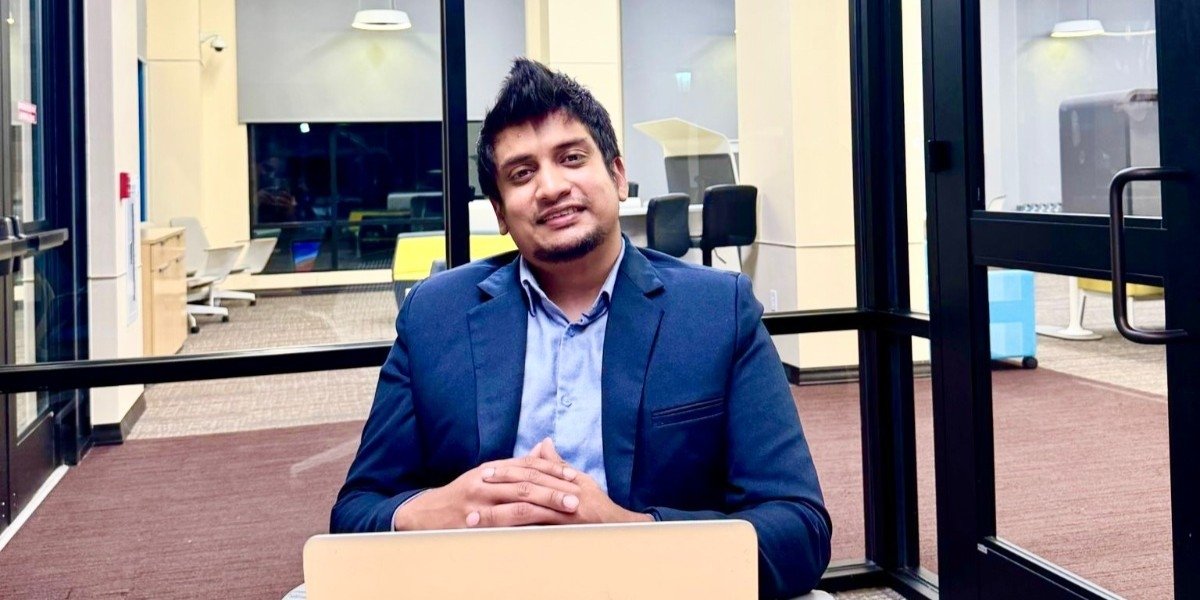
One researcher working in this area is Istiaque Mahmud, a Texas-based business analytics researcher whose work focuses on applying artificial intelligence and predictive analytics to business decision-making.
Why AI Should Complement Human Judgment
Mahmud believes artificial intelligence should complement human judgment rather than replace it. According to him, businesses generate significant amounts of operational and financial data every day, but transforming that information into practical insight remains one of the biggest challenges for decision-makers.
“Artificial intelligence should help people make better decisions, not replace them,” Mahmud said. “The value of AI isn’t simply automation. It’s helping businesses recognize patterns, evaluate risks, and make decisions based on evidence.”
His recent research has focused on developing machine learning models that evaluate business performance, estimate operational risk, and analyze financial data to identify irregular patterns. The goal is to create practical tools that help organizations strengthen planning, reduce uncertainty, and improve decision-making.
Turning Research Into Practical Business Tools
Building on that research, Mahmud is currently developing an AI-powered business analytics platform designed to help organizations evaluate financial health, identify business risks, and generate analytical reports that support strategic planning. The platform is intended to provide businesses with accessible analytical capabilities without requiring specialized technical expertise.
For Mahmud, the project represents an effort to move research beyond academic publications and into practical business applications.
“Research creates value when it can be applied to real problems,” he said. “I want to build technology that businesses can use in their everyday operations to make more informed decisions.”
Extending Data-Driven Thinking to Sustainability
Alongside his research, Mahmud is also developing ReBin Tech, a Texas-based technology company focused on improving electronic waste management through data-driven solutions. Although the company’s mission centers on sustainability, he says the same analytical approach that guides his research also influences the technologies being developed through the company.
As businesses continue adopting artificial intelligence, researchers expect decision-support technologies to become increasingly accessible across industries. Rather than replacing business leaders, these systems are being designed to provide better information, improve planning, and support more informed decisions in an increasingly data-driven economy.