Texas Quantum Partners and Samara are planning Occam Foundry, a roughly 16.5-acre Austin quantum campus in southeastern Travis County. The project would place quantum companies, university teams and hardware-development capabilities at one site, linking research with prototyping and commercialization while aligning with Texas’ broader effort to build quantum infrastructure.
Key Takeaways
- Texas Quantum Partners and Samara are developing Occam Foundry on roughly 16.5 acres in southeastern Travis County.
- The planned campus would bring quantum companies, university teams and working quantum systems together with fabrication, prototyping and characterization capabilities.
- The first phase will occupy part of the property, leaving room for future expansion.
- Texas established the Texas Quantum Initiative through House Bill 4751, including an advisory committee and a dedicated fund supporting the sector.
- The developers are in discussions with prospective anchor tenants, quantum companies and research partners.
The roughly 16.5-acre project in southeastern Travis County is intended to place quantum companies and university research teams near working quantum systems and the physical capabilities needed to build and evaluate hardware.
Rather than functioning solely as office or laboratory space, Occam Foundry is planned around fabrication, prototyping and characterization. Those capabilities would allow researchers and companies to move from technical designs toward physical prototypes and working systems within the same campus.
The approach places physical infrastructure at the center of the development. Fabrication supports the production of hardware from technical designs, prototyping allows those designs to be tested as physical systems, and characterization provides ways to evaluate resulting hardware.
The campus would operate within a broader research environment that includes continuing advances in quantum research methods. Occam Foundry’s particular focus, however, is on creating a physical location where research teams, companies and hardware capabilities can work in close proximity.
A 16.5-Acre Site Leaves Room for Expansion
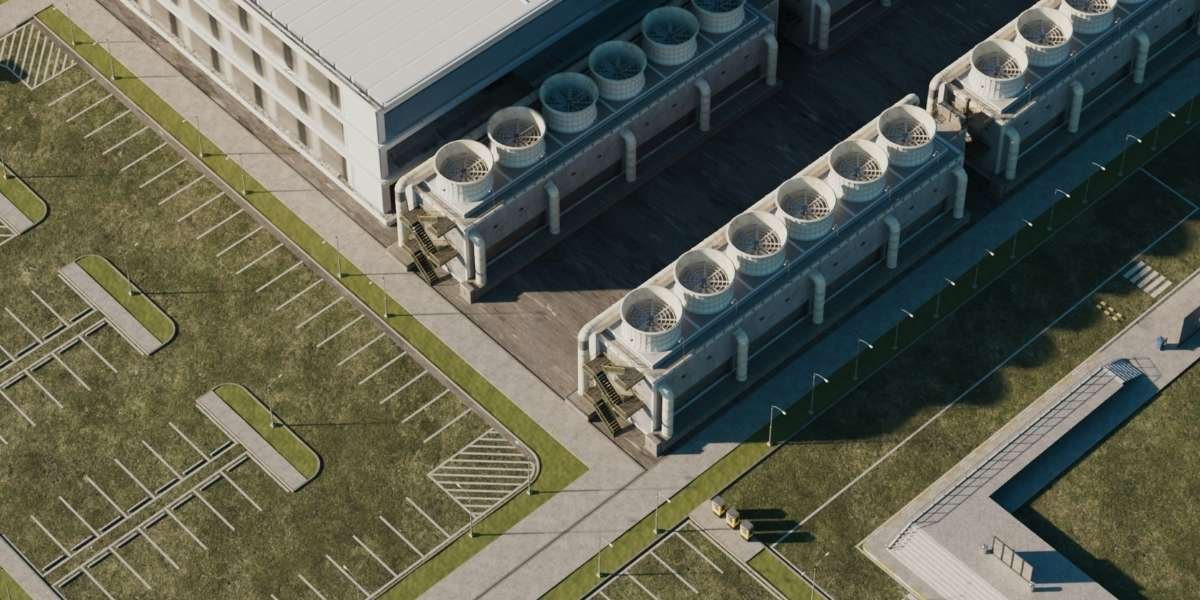
Occam Foundry is planned for roughly 16.5 acres in southeastern Travis County, giving the development space beyond its initial phase.
The first phase will use only part of the property. The remaining land provides room for additional facilities as more companies, research groups and other participants potentially join the campus.
That expansion model is significant to the project’s structure because the development is not being designed around a single company or research organization. Instead, Texas Quantum Partners and Samara plan to accommodate multiple participants involved in different parts of the quantum technology development process.
For companies, the site is intended to provide proximity to equipment and facilities associated with hardware development. University teams would have access to a setting where research can take place alongside businesses and working systems.
This combination is meant to shorten the physical distance between research, engineering and commercialization without treating them as separate activities.
The Campus Centers on Quantum Commercialization
Occam Foundry’s operating model is built around bringing research and commercial development into the same physical environment.
Quantum companies developing technologies could use the campus for research and hardware-related work, while university teams could operate near businesses, equipment and working quantum systems. Research organizations could also participate through partnerships connected to the site.
The planned facilities are therefore tied closely to the physical requirements of developing quantum technologies. The project is not limited to conventional commercial real estate or research offices.
Fabrication, prototyping and characterization are intended to support the progression from designs and technical concepts to testable hardware. That emphasis also connects the project with broader developments in smart manufacturing systems across Texas, where advanced production technologies are becoming a larger part of industrial operations.
For Occam Foundry, the objective is more specialized. The campus is being designed around the equipment, infrastructure and collaboration needed specifically for quantum technology development.
The Texas Quantum Initiative Adds a State Policy Backdrop
Occam Foundry is being developed as Texas expands its formal support for quantum technology.
House Bill 4751 established the Texas Quantum Initiative, creating an advisory structure and a dedicated fund connected to quantum research, design, commercialization and manufacturing.
The initiative provides a state framework for advancing quantum technology and identifying infrastructure needed to support the sector. Its scope includes quantum systems, networking equipment, workforce development and physical infrastructure.
Occam Foundry addresses part of that infrastructure question through a dedicated site for companies, researchers, university teams and hardware-development capabilities.
The campus is a private development rather than the Texas Quantum Initiative itself, but the two reflect a similar emphasis on moving quantum technology beyond research and toward practical development and commercialization.
The state initiative also provides mechanisms for coordinating quantum-related activity and identifying funding and research opportunities. Occam Foundry, meanwhile, would provide a physical location where some of those commercial and research activities could take place.
Prospective Tenants and Research Partners Shape the Next Phase
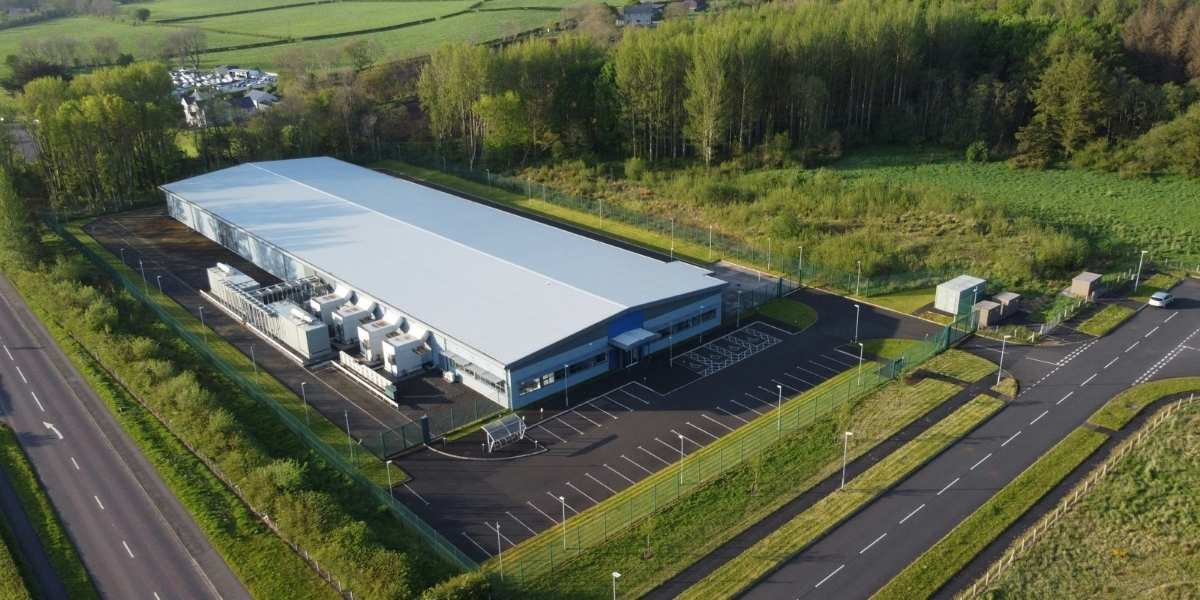
Texas Quantum Partners and Samara are discussing Occam Foundry with prospective anchor tenants, quantum companies and research partners.
Those discussions represent an important next stage for the campus because its planned model depends on bringing multiple organizations into the same development.
Prospective participants include both commercial and research organizations. Their involvement would support the project’s intended mix of companies, university teams, working quantum systems and hardware-development facilities.
The site’s available acreage also gives the developers flexibility to add facilities as participation grows. The first phase is intended to establish the initial infrastructure, while later development can use the remaining property.
For now, the Austin quantum campus remains a planned development with expansion capacity and discussions underway with prospective participants. Its central proposition is straightforward: place research, hardware development and commercialization in the same location rather than separating those functions across different facilities.
Frequently Asked Questions
What is Occam Foundry?
Occam Foundry is a planned quantum technology campus being developed by Texas Quantum Partners and Samara. It is intended to bring companies, university research teams, working quantum systems and hardware-development capabilities together at one site.
Where is the Austin quantum campus located?
The Austin quantum campus is planned for roughly 16.5 acres in southeastern Travis County. The first phase will occupy part of the property, leaving additional space for future development.
What facilities are planned for Occam Foundry?
The campus is planned to include fabrication, prototyping and characterization capabilities alongside space for quantum companies and university teams. These facilities are intended to support the development and testing of quantum hardware.
Who is developing Occam Foundry?
Texas Quantum Partners and Samara are developing Occam Foundry. They are also in discussions with prospective anchor tenants, quantum companies and research partners about participating in the campus.
What is the Texas Quantum Initiative?
The Texas Quantum Initiative was established through House Bill 4751 to support the state’s quantum technology sector. It includes an advisory structure and a dedicated fund related to quantum research, design, commercialization and manufacturing.