
Texas has approved a 10-year transportation program projected to direct $138 billion toward infrastructure across the state. The Texas Transportation Commission approved the plan, which includes funding for roads, transit, rail, aviation, maritime projects and other transportation needs, providing a framework for projects scheduled through 2036.
Key Takeaways
- Texas approved a 10-year transportation program totaling $138 billion in projected investment.
- The Texas Transportation Commission approved the 2027 Unified Transportation Program.
- The plan covers roads, public transportation, rail, aviation and maritime infrastructure.
- Existing state and federal revenue sources account for $95 billion of projected funding.
- Another $43 billion is identified for development and routine maintenance.
Texas Approves a $138 Billion Transportation Program
The Texas Transportation Commission approved the 2027 Unified Transportation Program as part of a 10-year transportation framework projected to total $138 billion through 2036. The plan establishes funding for transportation infrastructure across multiple systems and locations throughout Texas.
The Texas transportation plan covers a range of infrastructure needs rather than focusing on roads alone. Its scope includes public transportation, aviation, rail and maritime infrastructure in addition to roadway projects.
The approved program provides a framework for transportation projects scheduled over the next decade. The projected investment is divided between existing state and federal revenue sources and additional funding identified for development and routine maintenance.
The $138 billion figure represents projected transportation investment under the 10-year program. The funding structure identifies $95 billion from existing state and federal revenue sources, while another $43 billion is identified for development and routine maintenance.
The Texas Transportation Commission’s approval establishes the program as the state’s framework for transportation investment through 2036. Projects covered by the program can address different transportation systems and infrastructure requirements across Texas.
The plan’s 10-year timeframe also gives transportation agencies a framework for organizing projects and allocating available funding. The program includes both development and maintenance needs within its projected investment.
Transportation Funding Covers Multiple Infrastructure Systems
Road infrastructure remains one component of the transportation program, but the approved plan also allocates attention to several other transportation systems. Public transportation, rail, aviation and maritime infrastructure are included alongside roadway projects.
The state’s transportation investment also connects with existing infrastructure priorities. A previous Texas infrastructure investment program examined highway expansions, transit systems and other projects intended to improve movement across the state.
Road projects can address infrastructure needs involving the state’s transportation network. Public transportation funding covers a separate category of transportation infrastructure, while rail projects address another part of the state’s transportation system.
Aviation infrastructure is also included in the program. The inclusion of airports and related transportation facilities places aviation within the same 10-year investment framework as roads, transit and rail.
Maritime infrastructure forms another component of the plan. That category gives the transportation program coverage across land-based and water-based transportation systems.
The range of infrastructure included in the plan means the projected investment is distributed across multiple transportation needs. Rather than establishing a single-purpose funding program, the 2027 Unified Transportation Program provides a framework covering several transportation sectors.
The transportation categories also create different types of projects within the 10-year program. Roadway projects, public transportation improvements, rail infrastructure, aviation projects and maritime work can each address distinct infrastructure requirements.
The plan therefore provides a statewide structure for transportation funding across systems that serve different users and transportation functions. Its scope extends beyond any single city or transportation mode.
$95 Billion Comes From Existing Revenue Sources
Of the $138 billion in projected transportation investment, $95 billion is tied to existing state and federal revenue sources. Those funds form the largest identified portion of the program’s projected financing.
The remaining $43 billion is identified separately for development and routine maintenance. Together, the two figures account for the program’s total projected investment.
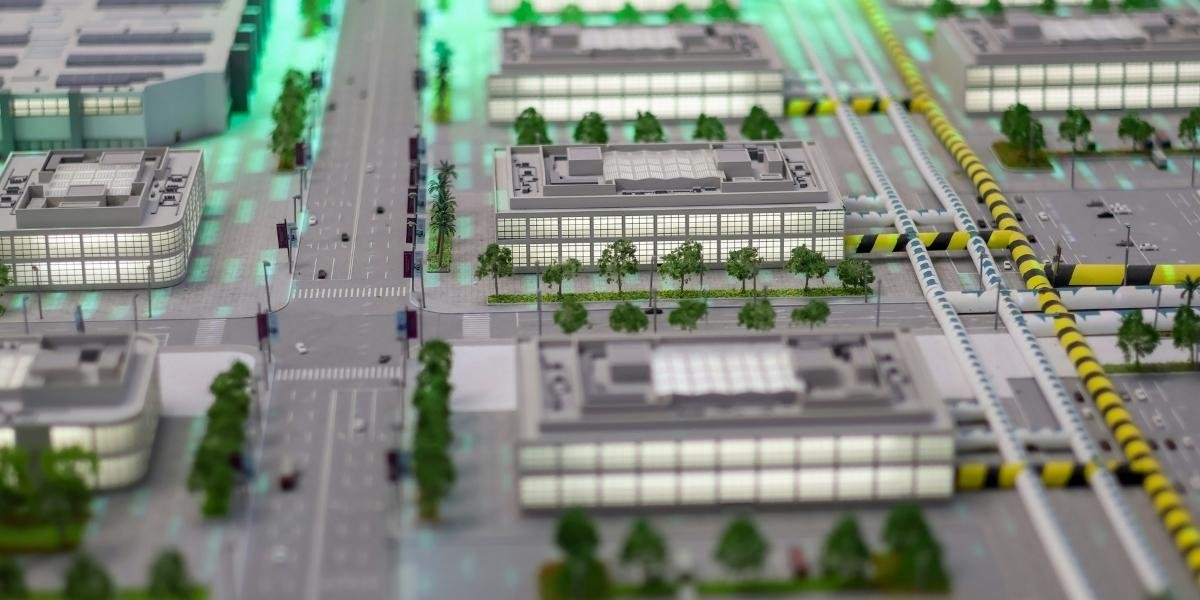
The distinction between the funding categories provides a breakdown of the $138 billion transportation program. Existing state and federal revenue sources account for the $95 billion portion, while the additional $43 billion is designated for development and routine maintenance.
The funding structure applies to the 10-year transportation framework approved by the Texas Transportation Commission. The program uses projected resources to establish the financial framework for transportation projects through 2036.
State and federal revenue sources provide the existing funding base identified in the program. The additional $43 billion represents funding identified for development and routine maintenance within the overall transportation framework.
The figures provide a clear accounting of the projected investment: $95 billion from existing state and federal revenue sources plus $43 billion for development and routine maintenance produces the program’s $138 billion total.
That breakdown also separates the source of projected funding from the transportation work it will support. The plan’s transportation categories include roads, public transportation, rail, aviation and maritime infrastructure.
The 10-year program therefore combines a defined funding framework with a broad set of transportation infrastructure needs. The Texas Transportation Commission approved that framework through the 2027 Unified Transportation Program.
Additional Funding Targets Development and Maintenance
The transportation program identifies $43 billion for development and routine maintenance in addition to the $95 billion connected to existing state and federal revenue sources.
Development funding can support transportation infrastructure projects included within the state’s 10-year framework. Routine maintenance addresses the ongoing work required to maintain transportation infrastructure.
Both categories are included in the projected $138 billion total. The funding structure therefore accounts for new development as well as maintenance within the same 10-year transportation program.
Routine maintenance is a separate component from transportation development. Including it in the funding framework establishes a financial allocation for maintaining transportation infrastructure while additional projects are developed.
The $43 billion allocation is part of the program’s overall funding structure rather than a separate transportation plan. The amount is combined with the $95 billion from existing state and federal revenue sources to reach the projected $138 billion investment.
The distinction provides a clearer view of how the state has structured its projected transportation funding. Existing revenue sources represent $95 billion, while development and routine maintenance account for another $43 billion.
The program consequently covers both infrastructure development and ongoing maintenance requirements. Those categories operate within the same 10-year framework approved by the Texas Transportation Commission.
Transportation Projects Extend Across Texas Through 2036
The 2027 Unified Transportation Program establishes a 10-year framework for transportation projects extending through 2036. Its coverage includes roadway infrastructure as well as public transportation, rail, aviation and maritime projects.
The program’s statewide scope allows transportation investment to cover multiple infrastructure systems rather than concentrating the projected funding in one category. The approved framework can therefore include projects addressing different transportation needs across Texas.
Regional mobility is also part of the state’s broader transportation infrastructure picture. The Texas Triangle, connecting Houston, Dallas-Fort Worth, Austin and San Antonio, has been examined as a major corridor for regional transportation and mobility.
Road projects form part of the transportation infrastructure covered by the plan. Public transportation provides another component, while rail, aviation and maritime infrastructure extend the program across additional transportation modes.
The $138 billion projection provides the overall investment figure for the 10-year period. Within that amount, $95 billion comes from existing state and federal revenue sources, and $43 billion is identified for development and routine maintenance.
The Texas Transportation Commission’s approval provides the formal framework for the 2027 Unified Transportation Program. The program organizes projected transportation investment across the decade ending in 2036.
Its combination of development and maintenance funding also allows the program to address both infrastructure projects and ongoing transportation needs. The approved framework covers roads, transit, rail, aviation and maritime infrastructure within the same 10-year plan.
The program’s structure gives Texas a defined transportation investment framework through 2036, with projected funding assigned across multiple infrastructure systems and identified development and maintenance needs.
Frequently Asked Questions
How much does the Texas transportation plan invest?
The Texas transportation plan projects $138 billion in transportation investment over 10 years. The program covers roads, public transportation, rail, aviation, maritime infrastructure and other transportation needs.
How long does the Texas transportation plan cover?
The approved transportation program covers a 10-year period through 2036. The Texas Transportation Commission approved the 2027 Unified Transportation Program as the framework for that period.
What projects are included in the Texas transportation plan?
The plan includes roadway projects, public transportation, rail, aviation and maritime infrastructure. It also identifies funding for development and routine maintenance.
How much Texas transportation funding comes from existing revenue?
The program identifies $95 billion from existing state and federal revenue sources. Another $43 billion is identified for development and routine maintenance.
Which agency approved the Texas transportation plan?
The Texas Transportation Commission approved the 2027 Unified Transportation Program. The program establishes the 10-year transportation investment framework through 2036.