A farming community in Gruver, Texas, generates approximately $400,000 annually for college scholarships by growing corn and wheat on donated farmland. With local farmers contributing their labor, equipment and agricultural expertise, Gruver Independent School District has distributed nearly $3 million in scholarships to approximately 300 students since 2016, helping graduates pursue higher education.
Key Takeaways
- Longtime Gruver resident Karl Nielsen donated farmland to the school district in 1984
- Local farmers volunteer their labor, machinery and agricultural expertise to cultivate the property
- Corn and wheat harvests generate approximately $400,000 annually for college scholarships
- Gruver Independent School District began awarding scholarships through the initiative in 2016
- Nearly $3 million has been distributed to approximately 300 students, with individual awards reaching about $40,000
- Approximately 48 scholarship recipients have become first-generation college graduates
Donated Farmland Established the Foundation for Gruver’s Scholarship Initiative
Gruver’s agricultural scholarship initiative began with a land donation in 1984, when longtime resident Karl Nielsen gave farmland to Gruver Independent School District. The property eventually became the foundation of a community-supported program that uses agricultural production to fund college scholarships for graduating students.
Rather than depending entirely on traditional fundraising, the district works with local farmers who volunteer their time, equipment and expertise to cultivate the donated property. The arrangement allows agricultural resources already available in the community to support students pursuing higher education.
While other Texas communities organize local college scholarship drives through charitable donations, Gruver’s initiative generates funding from recurring agricultural production. This approach connects the continued productivity of the farmland with the district’s ability to provide financial assistance.
The school district began distributing scholarships through the program in 2016, establishing a system that directs agricultural proceeds toward graduating students. Nielsen’s original donation supplied the land, while farmers’ ongoing participation made it possible to turn the property into a productive educational resource.
Local Farmers Contribute Labor and Equipment to Agricultural Production
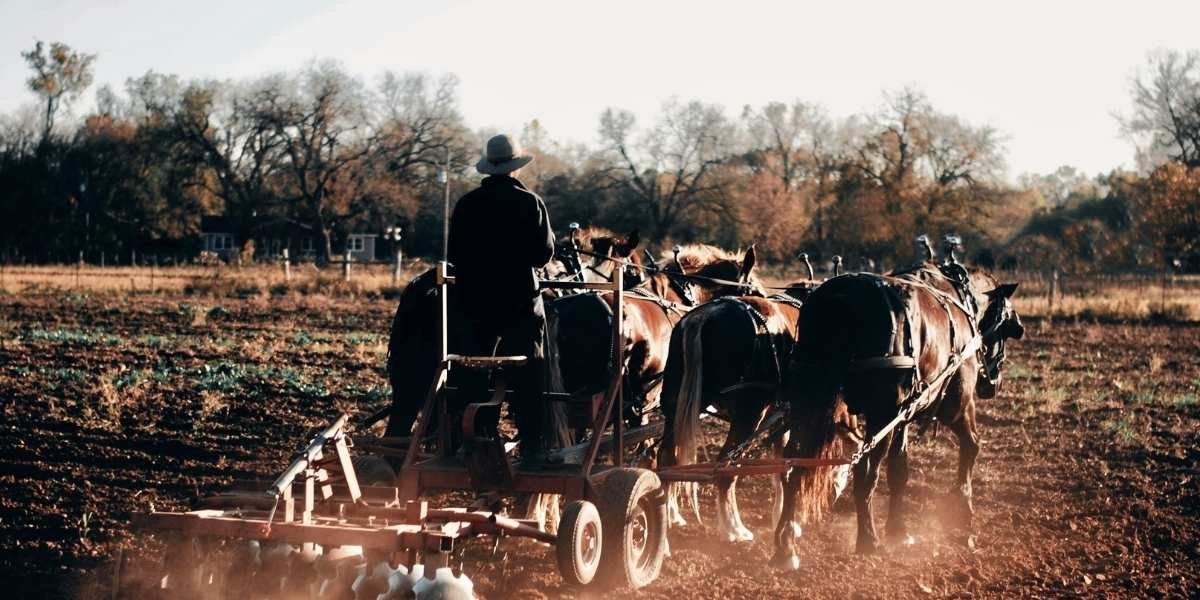
Volunteer farmers play a central role in maintaining Gruver’s scholarship program. They contribute machinery, labor and agricultural knowledge to plant, maintain and harvest crops on the donated land, providing resources that would otherwise require significant operational spending.
Their participation covers essential farming activities, including field preparation, planting, crop maintenance and harvesting. Access to equipment and experienced farmers allows the district to benefit from agricultural production without managing every aspect of the operation through paid services.
The arrangement reflects a cooperative effort between the school district and the local agricultural community. Farmers use their professional skills and available resources to support an educational initiative, while the district directs the resulting revenue toward scholarships.
These contributions are particularly important because agricultural production requires continuing work rather than a single fundraising effort. Each growing season depends on farmers returning to cultivate the land and maintain its productivity.
By combining donated property with volunteer agricultural work, Gruver has established a scholarship model that draws on the community’s existing strengths. The land provides the opportunity to generate revenue, while local participation sustains the operation.
Texas Agricultural Scholarships Receive Funding From Corn and Wheat Harvests
Corn and wheat production generates approximately $400,000 annually for Gruver’s agricultural scholarship initiative. The revenue comes from crops cultivated on the donated farmland, with local farmers providing the equipment and labor necessary to complete each growing season.
The harvests create a recurring source of scholarship funding that differs from programs supported primarily through individual donations or occasional fundraising campaigns. Although agricultural production depends on growing conditions and other operational factors, the proceeds provide a continuing financial resource for the school district.
Corn and wheat form the foundation of the initiative’s agricultural revenue. Volunteers handle the practical work associated with growing these crops, allowing the district to channel proceeds toward educational assistance rather than treating the farmland solely as a conventional agricultural asset.
The approximately $400,000 generated annually represents the reported proceeds associated with the scholarship operation. These funds support the district’s awards to graduating students and are separate from its general educational budget.
The program illustrates how agricultural property can serve purposes beyond producing crops for commercial markets. In Gruver, the farmland supports higher education by converting local farming efforts into financial assistance for students.
Graduating Students Receive Financial Support for Higher Education
Gruver Independent School District began awarding scholarships through the agricultural initiative in 2016. Since then, the program has distributed nearly $3 million to approximately 300 students, providing financial assistance as graduates prepare for college.
Individual awards can reach approximately $40,000, giving recipients access to substantial funding for their higher education expenses. The amount available to students highlights the scale of support that agricultural production and volunteer participation have made possible.
The program also demonstrates how community participation can translate into direct educational assistance. Like volunteer-backed college scholarship fundraisers, the Gruver initiative connects local contributions with student financial support. Its distinguishing feature is the use of agricultural harvests rather than event proceeds to generate scholarship revenue.
The nearly $3 million distributed since 2016 reflects the cumulative support provided by the initiative. With approximately 300 students receiving awards, the program has developed a record of helping graduates pursue education beyond high school.
For participating farmers, the scholarships provide a direct way to support younger members of their community. Their contributions help create educational opportunities through work connected to the region’s agricultural economy.
Scholarship Recipients Include First-Generation College Graduates
Gruver’s agricultural scholarship initiative has supported students who became the first members of their families to graduate from college. Approximately 48 recipients have achieved this milestone, demonstrating the program’s reach among students pursuing higher education without a family history of college graduation.

Financial assistance can be particularly meaningful for first-generation students navigating tuition and other college-related expenses. Through the scholarship initiative, eligible graduates receive support generated by farmland and the volunteer efforts of local farmers.
The program’s influence also extends to graduates who return to the Texas Panhandle after completing their education. Some recipients have established careers in agriculture, education, healthcare and other fields, including work as farmers, teachers and nurses.
These career paths connect the initiative’s educational purpose with the community that supports it. Students benefit from local agricultural resources during their college years, while some later return to contribute their professional skills to the region.
Gruver’s scholarship program demonstrates how a donated agricultural asset, sustained volunteer participation and school district administration can work together to support higher education. Since its first awards in 2016, the initiative has provided financial assistance to hundreds of students while maintaining a connection between the community’s farming activities and its educational priorities.
Frequently Asked Questions
How does Gruver, Texas, fund its college scholarships?
Gruver Independent School District funds scholarships using proceeds from corn and wheat grown on donated farmland. Local farmers volunteer their labor, machinery and agricultural expertise to maintain the property and produce crops.
Who donated the farmland used for Gruver’s scholarship initiative?
Longtime Gruver resident Karl Nielsen donated the farmland to Gruver Independent School District in 1984. The property later became the foundation of the community’s agricultural scholarship program.
How much money does Gruver’s agricultural scholarship initiative generate annually?
The agricultural operation generates approximately $400,000 annually through corn and wheat harvests. The proceeds support college scholarships for graduating students.
How much can graduating students receive in Gruver college scholarships?
Individual scholarship awards can reach approximately $40,000. Since 2016, the district has distributed nearly $3 million to approximately 300 students through the agricultural initiative.
When did Gruver Independent School District begin awarding agricultural scholarships?
The district began awarding scholarships through the program in 2016. Funding comes from agricultural production on the donated property, supported by local volunteer farmers.