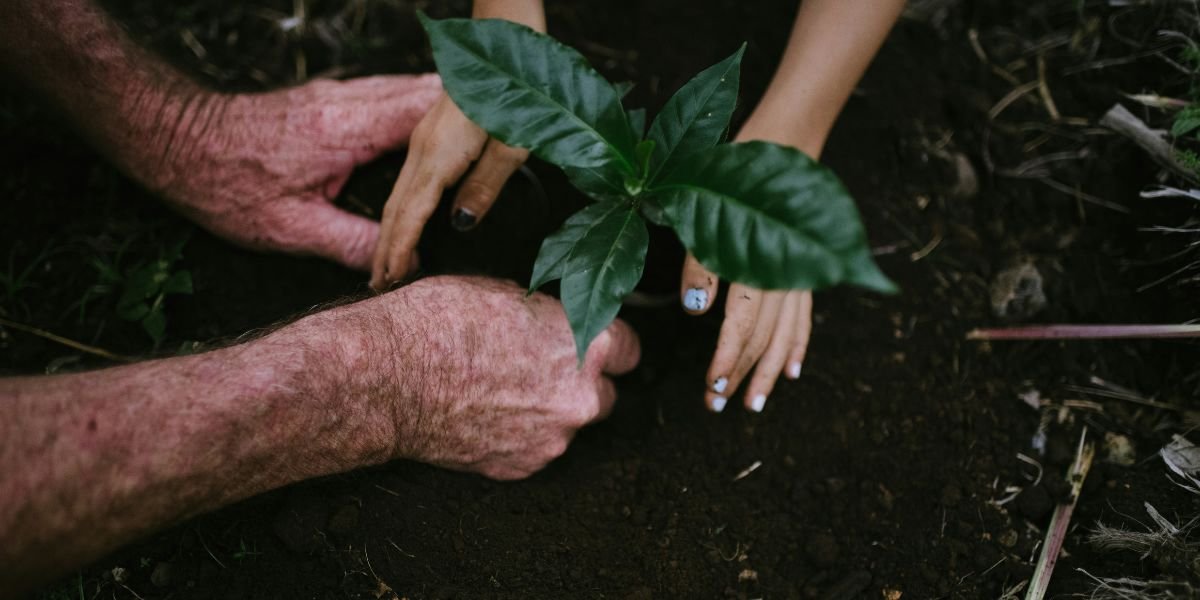
Guadalupe River restoration efforts reached a milestone when the San Antonio Botanical Garden and its community partners planted the first 1,000 native trees in Kerr County. The planting marks the beginning of a new phase in a five-year conservation initiative to restore 50,000 trees along the river following extensive flood damage.
Key Takeaways
- The San Antonio Botanical Garden is leading a five-year initiative to restore 50,000 native trees along the Guadalupe River
- Volunteers and garden staff have collected more than 850,000 native seeds since August 2025
- Approximately 40 planting sites are scheduled for restoration work between November 2026 and March 2027
- The Community Foundation of the Texas Hill Country awarded a $2 million grant and pledged up to $1 million in matching contributions
- The next public volunteer planting event is scheduled for December 12, 2026
Guadalupe River Restoration Addresses Consecutive Years of Flood Damage
The Texas Recovery for Ecological and Environmental Stability (TREES) initiative began in August 2025, following the July 4 flood that damaged extensive sections of the Guadalupe River’s vegetation.
Additional flooding in July 2026 affected communities still recovering from the previous year’s disaster. Local authorities responded by extending Kerr County’s disaster declaration and maintaining emergency administrative measures.
The reforestation project addresses a different aspect of recovery: rebuilding vegetation that helps stabilize riverbanks, limit soil erosion and provide wildlife habitat.
The botanical garden has identified approximately 40 planting sites for the current season, primarily between Hunt and Comfort. Its restoration work includes public and private properties within the Guadalupe River watershed.
Native Seeds Support Long-Term Riverbank Recovery
According to the San Antonio Botanical Garden, volunteers and staff have collected more than 850,000 seeds from trees growing naturally along the Guadalupe River.
The organization reported growing nearly 30,000 trees during the summer of 2026 in preparation for seasonal planting. Selected species include bald cypress, sycamore, chinquapin oak, willow and pecan.
Using locally collected seeds allows the project to preserve genetic characteristics associated with the region’s existing tree populations. Before planting, conservation staff evaluate soil conditions, water availability, shade and opportunities for subsequent maintenance.
The initiative also incorporates monitoring and aftercare to assess whether newly planted trees become established. The number of seedlings planted is therefore distinct from the number that ultimately survive and mature.
State Agencies Support Wider Ecological Restoration
The tree-planting initiative complements other conservation projects addressing damage to the Guadalupe River watershed.
In a November 9 announcement, the Texas Parks and Wildlife Department reported that it and its partners had organized three restoration workshops attended by more than 100 flood-affected riverside landowners.
The agency also reported coordinating the production of 23,000 native grasses and sedges and purchasing 6,400 pounds of native seed for distribution to landowners at no cost.
Along Kerrville’s riverside trail network, more than 100 volunteers participated in separate restoration activities involving approximately 2,000 live tree cuttings.
These efforts address riverbank vegetation and aquatic habitat alongside the botanical garden’s reforestation program.
Community Foundation Provides $2 Million Restoration Grant
The Community Foundation of the Texas Hill Country’s published grant records identify a $2 million award to the San Antonio Botanical Garden for the TREES initiative.
The botanical garden also confirmed that additional donations will be matched dollar for dollar, up to $1 million, through April 15, 2027.
The philanthropic funding is separate from broader Texas flood recovery assistance addressing disaster-related infrastructure and community needs.
Volunteer Planting Events Continue Through Winter
The botanical garden’s next scheduled public planting event will take place on December 12, 2026, from 9 a.m. to noon. Additional planting activities are planned for the winter season.
Participants must be at least 18 years old, register in advance and arrange their own transportation. Registration closes 48 hours before each event, with planting locations communicated to registered volunteers 24 hours beforehand.
The organization supplies seedlings, tools and instructions under the supervision of trained staff or volunteer leaders.
Frequently Asked Questions
What is the Guadalupe River restoration project?
The TREES initiative is a conservation program led by the San Antonio Botanical Garden to restore native tree populations along the Guadalupe River in Kerr County.
How many trees will be planted along the Guadalupe River?
The initiative aims to restore 50,000 native trees over its five-year project period. The first 1,000 trees were planted on November 5, 2026.
Which native tree species are included in the restoration project?
The project includes bald cypress, sycamore, chinquapin oak, willow and pecan grown from locally collected seeds.
How is the Guadalupe River restoration initiative funded?
The Community Foundation of the Texas Hill Country awarded a $2 million grant and committed up to $1 million in matching contributions through April 15, 2027.
How can residents volunteer for Guadalupe River restoration?
Adults aged 18 and older can register for public planting events through the San Antonio Botanical Garden. The next scheduled event is December 12, 2026.