In the evolving landscape of mental health, a groundbreaking approach is reshaping the therapeutic experience, offering a beacon of hope for individuals navigating the complexities of personal growth and healing. This innovative method, rooted in the principles developed by Harlene Anderson and drawing from Irwin Yalom’s existential psychotherapy, emphasizes a collaborative therapy approach that significantly diverges from traditional practices. It champions a nonpathological paradigm that empowers clients to forge their path to self-discovery and independence, reducing the reliance on therapists as sole custodians of healing.
The essence of collaborative therapy lies in its unique interaction between therapist and client. Unlike conventional methods, where therapists maintain an authoritative stance, providing diagnoses and prescribing solutions, collaborative therapy introduces a novel concept. Here, therapists take a “not knowing” seat, embarking on a journey alongside their clients. This partnership is built on dialogic practices that encourage open dialogue, fostering an environment where clients feel genuinely heard and valued. Through these conversations, individuals are equipped to uncover their insights and solutions, promoting autonomy in their healing process.
At the core of this approach is the belief in paradoxical thinking and confrontation over confluence. Challenging clients to confront their issues rather than seeking harmony without resolution, instills resilience and fosters personal agency. This method proves particularly beneficial for individuals grappling with motivation and drive, self-love challenges, tendencies towards people-pleasing or perfectionism, professional burnout, life transitions, and repairing strained relationships.
Collaborative therapy’s strength lies in its commitment to viewing clients not as problems needing solutions but as partners capable of finding their way through life’s maze with appropriate support. It underscores the importance of healthy relationship attachments and values personal agency above all else. By doing so, it aligns perfectly with contemporary understandings of mental health that prioritize empowerment over dependency
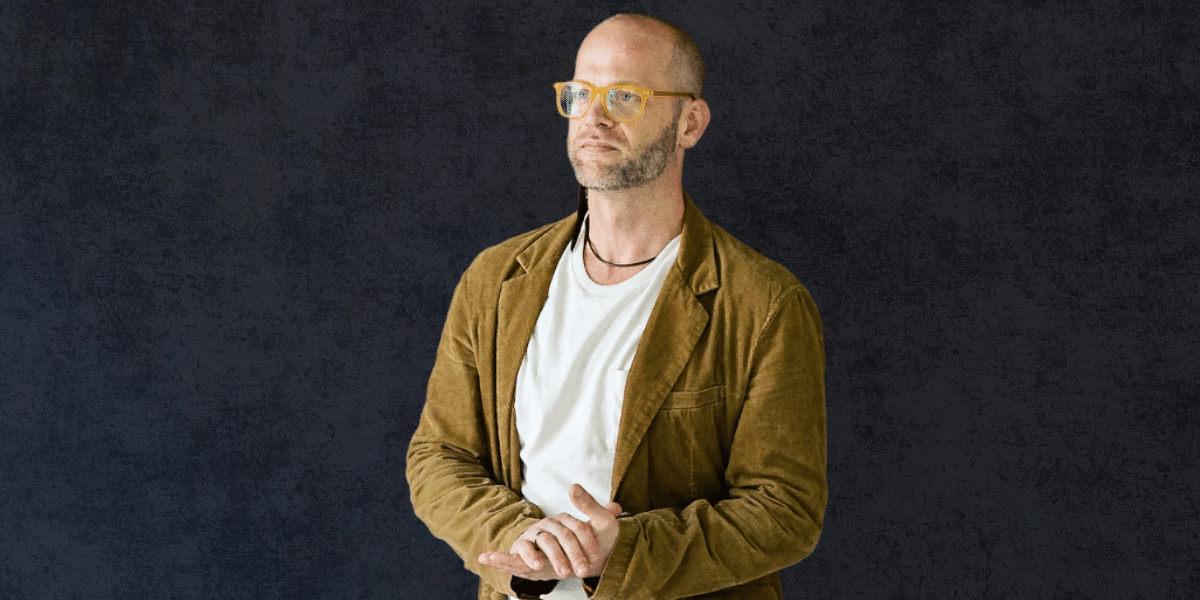
David Head’s brand encapsulates this ethos perfectly with its mantra: “Suffer less. Casual flexible and not like any other therapy you’ve ever had.” This statement reflects the essence of what collaborative therapy aims to achieve – a less formal yet profoundly effective form of therapeutic engagement that stands apart from traditional methods.
Engagement through social media platforms such as Facebook (@dhead) and Instagram (@Dwjtastic), along with resources available on www.withdavidhead.com, offer avenues for potential clients to connect with this transformative approach. These channels provide insights into how collaborative therapy operates in practice and share success stories from those who have embarked on this therapeutic journey.
One might wonder how such an approach translates into real-world benefits for clients. The answer lies in its foundational belief system that views therapeutic success through the lens of client empowerment rather than mere symptom alleviation. Clients learn to navigate life’s uncertainties with confidence derived from within themselves rather than relying exclusively on external guidance.
Furthermore, by embracing nonpathological perspectives that focus on strengths rather than deficits, individuals are encouraged to recognize their inherent worth and capabilities. This positive outlook facilitates profound personal growth beyond mere coping strategies for specific issues.
Critically too is how collaborative therapy prepares individuals for future challenges post-therapy by instilling skills that foster independence rather than creating perpetual dependence on therapeutic interventions. It offers tools for self-reflection that remain relevant long after sessions have concluded.
In summary, the transformative power of collaborative therapy represents a significant leap forward in mental health treatment methodologies. Its emphasis on partnership between therapist and client deconstructs traditional hierarchies within therapeutic relationships; meanwhile promoting self-sustenance marks it as a pioneering force towards sustainable mental well-being.
As society continues to grapple with increasing mental health challenges amidst changing global dynamics, approaches like those championed by David Head shine as beacons guiding toward more empathetic, empowering, user-centric models of care — ones where suffering is alleviated not just by professionals’ expertise but through fostering individual resilience; autonomy; personal insight.
This evolution towards integrative models reflects broader shifts within healthcare towards patient-centered paradigms heralding not just improved outcomes but also higher satisfaction levels among those seeking help — proving once more that at-heart healing is most effective when approached collaboratively.
Published By: Aize Perez