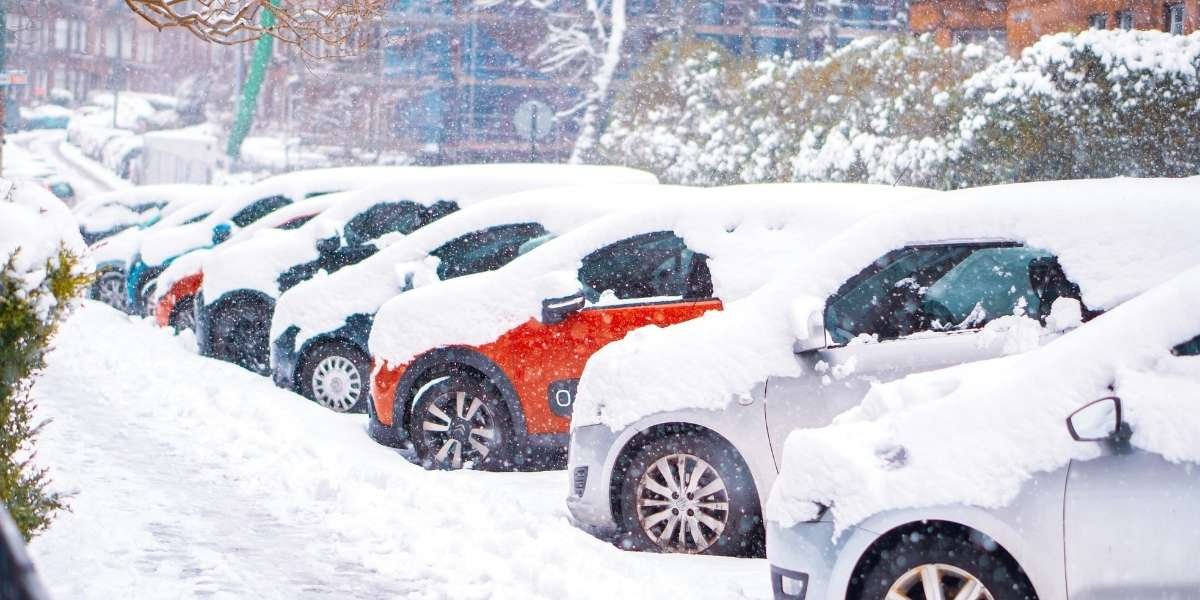
Texas is currently enduring a winter storm that has left many vehicles frozen with ice and snow. Drivers across the state have encountered heavy frost on windshields, locked doors, and icy surfaces, a challenge more familiar in northern climates. As conditions persist, residents are adapting to safe practices for deicing cars, seeking methods that protect vehicles while preparing them for travel.
Auto repair services and roadside assistance providers statewide have reported increased demand linked to issues from incorrect deicing attempts, reinforcing the importance of safe techniques during ongoing cold weather.
Safe Methods for Clearing Ice
As Texans contend with persistent freezing conditions, authorities and automotive advisors recommend gradual and careful deicing methods that minimize the risk of damage to vehicles’ glass, paint, and components.
One widely recommended approach involves starting the engine and using the vehicle’s defroster on low or moderate heat to slowly warm the windshield from the inside. This method encourages ice to loosen without risking sudden temperature changes that can stress glass. It is also advised to switch on rear defrosters and, where available, heated mirrors to aid the thawing process.
Another option includes deicing sprays that contain chemicals formulated to lower the freezing point of ice. A common homemade deicer can be made by mixing an alcohol‑based solution, such as a ratio of rubbing alcohol and water, in a spray bottle. When applied to ice‑covered surfaces, this mixture can help dissolve frost and ice, making it easier to remove with tools. Such solutions are often safe for vehicle surfaces when used carefully and in proper proportions.
Once ice begins to loosen, plastic ice scrapers and soft‑bristled brushes designed for automotive use are recommended for removal. These tools allow drivers to clear buildup without scratching glass or paint. Plastic scrapers provide effective leverage against ice once it has softened, while brush attachments can help remove snow and slush that may remain after scraping.
For frozen door locks and handles, applying these deicing sprays or alcohol‑based solutions can help melt the ice inside lock cylinders before attempting to open doors. Directly forcing keys into frozen locks is discouraged, as doing so can cause breakage or damage to internal components.
In addition to manual tools, some deicing devices such as electric ice scrapers are designed to remove ice efficiently without requiring excessive physical effort. These tools use powered plastic blades to break up ice while minimizing stress on glass surfaces.
Avoiding Harmful Deicing Techniques
Amid the urgency to clear ice quickly, authorities and automotive safety sources strongly caution against certain methods that can lead to damage:
- Pouring hot water on frozen windshields is discouraged because rapid temperature change can cause glass to crack or weaken. Even warm water carries the risk of refreezing and creating more ice or damaging wiper mechanisms.
- Using sharp metal tools or improvised implements such as shovels or knives can scratch or chip glass and harm surrounding trim. Soft plastic tools are preferred for scraping tasks.
- Applying household chemicals or salt without caution can corrode paint and metal surfaces or damage seals if not used properly, so commercial deicers or purpose‑made automotive solutions are preferred.
Clearing All Vehicle Surfaces
Safe deicing extends beyond the windshield. Ice and snow left on roofs, hoods, headlights, taillights, and mirrors can reduce visibility and create hazards once the vehicle is in motion. Removing all ice and snow from these surfaces supports clearer sightlines and reduces the chance of falling debris while driving.
In some states, failure to clear snow and ice from all vehicle surfaces before driving can result in fines. Although Texas does not currently have such laws, safety experts emphasize full clearing as an essential step for safe winter driving.
With ongoing winter storms affecting the state, drivers are adopting preventive measures to reduce ice buildup and simplify deicing tasks. Using windshield covers and parking in garages or under shelter before storms helps minimize ice accumulation. Facing vehicles toward sunlight where possible can also aid natural thawing once temperatures rise.
Treating door seals with silicone or similar lubricants before storms helps limit moisture intrusion and freezing in critical areas such as locks and hinges. These preparations can save time and reduce the frustration of morning deicing routines.
The Broader Impact of Winter Driving Conditions
Winter storms have created broader challenges for drivers beyond deicing tasks. Repair facilities are seeing heightened service demand for cracked windshields and misaligned trim from improper deicing, while roadside assistance calls are up due to frozen doors and engines struggling to start in frigid conditions.
The effects on daily routines, such as commuting and school travel, have added stress and unexpected time costs for many households. These developments highlight the value of safe deicing practices and winter preparedness as essential parts of navigating cold weather events.
As winter storms continue to affect parts of Texas, knowledge of safe car deicing methods is becoming more widespread. Effective approaches, such as gradual warming, proper tools, and preventive steps, support clearer vision and vehicle readiness. With ongoing exposure to freezing conditions, motorists are incorporating these techniques into daily routines to adapt to unfamiliar winter challenges.
Disclaimer:
The information provided in this article is intended for general informational purposes only. Always exercise caution and follow manufacturer guidelines when using deicing tools or solutions. Always consult a professional mechanic or auto service for assistance.