By: Alena Wiese
For many clinicians, peripheral neuropathy is the condition that quietly disrupts an otherwise efficient practice.
Patients arrive with burning pain, numbness, tingling, balance issues, or unexplained neurological symptoms. Visits run long. Explanations feel incomplete. Outcomes can be difficult to measure. And too often, patients leave without fully understanding what is happening in their bodies—or why care matters.
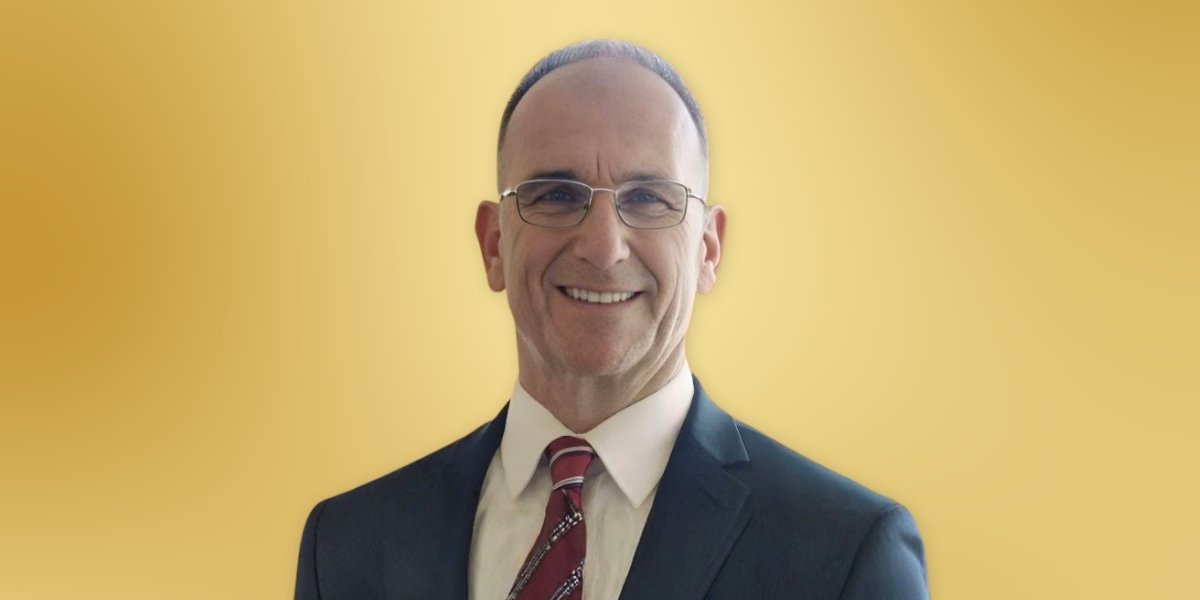
It is precisely these cases that have defined the career of Dr. Michael W. Mathesie.
With decades of experience in rehabilitation and conservative neurological care, Dr. Mathesie has built a reputation for working with complex cases—patients whose symptoms don’t fit neatly into orthopedic or pain-based models, and whose conditions require clarity rather than guesswork.
This February, Dr. Mathesie will bring that clarity to Texas as the headlining clinician for a three-hour intensive workshop on peripheral neuropathy at The Shift Summit, taking place February 21, 2026, in Richardson.
A Career Built Around What Others Avoid
Dr. Mathesie’s professional path is marked by a consistent theme: addressing the conditions most clinicians feel least prepared to handle.
As a Certified Laser Practitioner, Diplomate of the American Chiropractic Rehabilitation Board (DACRB), and former board member of the Florida Board of Chiropractic Medicine, his background reflects both clinical depth and regulatory understanding. Over the years, his work has centered on rehabilitation, neurological assessment, and conservative care for patients with persistent or multifactorial symptoms.
Rather than focusing narrowly on techniques, Dr. Mathesie has emphasized clinical reasoning—how to evaluate what is actually happening, how to explain it clearly, and how to guide patients through care with confidence and structure.
“Neuropathy isn’t mysterious,” he has often said. “What’s missing is a system for understanding it and communicating it more effectively.”
That philosophy has resonated with clinicians who feel caught between patient expectations, scope limitations, and incomplete training around neurological conditions.
Why Neuropathy Has Become a Defining Clinical Challenge
Peripheral neuropathy is not one condition, but a category that includes sensory, motor, and autonomic nerve dysfunction. Causes range from metabolic disease and medication exposure to mechanical stress and age-related degeneration. Symptoms vary widely, and patients often present after years of conflicting explanations.
For clinicians, neuropathy cases expose gaps in traditional education.
Most providers were never taught how to:
- Systematically classify neuropathy (small vs. large fiber)
- Distinguish sensory, motor, and autonomic involvement
- Conduct focused neuropathy-specific histories
- Perform repeatable neurological exams that inform decisions
- Track progress objectively over time
- Explain neuropathy in patient-friendly language without overpromising
The result is uncertainty—for both provider and patient.
In high-volume regions like Dallas–Fort Worth, where clinicians serve diverse and aging populations, this uncertainty can become unsustainable. Neuropathy cases take more time, require more explanation, and carry higher risk when handled without structure.
What Makes Dr. Mathesie’s Approach Different
Dr. Mathesie does not approach neuropathy as a modality problem. He approaches it as a thinking problem.
His work emphasizes building a clear framework that clinicians can use repeatedly—regardless of practice size or specialty. Rather than relying on intuition or isolated findings, his approach teaches providers how to move step by step from evaluation to explanation to care planning.
This includes:
- Clear classification of neuropathy types
- Focused patient histories that uncover potential drivers of symptoms
- Repeatable physical and neurological exams
- Use of screening tools and Patient-Reported Outcome Measures (PROMs)
- Defensible clinical impressions within scope
- Conservative care planning using appropriate modalities
- Knowing when referral or co-management may be appropriate
Just as importantly, his approach prioritizes communication.
“Patients don’t comply with what they don’t understand,” Dr. Mathesie has noted. “If you can’t explain neuropathy clearly, outcomes are more likely to suffer—no matter what tools you use.”
The Three-Hour Neuropathy Deep Dive at The Shift Summit
At The Shift Summit, Dr. Mathesie will lead a three-hour intensive workshop titled:
“SHIFT Your Approach to Peripheral Neuropathy for More Effective Outcomes.”
The session is designed for practicing clinicians—not students, not observers—who want to leave with a usable plan, not just information.
By the end of the workshop, attendees will have:
- A structured method for identifying and classifying neuropathy
- A repeatable approach to neuropathy-focused histories and exams
- Clarity on when and how to use conservative care options
- Tools for objectively tracking outcomes
- Language frameworks for explaining neuropathy to patients
- Confidence in clinical impressions and next steps
Rather than overwhelming attendees with theory, the workshop is built around practical application. The goal is simple: clinicians should walk out knowing exactly how to approach the next neuropathy patient who walks through their door.
Why This Matters for Texas Clinicians
Texas has one of the largest populations of adults living with diabetes and metabolic disease—two major contributors to peripheral neuropathy. In North Texas, clinicians across chiropractic, primary care, physical therapy, and regenerative medicine are encountering these cases regularly.
Hosting the Neuropathy Deep Dive in Richardson places this advanced training directly in the Dallas–Fort Worth corridor, making it accessible to clinicians throughout the region.
This is not a destination conference. It is a working clinician’s summit, designed for providers who want to strengthen their decision-making, patient communication, and confidence without leaving the state.
A Headliner for a Reason
Dr. Mathesie is headlining the neuropathy component of The Shift Summit because his work addresses what many clinicians are quietly asking for: a way to stop guessing.
As healthcare grows more complex and patient expectations rise, clinicians are seeking systems that support clarity, defensibility, and trust. Dr. Mathesie’s career—and this three-hour intensive—reflect that shift.
For clinicians who see neuropathy regularly and want to approach it with more certainty rather than hesitation, the message is straightforward: this is not another lecture. It is a framework you can start using the very next day.
The Shift Summit
February 21, 2026
Richardson, Texas
Learn more and register: https://event.reliefnowlaserdoc.com/theshiftsummit
Disclaimer: The information presented in this article is for informational purposes only and should not be construed as medical advice. Consult with a qualified healthcare professional for any concerns or questions regarding your specific condition and treatment options. Dr. Michael W. Mathesie’s approach may not be suitable for all individuals, and outcomes may vary. Always seek the advice of your physician or other qualified health provider with any questions you may have regarding a medical condition.