The proposed Greenridge Energy Project would place a $200 million solar and battery facility on more than 2,000 acres in Marion County. Pathway Power plans a 150-megawatt solar operation, a Southwest Power Pool connection, and construction beginning in early 2027. The project is also seeking local tax relief.
Key Takeaways
- Pathway Power plans the project south of Avinger and east of Johnson Creek Reservoir.
- The facility would include 150 megawatts of solar generation and battery storage.
- Construction could begin in early 2027, last 12 to 15 months, and support about 250 temporary jobs.
- Pathway Power is seeking a property tax abatement from Marion County.
- The project would connect to Southwest Power Pool rather than ERCOT.
The East Texas solar project is under local review with an estimated $200 million cost and a site exceeding 2,000 acres. Pathway Power LLC plans to develop the Greenridge Energy Project in Marion County, south of Avinger and east of Johnson Creek Reservoir.
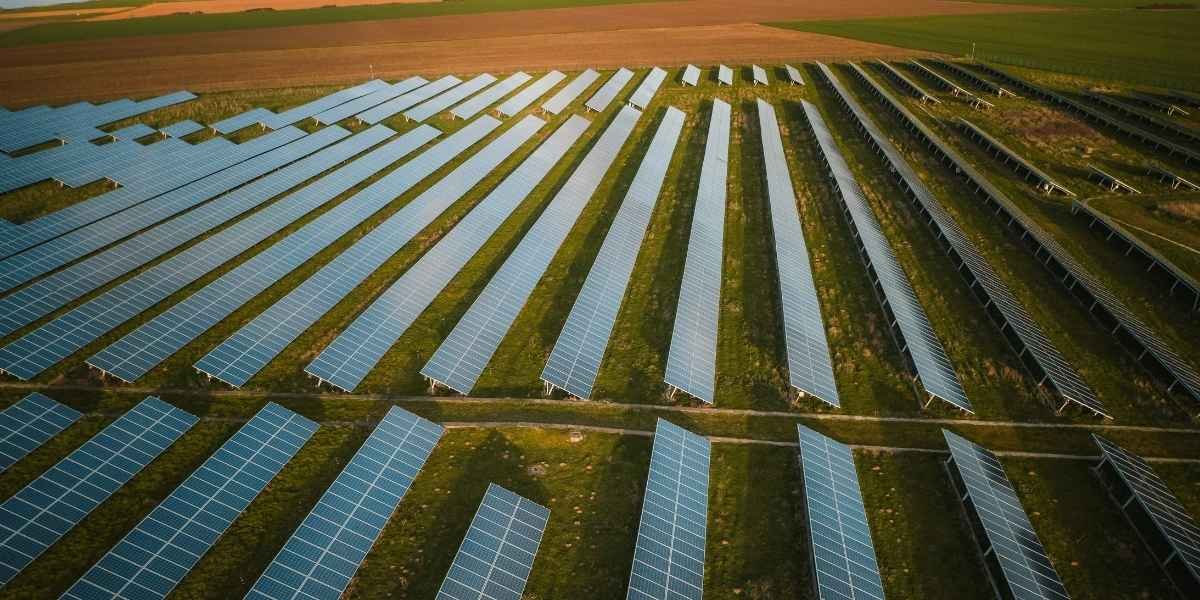
The proposal calls for ground-mounted solar panels and a battery storage facility. Project officials say the solar component could generate 150 megawatts, with output comparable to the annual electricity use of as many as 30,000 homes. That figure is an estimate, and production would depend on sunlight, equipment performance, transmission conditions, and grid demand.
Public descriptions indicate that about 30 percent of the site is active timberland. The remaining acreage is described as unused, although residents use portions for hunting and recreation.
Construction is expected to begin in early 2027 under the current schedule. The work could take 12 to 15 months, placing completion between mid and late 2028 if approvals, procurement, grid studies, and construction proceed as planned.
About 250 workers could be needed during construction. Permanent staffing is expected to be smaller after operations begin because operating solar sites generally require fewer employees.
The timing places Greenridge within a wider discussion about rising electricity use from population growth, industrial projects, and data center grid connections. Those pressures affect planning across Texas, although Greenridge would connect outside the ERCOT market serving most of the state.
Battery Storage Adds a Second Grid Role
Greenridge would connect to Southwest Power Pool, the regional transmission organization serving Marion County and parts of several central states. The distinction matters because most Texas power discussions focus on ERCOT, while northeastern portions of the state operate within a different system.
The battery facility would allow some electricity produced during stronger solar hours to be stored for later use. Stored power could be released when demand increases or solar output declines. Its operating value would depend on the battery system’s approved size, dispatch schedule, interconnection terms, and market conditions.
Pathway Power Director of Development Carly Keatts told the Marion County Commissioners Court that storage can support the system by “storing energy when demand is low and releasing it when there is a peak time.” She said that approach could help when electricity needs rise.
Battery storage does not remove the need for other power sources or transmission upgrades. Reliability depends on available generation, weather, equipment performance, transmission capacity, and real-time operating decisions. Storage adds flexibility as one part of a larger system.
The proposal arrives as Texas solar growth continues to reshape capacity planning. The U.S. Energy Information Administration reported that Texas represents 40 percent of utility-scale solar capacity planned nationally for 2026. Proposed projects can still be delayed, resized, or canceled.
County Tax Review Shapes the Local Debate
Pathway Power is seeking a property tax abatement from Marion County. An approved agreement could reduce certain county property taxes for a defined period, but it would not automatically eliminate every tax or public obligation connected to the development.
The request gives county officials a formal point for reviewing local financial terms. Commissioners may consider temporary construction activity, long-term taxable value, emergency response needs, road use, drainage, site restoration, and permanent staffing.
Residents may also focus on how the project would change land used for timber, hunting, and recreation. The final site plan would determine panel placement, access roads, fencing, drainage features, equipment areas, vegetation management, and the amount of land disturbed.
Because the project remains proposed, its cost, schedule, layout, and operating details could change before work begins. The tax request, grid connection process, procurement, and construction planning remain relevant to whether the development advances on its published timeline.
The East Texas solar project combines a large rural site, a 150-megawatt solar plan, battery storage, and a Southwest Power Pool connection. Its progress will depend on local review and technical milestones required before construction can start.
Frequently Asked Questions
What Is the Greenridge Energy Project?
The Greenridge Energy Project is a proposed solar and battery facility in Marion County. Pathway Power plans to build it on more than 2,000 acres south of Avinger and east of Johnson Creek Reservoir.
How Much Power Would the Project Generate?
The solar component is planned at 150 megawatts. Project officials estimate that its output could be comparable to the annual electricity use of up to 30,000 homes, although actual generation would vary.
When Could Construction Begin?
Construction is expected to begin in early 2027 and last about 12 to 15 months. The current schedule places completion between mid and late 2028, subject to approvals and other requirements.
Why Does the Project Include Battery Storage?
The battery system would store some electricity produced during stronger solar output and release it later. This could give grid operators added flexibility when demand rises or solar generation declines.
Where Would the East Texas Solar Project Connect?
The East Texas solar project would connect to Southwest Power Pool. That regional grid is separate from ERCOT, which manages electricity for most of Texas.
Disclaimer: This article is for general informational purposes only. References to potential economic, grid, or community effects should not be interpreted as guaranteed outcomes or as an endorsement of the project, Pathway Power, or any related entity.