Electrical safety is something most property owners think about only after something goes wrong. A flickering light, a warm outlet, or a breaker that keeps tripping is easy to dismiss until it points to a larger problem. For Texas homeowners and property managers, aging wiring, heavy seasonal demand on the grid, and the growing number of devices drawing power all raise the stakes. Paying attention to the warning signs early protects both people and property.
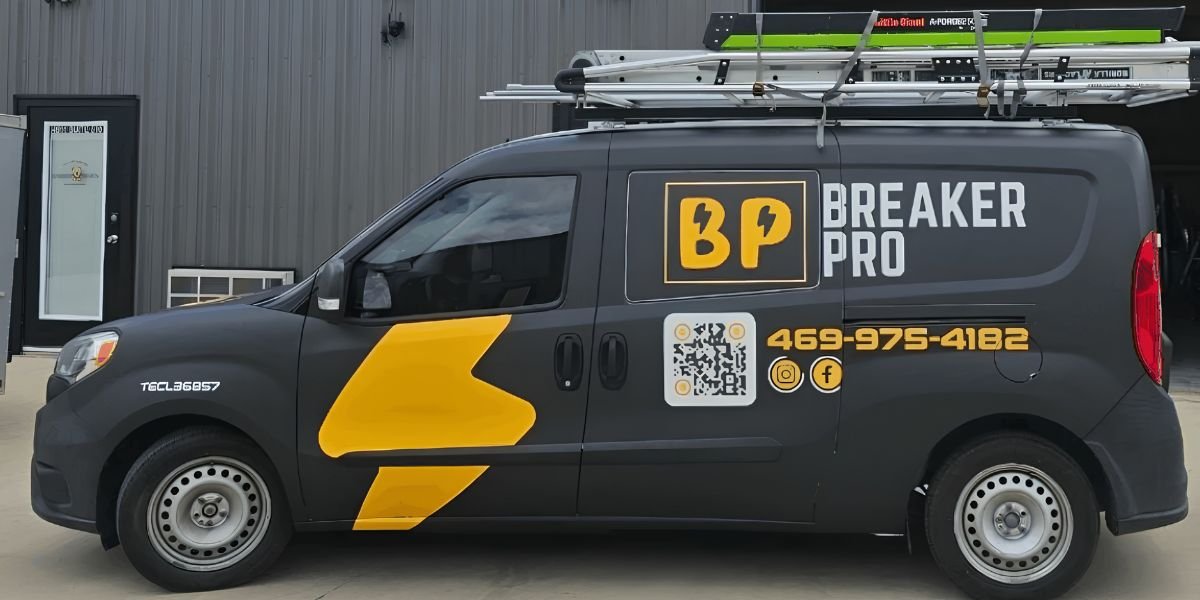
Across North Texas, Breaker Pro works with residential and commercial customers to keep electrical systems running safely and reliably. The company handles electrical repairs, installations, panel upgrades, generator solutions, troubleshooting, and ongoing maintenance. Its focus is practical: improving the safety, efficiency, and reliability of each property through professional work suited to how the building is actually used.
Recognizing Common Electrical Safety Risks at Home
Many electrical hazards develop quietly. An outlet that feels warm to the touch, a faint burning smell near a panel, or scorch marks around a receptacle all signal trouble that should never be ignored. These are among the clearest electrical safety warning signs, and they often mean a connection is loose or a circuit is overloaded.
Frequent breaker trips are another red flag. A breaker that shuts off repeatedly is doing its job, protecting the circuit from drawing more current than it can handle safely. The problem is what keeps causing it. Older homes built for a fraction of today’s electrical load can struggle under modern demand, and that strain shows up as nuisance tripping, dimming lights, and overheated wiring behind the walls.
Extension cords used as permanent wiring create their own dangers. When a room relies on power strips and daisy-chained cords, it usually means there are not enough outlets, and that workaround raises the risk of overheating. Addressing the root cause through proper outlet placement is a far safer approach than stretching a temporary fix into a long-term habit.
Why Power Reliability Matters in Texas
Reliability has become a central concern for property owners across the state. Severe weather, extreme heat, and periods of high grid demand can all lead to outages, and those interruptions carry real consequences. For a home, a long outage can spoil food, knock out climate control during dangerous temperatures, and disrupt anyone who depends on powered medical equipment.
For commercial properties and rental units, the stakes climb higher. A power failure can halt operations, compromise security systems, and leave tenants without essential services. Property managers responsible for multiple units have to think about reliability at scale, since a single fault can affect many people at once. Building electrical safety and resilience into the system reduces how often these disruptions happen and how severe they become.
Generator Preparedness and Backup Power
Standby and portable generators have become popular tools for managing outages, but they introduce safety considerations of their own. A generator connected improperly can backfeed electricity into power lines, creating a serious hazard for utility workers and anyone nearby. Proper installation, including a transfer switch sized for the property, keeps backup power isolated from the grid the way it should be.
Portable units require care too. Running a generator in an enclosed space risks carbon monoxide buildup, and overloading one can damage both the generator and the appliances connected to it. Thinking through generator preparedness before a storm season arrives, rather than during an emergency, gives property owners a backup plan they can rely on. Professional installation and a clear operating routine remove much of the guesswork and keep electrical safety at the center of the setup.
Common Electrical Upgrades for Texas Properties
As homes age and power needs grow, certain upgrades come up again and again. Panel upgrades are among the most common, because an outdated panel may lack the capacity to support central air conditioning, electric vehicle charging, and the many appliances a modern household runs at once. A panel that has reached its limit is both an inconvenience and a safety concern.
Other frequent improvements include adding ground fault and arc fault protection in areas where moisture or heat raises the risk of shock or fire, replacing worn wiring, and installing dedicated circuits for high-draw equipment. Surge protection at the panel level guards sensitive electronics against the voltage spikes that storms and grid fluctuations can cause. Each of these upgrades strengthens electrical safety while supporting the everyday reliability owners expect.
As the company describes it, “Safe and reliable electrical systems are one of the most important investments a property owner can make.” That perspective frames how upgrades are recommended, with attention to both immediate safety and the long-term performance of the system.
The Importance of Licensed Electrical Work
Electrical work is one area where doing it yourself rarely pays off. Faulty wiring can cause fires, electrocution, and code violations that surface during an inspection or a property sale. A licensed electrician understands local codes, pulls the proper permits, and performs work that holds up to scrutiny and time.
For property managers, licensed work carries added weight. Documented, code-compliant repairs and installations protect against liability and give tenants confidence that the building is being maintained responsibly. Choosing a qualified contractor is one of the most direct ways to uphold electrical safety across a portfolio of properties.
For homeowners and property managers across North Texas, the foundation of a dependable system comes down to a few steady habits. Watch for early warning signs, schedule regular maintenance, plan for outages before they happen, and bring in licensed professionals for the work that matters most. Treating electrical safety as an ongoing priority, rather than a reaction to the next problem, helps protect both the people inside a property and the investment the property represents.