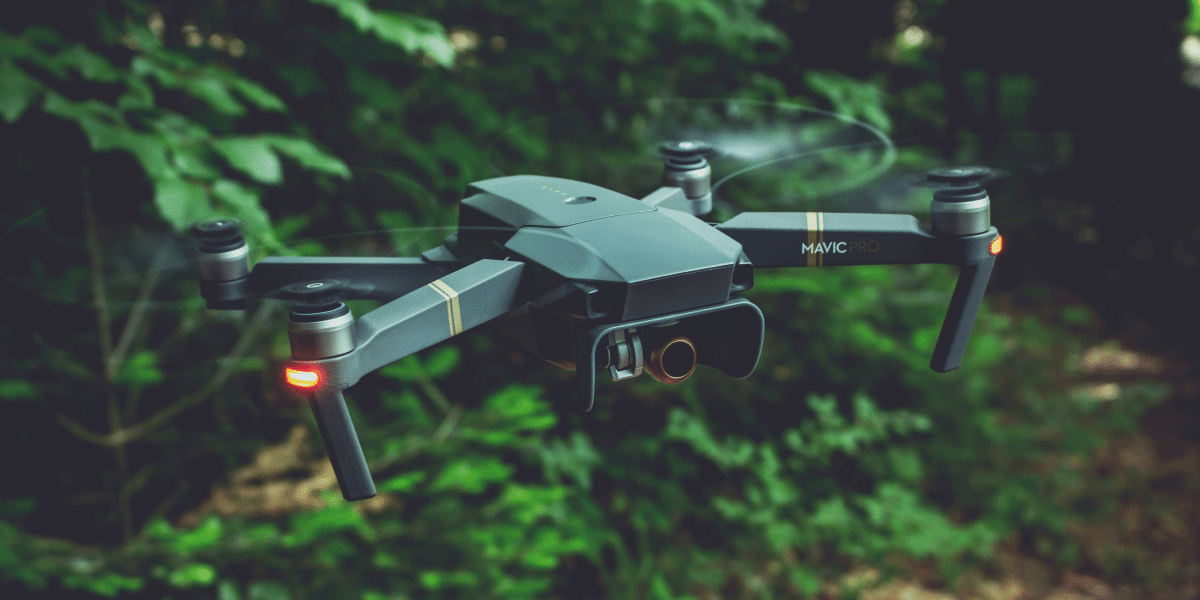
Drones have moved beyond hobbyist gadgets to become valuable tools across many Texas industries. From agriculture to energy, these flying devices provide new ways to solve old problems while creating opportunities for businesses and communities. The Lone Star State’s diverse landscape and industries make it an ideal testing ground for drone technology applications.
Read also: Finding Balance: Practical Strategies for Working Mothers
Drones in Texas Agriculture and Land Management
Farmers and ranchers across Texas have adopted drone technology to improve operations and reduce costs. Large agricultural operations use drones equipped with special cameras to monitor crop health from above. These cameras can detect problems invisible to the naked eye, showing which parts of a field need more water or fertilizer. This precision approach helps conserve resources while maintaining healthy yields.
Cattle ranchers find drones particularly useful for monitoring herds across vast properties. Instead of spending hours checking fences or searching for animals on horseback or ATVs, ranchers can quickly scan pastures from above. Thermal imaging cameras help locate animals at night or in thick brush. Some ranchers even use drones to check water troughs and feed supplies across thousands of acres.
In land management, drones help with wildfire prevention and control. Fire departments use them to monitor high-risk areas and assess active fires without putting personnel in danger. After disasters like hurricanes, drones provide rapid damage assessments to help prioritize response efforts. Conservation groups also employ drones to track wildlife populations and monitor habitat changes.
Energy Industry Applications Across Texas
The energy sector has embraced drone technology for inspecting infrastructure and improving safety. Oil and gas companies use drones to check pipelines, storage tanks, and drilling sites. These inspections can identify maintenance issues or potential leaks without requiring workers to climb tall structures or enter confined spaces. The detailed images and data collected help prevent accidents and reduce downtime.
Wind farm operators along the Texas coast and panhandle rely on drones to inspect turbine blades. Traditional inspections required stopping turbines and using ropes or cranes to reach the blades. Drones can capture high-resolution images of blades while they’re spinning, revealing cracks or erosion that need attention. This approach keeps turbines generating power while ensuring necessary maintenance gets done.
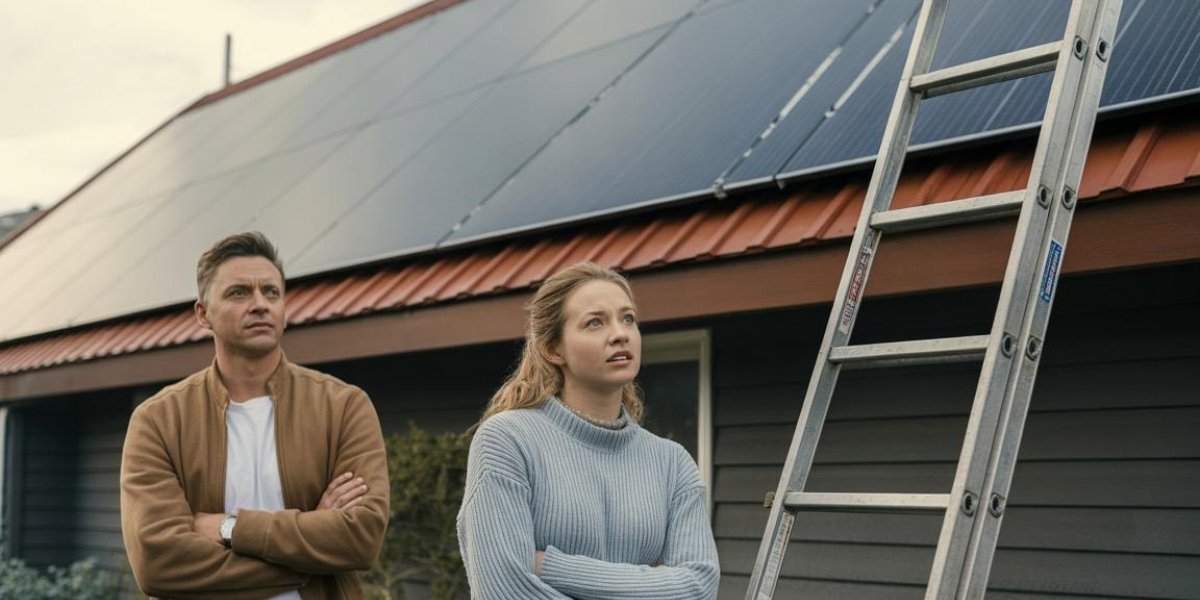
Solar farms also benefit from drone technology. Regular aerial surveys can detect dirty or underperforming panels across large installations. Some companies use drones equipped with cleaning systems to maintain panels without water or manual labor—an important advantage in drought-prone areas. The data collected helps optimize panel placement and identify shading issues that reduce efficiency.
Emerging Uses and Future Potential
Beyond these established applications, Texas serves as a testing ground for new drone uses. Several cities have pilot programs exploring drone delivery of medical supplies to rural areas. Universities research how drones might assist with search and rescue operations in rough terrain. Some law enforcement agencies carefully evaluate drones for traffic monitoring and accident reconstruction.
The commercial photography and real estate industries continue finding innovative drone applications. Construction companies use drone footage to track project progress and create marketing materials. Homebuilders and realtors utilize aerial photography to showcase properties and neighborhoods. These visual tools help clients understand spaces and layouts better than traditional ground-level photos.
Texas faces unique regulatory challenges as drone use expands. The state’s mix of urban centers, rural areas, and military installations requires careful coordination of airspace. Various industries work with aviation authorities to develop safety protocols that allow drone operations without interfering with traditional aircraft. These efforts help balance innovation with public safety as technology advances.
Drone technology continues evolving rapidly, with new sensors, longer flight times, and improved data processing capabilities. Texas provides an ideal environment for developing and testing these advancements due to its size, varied geography, and business-friendly climate. As costs decrease and capabilities increase, more small businesses and organizations will likely adopt drone technology for everyday operations.
The growth of drone-related education and training programs across Texas indicates the technology’s staying power. Community colleges offer certification courses for drone pilots, while universities incorporate drone data collection into fields like environmental science and engineering. This educational infrastructure helps create skilled workers to support expanding industry needs.
Looking ahead, drones will likely become more autonomous and specialized for specific tasks. Swarms of small drones working together could perform large-scale surveys or inspections more efficiently. Improved battery technology may enable longer flights over greater distances. As artificial intelligence advances, drones may analyze data in real time during flights rather than just collecting information for later review.
For Texas businesses considering drone adoption, the key is identifying specific problems the technology can solve. The most successful implementations address clear operational challenges rather than just adopting the latest gadget. With careful planning and proper training, drones can become valuable tools that save time, reduce costs, and improve safety across many industries.
As regulations adapt to accommodate new uses while ensuring public safety, Texas appears poised to remain at the forefront of commercial drone applications. The state’s combination of traditional industries and technological innovation creates fertile ground for developing practical solutions that could influence drone use nationwide. Whether on farms, job sites, or disaster zones, drones are proving their worth as more than just flying cameras—they’re becoming essential tools for modern Texas industries.
Read also: Simple Ways to Stop Putting Off Studying and Manage Time Better