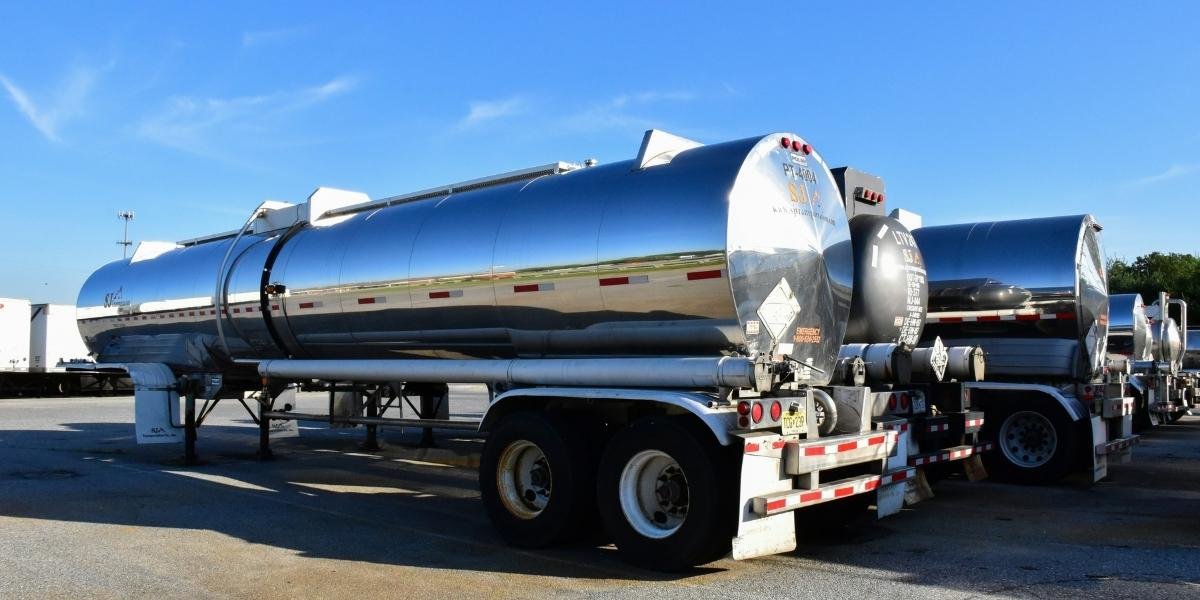
A major tanker explosion unfolded in the Fort Worth area during the early morning hours of Sunday, April 5, 2026, after a gasoline tanker collided with another vehicle near the intersection of Trinity Boulevard and Texas 360. Authorities confirmed the tanker was transporting approximately 9,000 gallons of fuel when it veered off the roadway, striking overhead power lines.
The impact caused electrical sparks that ignited the leaking gasoline, resulting in a massive fire that rapidly engulfed the vehicle. Flames intensified within minutes, producing thick, black smoke visible for miles across the Metroplex. By Monday, April 6, emergency officials were still managing the scene to ensure the site was secure for investigators and utility crews.
The crash occurred in a heavily traveled corridor that connects commercial and industrial zones, increasing the urgency of the response due to the proximity of nearby infrastructure and businesses.
Emergency Crews Contain Fire Amid High-Risk Conditions
First responders arrived within minutes of the tanker explosion and began coordinated firefighting efforts to prevent the blaze from spreading. Fire crews worked for several hours to bring the fire under control, using sustained water streams to cool surrounding structures and contain the burning fuel.
Authorities confirmed that the tanker driver was rescued from the vehicle and transported to a nearby hospital in critical condition with severe burn injuries. No other injuries were reported.
Officials noted that the fire posed a significant hazard due to the volume of gasoline involved. Crews focused on isolating the fire zone and preventing the flames from reaching nearby commercial properties, including a gas station located within close range of the crash site.
Hazardous materials teams were deployed to manage the fuel spill and reduce the risk of further ignition. Their efforts included securing the affected area and monitoring conditions to ensure the fire did not reignite.
Power Lines Downed as Tanker Explosion Disrupts Infrastructure
The tanker explosion caused damage to multiple power lines after the vehicle struck utility infrastructure during the crash. As a result, sections of the surrounding area experienced temporary power disruptions while crews worked to assess and repair the damage.
Utility teams were dispatched alongside emergency responders to restore service and secure downed lines. The incident highlighted how collisions involving hazardous cargo can quickly impact essential infrastructure, particularly when occurring near utility corridors.
Authorities prioritized restoring electricity to affected areas while maintaining safety protocols due to the ongoing fire risk and unstable conditions at the crash site.
Traffic Closures and Business Interruptions Reported
The tanker explosion forced the closure of key roadways, including portions of Texas 360 and Trinity Boulevard, as emergency crews secured the scene. Traffic was diverted to alternate routes, leading to congestion across nearby corridors during peak commuting hours.
Businesses in the immediate vicinity temporarily halted operations as a precaution while authorities established a safety perimeter. Access to commercial areas was restricted during the response and cleanup phases, affecting deliveries and routine operations.
Transportation officials confirmed that the incident caused delays for freight movement in the area, as trucks were rerouted away from the impacted zone. The disruption underscored the broader logistical effects of hazardous material incidents in urban transport networks.
Investigation Underway Into Cause of Tanker Explosion
Authorities have launched an investigation into the tanker explosion, focusing on the circumstances leading to the crash. Initial reports indicate that the tanker struck another vehicle before leaving the roadway and colliding with power lines.
Investigators are reviewing multiple factors, including road conditions, vehicle operation, and compliance with safety regulations governing the transport of hazardous materials. Officials have not released the identity of the driver and have not confirmed whether mechanical issues or human factors contributed to the incident.
The investigation remains ongoing as agencies work to determine the sequence of events and identify any contributing causes.
Cleanup Efforts Continue as Fort Worth Recovers
Following containment of the tanker explosion, cleanup crews remained on site to remove debris and address residual fuel on the roadway. Damaged pavement and utility infrastructure required further assessment before the area could fully reopen.
Authorities confirmed that crews continued to monitor the site to ensure no remaining hazards were present. By later in the day, progress had been made in restoring normal traffic flow and stabilizing the area.
The incident left visible damage at the crash location, including scorched pavement and compromised utility structures, reflecting the intensity of the fire and the scale of the emergency response.
Tanker Explosion Highlights Risks of Fuel Transport in Urban Areas
The tanker explosion has drawn attention to the risks associated with transporting large volumes of fuel through densely developed areas. Officials emphasized that fuel-related fires can escalate rapidly, requiring coordinated response efforts to prevent wider damage.
Emergency management teams noted that preparedness and rapid response played a critical role in limiting the impact of the incident. The ability to contain the fire and prevent further spread helped reduce the potential for additional injuries and structural damage.
As investigations continue, the incident serves as a reminder of the importance of safety protocols and infrastructure resilience when hazardous materials are transported through major urban corridors.