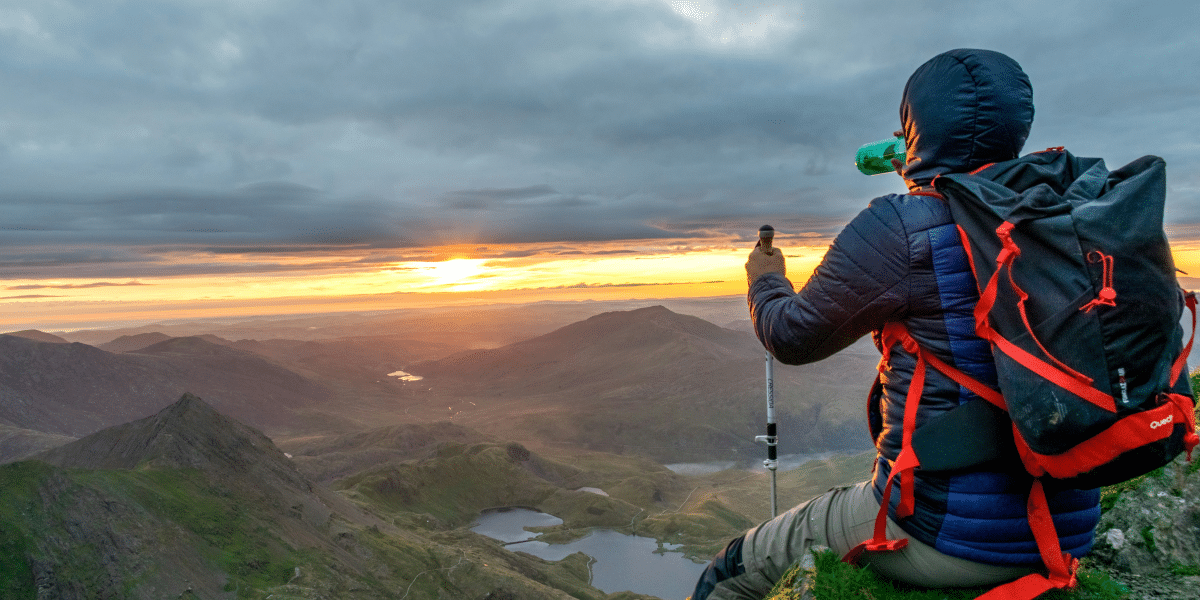
Hiking is a beloved pastime, offering not only a physical challenge but also a chance to reconnect with nature. However, even the most seasoned hikers can fall prey to some common pitfalls. As you accumulate experience and confidence on the trails, it’s easy to overlook important details that can lead to serious consequences. Whether you’re a seasoned hiker or have miles of trails under your belt, these are some of the hiking mistakes and how to avoid them.
Overconfidence in Trail Familiarity
One of the biggest traps experienced hikers fall into is overconfidence. With a trail you’ve hiked numerous times, you might feel there’s no need to check the weather forecast, research the trail conditions, or carry a detailed map. After all, you know the path like the back of your hand. However, this overconfidence can be dangerous.
Weather conditions can change rapidly, especially in mountainous regions. A trail that is easy in dry conditions can become treacherous when wet, icy, or snowy. Assuming you know the trail well and can handle any challenges it throws at you can lead to serious accidents. Even if you’ve hiked a trail multiple times, always check the latest reports and carry a map and compass—or a GPS device—in case the path becomes obscured or you lose your way. Remember, nature is unpredictable, and no two hikes are ever truly the same.
Another aspect of overconfidence is underestimating the amount of time a hike will take. Even on familiar trails, fatigue, unexpected obstacles, or changes in your fitness level can slow you down. Never assume that a hike will take the same amount of time it has in the past, and always give yourself extra time to complete the trail before dark. Overestimating your speed can leave you stranded, exhausted, and without proper light or supplies.
Neglecting Proper Hydration and Nutrition
It’s surprising how many experienced hikers still make mistakes when it comes to hydration and nutrition. Often, seasoned hikers carry only a small amount of water, assuming they can complete the trail without refilling. Similarly, many bring insufficient food, thinking they can power through without refueling properly. These mistakes can quickly turn a pleasant hike into a dangerous situation.
Dehydration is one of the most common issues on the trail, and it can sneak up on you faster than you think. Even if you don’t feel thirsty, your body may be losing fluids rapidly, especially in hot or dry conditions. Always carry more water than you think you’ll need, and be aware of water sources along your route. Consider bringing a water filter or purification tablets in case you need to refill from a natural source.
Nutrition is equally important. Hiking is a strenuous activity that burns a significant number of calories, and failing to replenish your energy levels can lead to exhaustion, dizziness, and poor decision-making. Pack high-energy snacks like nuts, dried fruit, and energy bars, and eat regularly, even if you don’t feel hungry. One common mistake is neglecting foot care; always look after your feet to avoid injuries that could cut your hike short. By properly fueling your body and keeping hydrated, you’ll maintain your energy levels and enjoy your hike to the fullest.
Skipping Post-Hike Recovery
After a long hike, it’s easy to collapse into your car or tent and forget about the importance of recovery. However, skipping post-hike recovery is one of the mistakes experienced hikers make. Just because the hike is over doesn’t mean your body doesn’t need attention. Failing to cool down properly, stretch, and refuel can lead to sore muscles, stiffness, and even injuries that could keep you off the trails for days or weeks.
Stretching is critical after a hike, especially for your legs and lower back, which bear the brunt of the physical activity. Taking just 10-15 minutes to stretch out your muscles can prevent stiffness and help your body recover faster. Focus on your calves, hamstrings, quadriceps, and lower back, holding each stretch for at least 30 seconds.
Refueling your body with the right nutrients is just as important. After a strenuous hike, your body needs protein to repair muscle tissue and carbohydrates to replenish glycogen stores. A balanced meal or snack within an hour of finishing your hike can make a huge difference in how you feel the next day. Don’t forget to hydrate as well; your body continues to lose fluids even after you’ve stopped exerting yourself.
Lastly, pay attention to your feet. Remove your boots or shoes as soon as possible, clean your feet, and check for any blisters or hot spots. Neglecting foot care post-hike can lead to problems on your next adventure, so be sure to look after them.
No matter how experienced you are, these top hiking mistakes and how to avoid them should be top of mind every time you head out on the trail. By staying vigilant, properly preparing, and caring for your body, you can enjoy every hike safely and make the most of your time in the great outdoors.
Published By: Aize Perez