By: Matthew Kayser
The gap between a close call and a serious crash on a North Texas road is often smaller than it looks.
Most people in Dallas-Fort Worth have had at least one moment behind the wheel where something moved in front of them faster than expected.
A pedestrian mid-crossing who wasn’t there a second earlier. A cyclist appearing in the periphery as a turn begins. These moments don’t always end badly, but they’re reminders of how thin the margin can be. The Texas Department of Transportation found that pedestrians accounted for 19% of Texas roadway fatalities in 2024, a striking figure given that pedestrians are involved in only about 1% of traffic crashes overall.
Organizations such as Lone Star Injury Attorneys see those statistics up close, and that context matters when thinking about prevention. Driver inattention, speed, and failures to yield from both sides of the crossing are consistently identified as leading causes.
Southern Dallas as a Case Study
Loop 12 has long had a reputation for being difficult to navigate on foot. Residents in the surrounding communities knew it and pushed for change. NBC 5 Dallas-Fort Worth reported in November 2025 that new crosswalks and traffic signs were going in along the southern Dallas corridor as part of a larger safety effort.
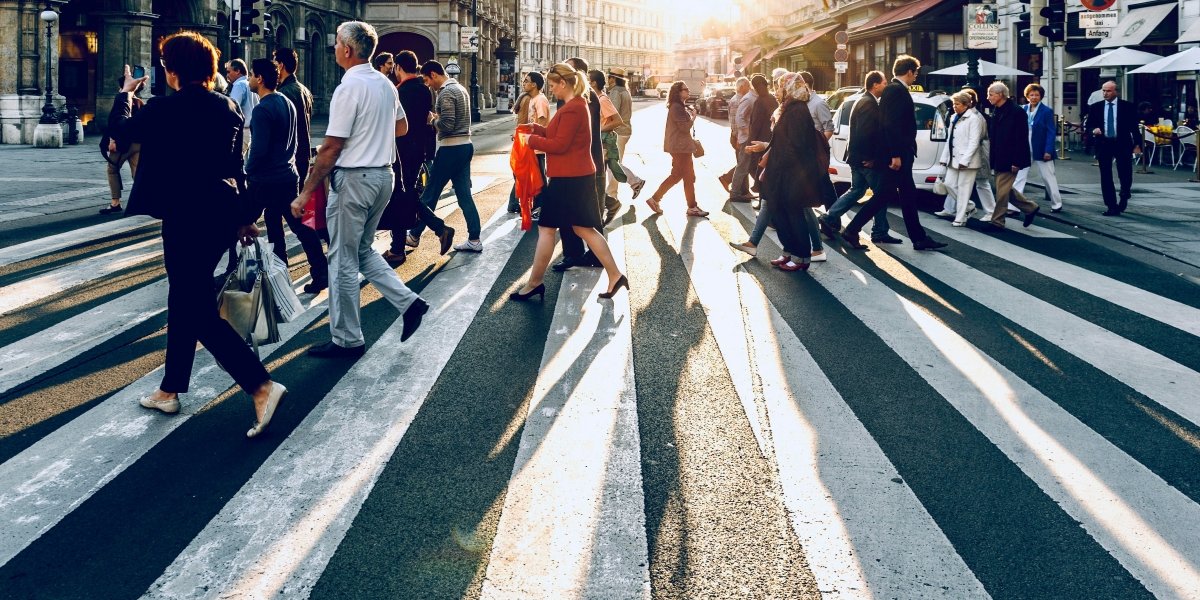
It’s a concrete example of what targeted infrastructure can accomplish. New signage and marked crossings don’t solve everything, but they do something important: they create predictability. Drivers know where to look. Pedestrians have a defined place to cross. That shared understanding makes their interaction less improvised.
The lesson that applies beyond Loop 12 is that many dangerous stretches of road can be improved without a full redesign. Visibility, signage, and crossing placement are adjustable.
Speed Changes Everything About Reaction Time
A lot of road safety advice centers on speed, and for good reason. The faster a vehicle is moving, the less time the driver has to do anything useful when something unexpected appears. A few extra miles per hour can mean the difference between a stop and an impact.
This is especially true in areas where pedestrians are likely to be present, such as near schools, shopping areas, transit stops, and residential streets with constant foot traffic.
What Drivers Often Can’t See
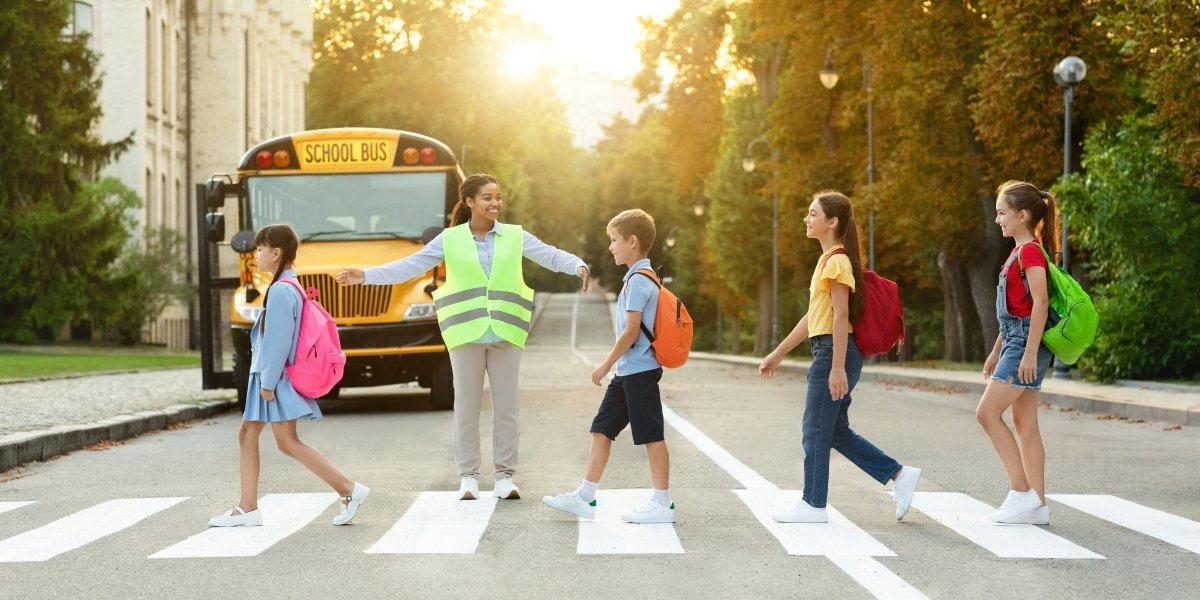
Visibility is unpredictable in ways that drivers don’t always account for. A stopped bus blocks what’s on the far side. Parked trucks pull the eye away from the curb. Glare at dusk makes crosswalks invisible for a few seconds. TxDOT specifically flags stopped vehicles as a hazard because a pedestrian crossing behind one cannot be seen until it’s almost too late.
Pickup trucks and large SUVs add another layer to this. TxDOT advises drivers to be especially careful because of front blind spots that can conceal a pedestrian who is very close to the vehicle, a risk that’s easy to underestimate.
Small Habits That Actually Help
Drivers can do their part by scanning the full intersection before turning, not just the obvious lane. Put the phone down completely, not just on the seat. Give pedestrians the right of way when required rather than timing the gap. Slow down near schools and bus stops even when nothing looks different.
Pedestrians and cyclists should use crosswalks and bike lanes where they exist, make eye contact with drivers before stepping off a curb when possible, stay off headphones in busy areas, and don’t assume a driver who is technically supposed to yield has actually seen you.
After a Serious Incident
Medical attention comes first. After that, documenting the scene and preserving records, photographs, witness contact information, and any relevant insurance details gives people better footing as they work through what comes next. Incidents involving injuries generate paperwork and questions quickly, and having organized records matters.
Frequently Asked Questions
What Factors Commonly Contribute To Pedestrian Crashes In Texas?
Driver inattention, speeding, and failures to yield contribute to pedestrian crashes in Texas.
How Can Crosswalks And Traffic Signs Make Busy Roads Safer?
Clearly defined crossings and signs can make road-user movements more predictable and alert motorists to areas where pedestrians may be present.
How Can North Texas Drivers Improve Pedestrian Safety?
North Texas drivers can do their part by maintaining appropriate speeds, eliminating phone distractions, scanning before turning, yielding when required, and watching carefully around stopped vehicles.
Why Can Pickups And Suvs Create Additional Pedestrian Visibility Concerns?
Larger vehicles often have front blind spots that make nearby pedestrians more difficult for drivers to see.
Disclaimer: This article is for general informational purposes only and does not constitute legal advice. Readers should consult a qualified attorney regarding their individual circumstances.