Melbourne, Australia, is a city where history and modernity converge, creating an architectural landscape that is both diverse and captivating. From its Victorian-era buildings to cutting-edge contemporary structures, Melbourne’s architecture offers a unique lens through which to explore the city. Whether you’re a design enthusiast or simply looking for things to see in Melbourne, Australia, this guide will take you through some of the city’s most remarkable buildings, each telling a story of the past, present, and future.
Victorian Grandeur: Exploring Melbourne’s Historical Icons
Walking through Melbourne, it’s impossible not to be struck by the grandeur of its Victorian architecture. These structures, built during the gold rush era of the 19th century, reflect a time of prosperity and ambition. The Royal Exhibition Building is perhaps the crown jewel of this period. Completed in 1880, it is one of the oldest remaining exhibition pavilions in the world and has been designated a UNESCO World Heritage site. The building’s intricate façade and expansive gardens transport you back to an era of opulence and grandeur.
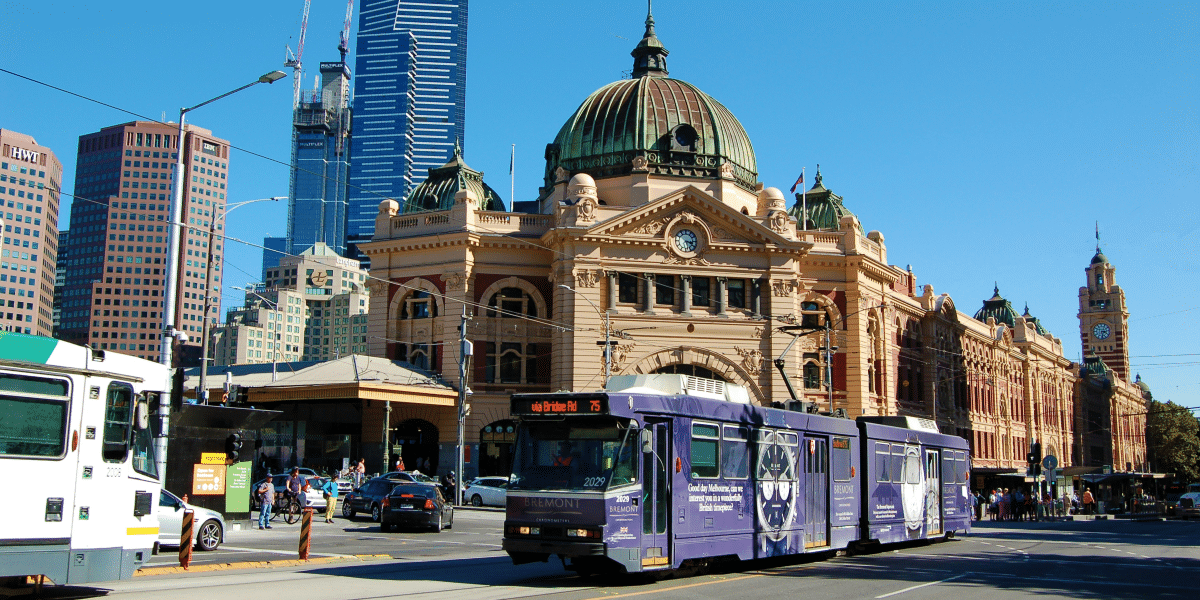
Another must-see is Flinders Street Station, a quintessential example of Edwardian Baroque architecture. Opened in 1910, it remains one of the busiest railway stations in the Southern Hemisphere. Its iconic yellow facade and green copper dome are instantly recognizable, making it a favorite spot for both locals and tourists. The station’s interior, with its grand hallways and vintage charm, is a reminder of a time when railway travel was the epitome of sophistication.
For those interested in civic architecture, the Melbourne Town Hall is another gem. Completed in 1870, this building has been the site of many significant events in Melbourne’s history, including concerts, exhibitions, and civic functions. Its Renaissance Revival style, characterized by ornate detailing and an imposing clock tower, is a testament to the city’s aspirations during the late 19th century.
Modern Marvels: Melbourne’s Contemporary Architectural Icons
While Melbourne’s historical architecture is undoubtedly impressive, the city’s commitment to modern design is equally remarkable. The Eureka Tower, standing at 297 meters, is one of the tallest residential buildings in the world and a symbol of Melbourne’s skyline. Completed in 2006, the tower’s sleek design and distinctive gold crown are a nod to the city’s gold rush history. Visitors can take in breathtaking views of the city from the Skydeck on the 88th floor, making it one of the top things to see in Melbourne.
Another striking example of contemporary architecture is the Federation Square. Opened in 2002, this cultural precinct is a hub of activity featuring a unique blend of art galleries, restaurants, and public spaces. The design of Federation Square is bold and unconventional, characterized by its deconstructivist style, with fragmented forms and irregular shapes. The building’s exterior, clad in a geometric pattern of sandstone, zinc, and glass, is as much a work of art as the exhibits housed within its galleries.
The Melbourne Recital Centre and the neighboring Southbank Theatre are also noteworthy for their architectural innovation. The Recital Centre’s façade, inspired by the patterns of sound waves, is a stunning example of how form and function can intersect in architecture. The interior is equally impressive, designed to provide exceptional acoustics for performances. Together with the Southbank Theatre, these buildings contribute to Melbourne’s reputation as a cultural capital.
A Walk Through Time: Discovering Melbourne’s Architectural Diversity
Melbourne’s architectural landscape is not limited to just historical and modern structures; it’s a vibrant mix of styles that span different periods and influences. The Block Arcade, for example, is a Victorian-era shopping arcade that has been meticulously preserved, offering a glimpse into the city’s past. With its mosaic-tiled floors, stained glass windows, and wrought-iron detailing, the arcade is a testament to the craftsmanship of the 19th century and remains a popular spot for both shopping and sightseeing.
In contrast, the Docklands area showcases Melbourne’s push towards futuristic urban design. This waterfront precinct, developed in the early 21st century, features a collection of sleek, high-rise buildings, public art installations, and modern recreational spaces. The Melbourne Star Observation Wheel, one of the key attractions in Docklands, provides panoramic views of the city and is a prime example of contemporary urban planning.
Walking through Melbourne, it’s easy to see how the city’s architecture reflects its evolution from a colonial outpost to a modern metropolis. From the historical significance of the Royal Exhibition Building to the cutting-edge design of Federation Square, Melbourne’s buildings tell a story of a city that is constantly reinventing itself. For those planning a visit, look no further than Melbourne Coach Company for your travel arrangements, they ensure that you have the flexibility to explore the city’s architectural wonders at your own pace.
Whether you’re admiring the Victorian grandeur or marveling at the modern skyscrapers, Melbourne’s architecture offers a rich tapestry of sights that are sure to captivate any visitor.
With so many things to see in Melbourne, Australia, the city’s buildings are more than just structures—they are a window into the city’s soul, offering insights into its history, culture, and future aspirations.
Published by: Holy Minoza