By: Allison Moreland
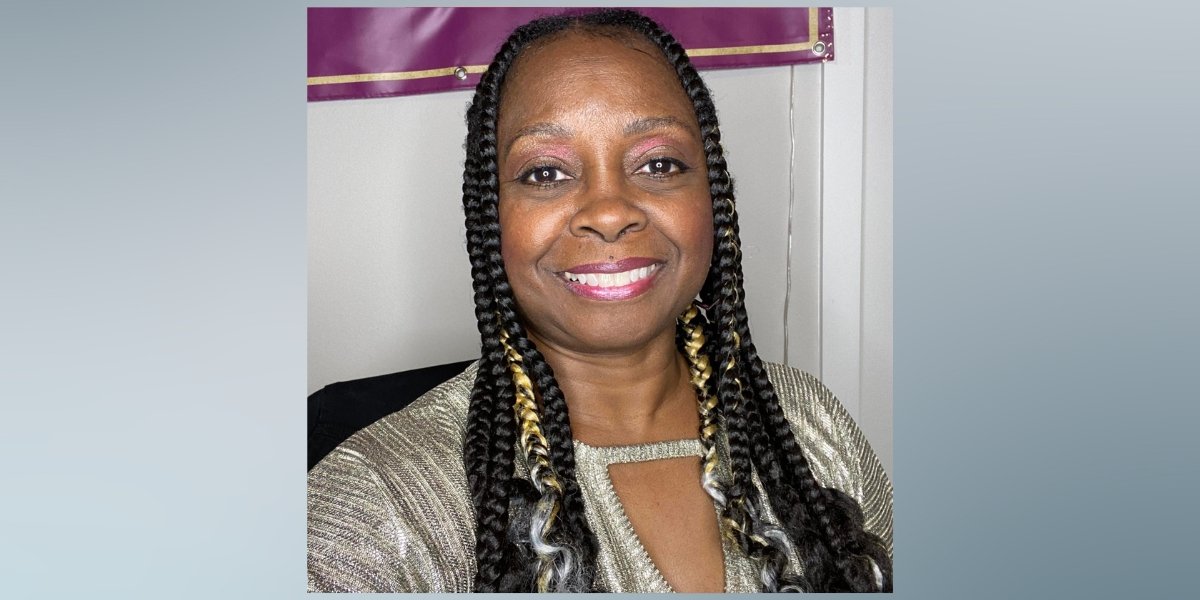
When Mildred Batts, known to many as the Original “Milli Mills,” reflects on her journey into radio, her words carry the weight of both history and hard-won progress.
“I came into radio in the mid-80s when the door wasn’t just closed to women like me, it was barely acknowledged we were even knocking… We weren’t just fighting for airtime, we were carving out space for the next generation to walk in with confidence, not permission.”
For women in radio, particularly minority women, her story is not just personal. It’s emblematic of an era when talent alone wasn’t enough; access, equity, and recognition were constant battles.
Breaking Through Barriers in a Closed Room
Entering the industry in the 1980s, Milli Mills found herself in a space where representation was scarce and opportunity even scarcer. As she puts it, the challenge wasn’t just about being heard. It was about being respected, compensated fairly, and given room to grow.
Armed with a degree in Speech and Theater from the University of Arkansas at Pine Bluff, she stepped into broadcasting with determination. Often the only woman in the room, she leaned into preparation, consistency, and an unshakable belief in her value, qualities that would define her career for decades to come.
Her voice soon became a familiar presence across Arkansas, Memphis, and Texas, building a loyal audience and establishing her reputation as a dynamic radio personality. By 1992, she was already being recognized as a Radio Program Director of the Year nominee, an early signal that her influence was undeniable.
A Career That Expanded Beyond the Mic
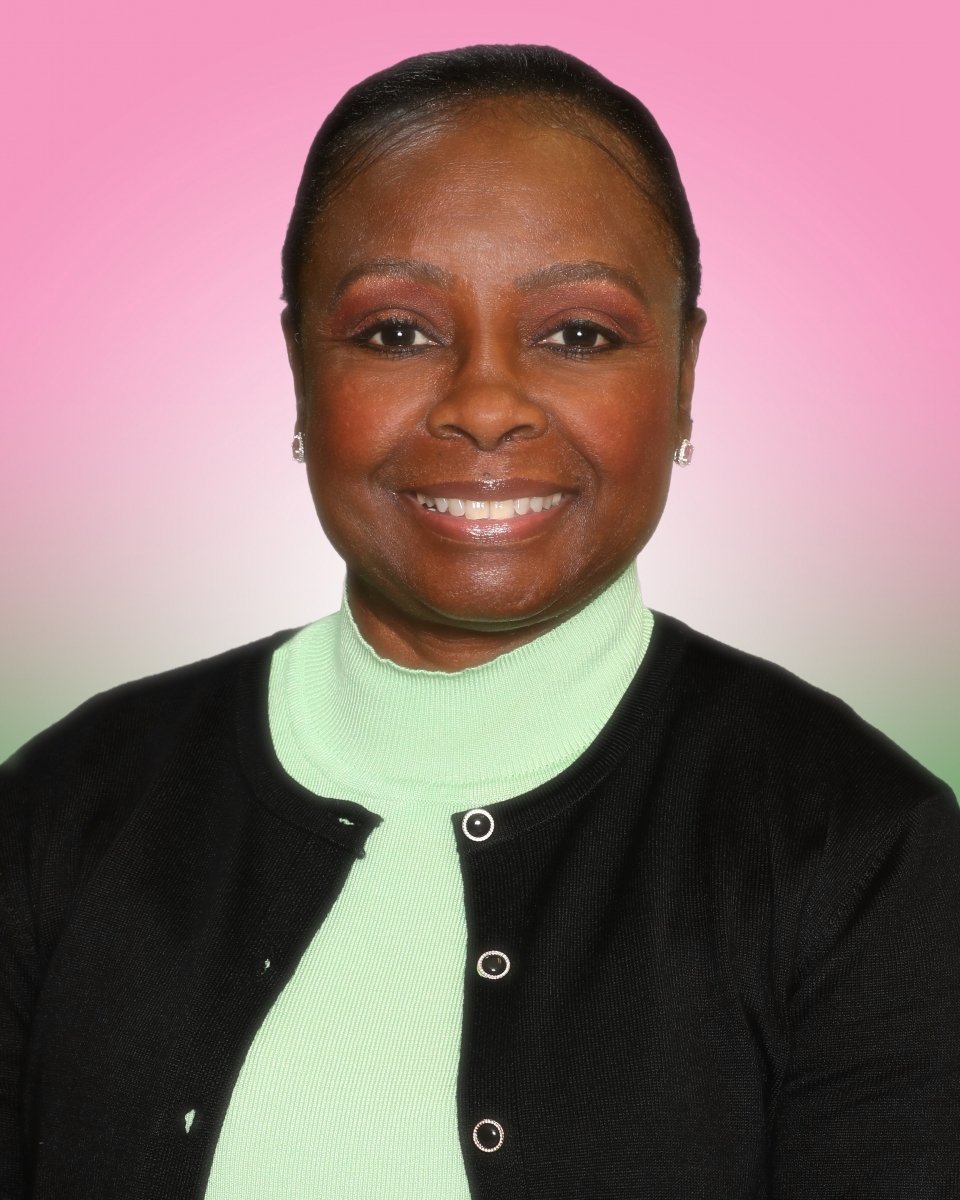
Milli Mills didn’t just stay in one lane. Over the years, she evolved into a multi-hyphenate creative, taking on roles as an author, actress, voice-over artist, and entrepreneur. From her time with ABC Radio Networks (2002–2011) to being recognized by Ebony Magazine as one of the Top 25 “Most Successful Black Female Singles” in America, her career reflects both versatility and longevity.
Yet, even with national recognition, her focus has remained rooted in community impact.
As the founder of Millhouse Entertainment, a 501(c)(3) nonprofit dedicated to youth arts development, Mills has invested her experience into nurturing the next generation of creatives. It’s a natural extension of the work she began decades ago, creating access where it didn’t previously exist.
Creating Space in the Digital Era
In 2020, during a time when connection and storytelling felt more essential than ever, Mills launched her podcast, Bring It In the House. What began as a vision quickly became a platform for authentic dialogue.
“This show is truly my heart work,” she shares.
Airing weekly, the podcast delivers what she calls a “M.E.A.L. of inspiration,” bringing together musicians, entertainers, artists, and leaders to share the stories behind their success. With over 8,000 downloads and a growing global audience, the show continues to amplify voices that might otherwise go unheard.
In many ways, it represents a full-circle moment: a woman who once fought to be heard now ensures others never have to fight alone.
Legacy and Impact
Today, Milli Mills stands as more than a veteran broadcaster. She is a blueprint. Her journey illustrates the evolution of women in radio, from exclusion to influence, from silence to storytelling power.
Her recognition as one of Fort Worth’s Most Fascinating Blacks and praise from outlets like PodStars Magazine only reinforce what those in the industry already know: her impact is both cultural and enduring.
But perhaps her greatest legacy isn’t found in accolades. It’s in access.
Because of pioneers like Milli Mills, the next generation of women in radio and media enters the room differently. Not as outsiders hoping to be acknowledged, but as voices expected to be heard.
And that, as she made clear, was always the goal.