Netflix is bringing America’s Sweethearts: Dallas Cowboys Cheerleaders back for a third season on June 16, placing the Dallas Cowboys Cheerleaders back at the center of one of the streamer’s closely watched sports entertainment docuseries.
The new season is set to run across seven episodes and follows the 2025 to 2026 squad from auditions through training camp and into the football season. The format gives viewers another look at the selection process behind a team known for public performances, precision routines, and a long running place in the Dallas Cowboys brand.
The return gives Netflix a clear summer television hook. The series does not rely only on game day footage or familiar football imagery. Its attention stays on the dancers, the standards they are asked to meet, and the decisions that shape the final roster. That approach helped the first two seasons move beyond a sports audience and reach viewers interested in performance, discipline, workplace pressure, and the cost of earning a visible role.
Season three arrives with senior director Kelli Finglass and head choreographer Judy Trammell again guiding the process. Their presence gives the series continuity, since both have been central to how the show presents auditions, corrections, rehearsals, and final decisions. The new episodes are expected to show returning veterans and rookie candidates working through a process built around technique, appearance standards, stamina, and consistency.
A Narrower Roster Fight Gives Season Three Its Hook
The third season has a sharper built in storyline because only a small number of spots were open for the new team. That detail gives the audition process a tighter frame and places added pressure on every stage of training camp.
For rookie hopefuls, the path is not only about standing out. The series has shown that candidates must adjust quickly, take direction under scrutiny, and fit into a group where precision matters as much as individual ability. A dancer can be technically strong and still face questions about style, timing, endurance, or how well she matches the team’s visual standard.
For returning veterans, the challenge is different. Past experience can help, but it does not remove the need to prove readiness again. The show has often presented the roster process as a year to year evaluation rather than a simple continuation. That gives season three room to follow both new candidates chasing a first uniform and veterans trying to protect their place on the field.
Public roster reporting has identified six rookies tied to the 2025 to 2026 team: Brenley Herrera, Faith Ward, Jenna Waller, Madeline Unger, Morgan Perschy, and Parker Kilpatrick. Their addition gives the season a fresh group of personal arcs while allowing returning performers to carry forward storylines from earlier episodes.
Jenna Waller may draw added attention from viewers who followed the previous season. She was previously shown as a candidate who came close to making the team before being cut. Her return gives season three a clear comeback thread without needing to overstate the moment. It also gives the series a recognizable example of how a rejection in one year can become part of a longer path.
The Series Keeps Its Focus On Work Behind The Uniform
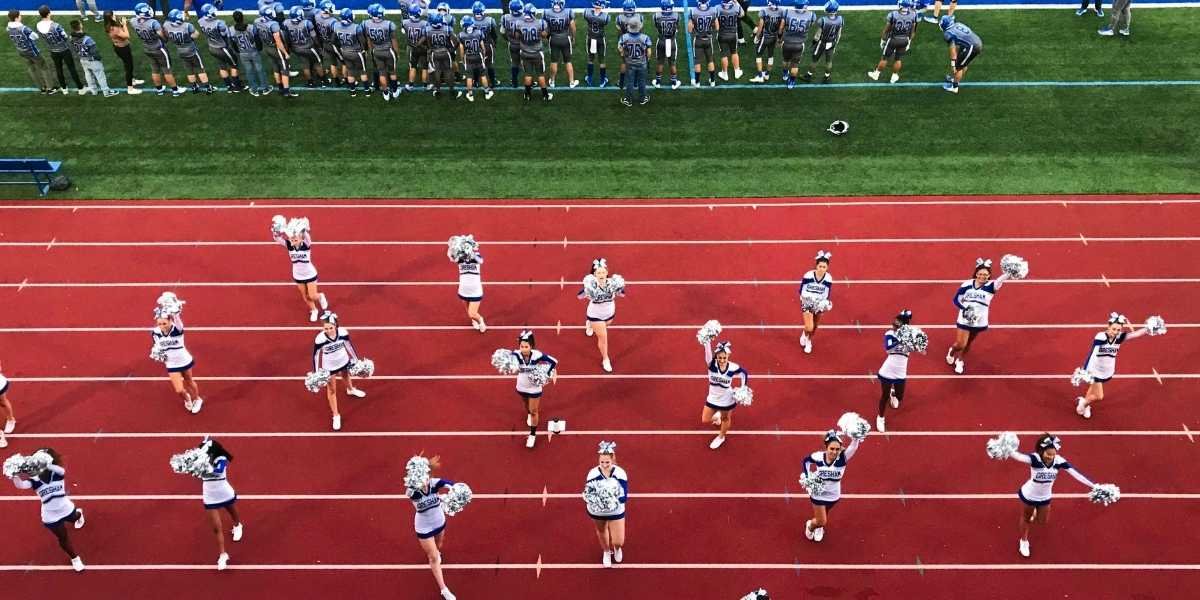
America’s Sweethearts has built its audience by showing the gap between the public performance and the private preparation behind it. Viewers see the polished stadium image, but the series spends much of its time on rehearsal rooms, feedback sessions, physical demands, and the emotional weight of the selection process.
That emphasis is likely to remain the center of season three. Netflix’s own rollout describes the new season as moving from early auditions to game day stadium performances. That path gives the episodes a clear structure, beginning with large scale selection and ending with the visible work that viewers see during the football season.
The Dallas Cowboys Cheerleaders have been part of the Cowboys organization’s public identity for decades. The Netflix version does not need to explain why the brand is recognizable. Instead, it places cameras inside the process that sustains that image. The result is a newsworthy television return because it connects a widely known sports brand with the human labor behind a highly controlled performance standard.
The series also works because it avoids treating the team as decoration around football. The football season creates the calendar, but the dancers’ work creates the story. Training camp, cuts, choreography, personal discipline, and public appearances become the real source of tension.
That focus may be why the series has continued to draw attention beyond traditional sports coverage. It gives viewers access to a workplace where expectations are high, decisions are direct, and the public result leaves little room for visible error. In that setting, the auditions become more than a tryout. They become a test of whether each candidate can handle the exact pace and public demands of the role.