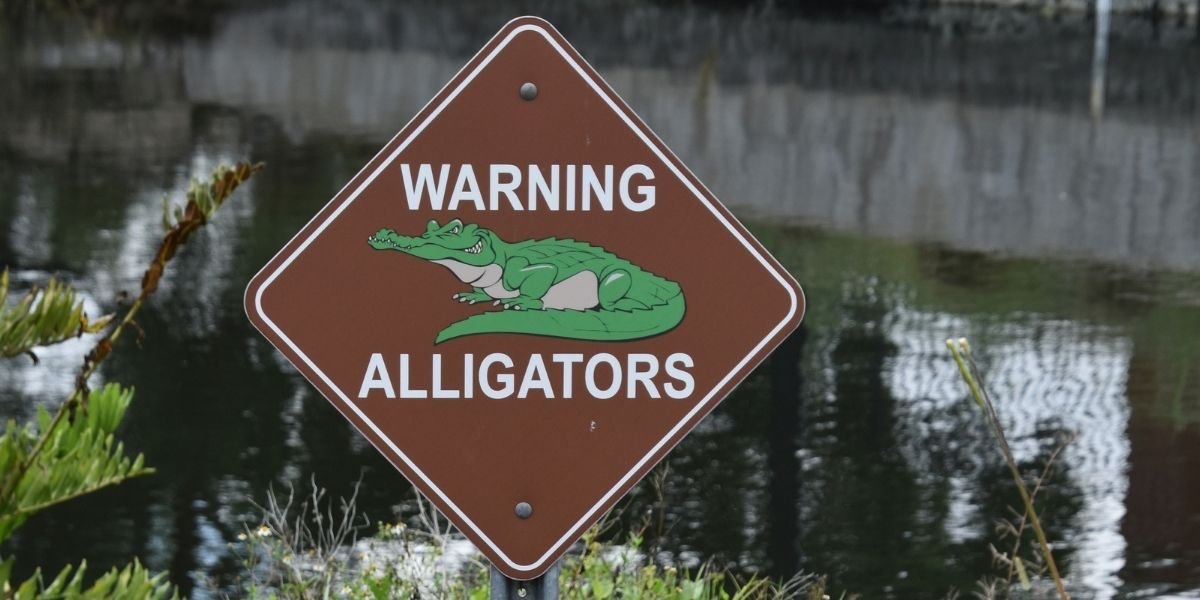
Alligator warning guidance has been shared across Houston’s Clear Lake area after a 13-foot alligator was removed from Nassau Bay. The notice does not close local waterways, but it asks residents and visitors to keep their distance, supervise children, control pets and report animals that approach people.
Key Takeaways
- Nassau Bay shared the safety advisory on July 8 as alligators remained active in Clear Lake and nearby Gulf Coast waterways.
- A large alligator was removed from Upper Bay Road on July 10 with authorization from the Texas Parks and Wildlife Department.
- The fire department reported a length of 13 feet. The handler later listed an official measurement of 13 feet, 2 inches.
- Pets should remain on leashes no longer than six feet and away from the water’s edge.
The alligator warning followed reported sightings around Nassau Bay and the larger Clear Lake waterfront, where residential canals, docks, marinas and bayous place developed neighborhoods beside established wildlife habitat.
Why Was the Alligator Warning Issued?
Nassau Bay shared the advisory reminding residents that Clear Lake and the Upper Texas Gulf Coast support native alligator populations. The notice urged added caution around lakes, bayous, canals and shoreline areas during the summer activity period.
The Nassau Bay Volunteer Fire Department said a very large alligator had been removed from Upper Bay Road with authorization from the Texas Parks and Wildlife Department. The department reported that the reptile measured 13 feet and would be relocated to an alligator farm in El Campo. Timothy DeRamus of Bayou City Gator Savers later reported a measurement of 13 feet, 2 inches.
Not every alligator in the area presents a threat. Texas guidance distinguishes between an animal in natural habitat and one that approaches developed areas or endangers people, pets or property.
Summer activity continues after the March through May peak breeding period. Females may remain near nests and young, while other alligators move through connected waterways. Changing water levels can influence wildlife movement, making Houston flood preparedness relevant to residents near bayous and low-lying waterfront areas.
How Should Clear Lake Residents Respond Near the Water?
The Texas Parks and Wildlife Department advises people to give alligators substantial space and never approach one for a photograph. A hissing alligator is signaling that a person is too close. Clear Lake’s mix of canals, docks and vegetated banks can make an animal difficult to see until a visitor is already near it. Extra distance is therefore important. Children should remain closely supervised near canals, ponds, docks and bayous.
State guidance recommends keeping pets away from the shoreline and on leashes no longer than six feet. Pets should not drink from or enter water where alligators may be present.
Swimming should be limited to designated locations during daylight hours. Anyone who sees a large alligator in a swimming area should stay out of the water and notify local authorities.
Anglers should stop fishing if an alligator shows sustained interest in bait, a lure or a hooked fish. If it takes the bait, the line should be cut and the angler should move. Fish should be stored in a bucket rather than on a stringer in the water.
Visits to Texas outdoor destinations can place people near native habitat. At Clear Lake, visitors should follow posted notices, avoid shoreline vegetation with limited visibility and never assume a motionless alligator is safe to approach.
When Does an Alligator Become a Nuisance Animal?
An alligator resting near a bank is not automatically a nuisance. An open mouth can be cooling behavior rather than evidence of active hunting.
Concern increases when an alligator comes directly toward a person, leaves the water to approach homes, repeatedly follows boats or remains unusually close without retreating. Those behaviors should be reported to local authorities or the Texas Parks and Wildlife Department.
Feeding is a preventable cause of nuisance behavior. Throwing fish scraps into the water or leaving them onshore can teach an alligator to associate people, boats and docks with food. Intentionally feeding an alligator is a Class C misdemeanor in Texas and may carry a fine of up to $500.
Residents should not kill, harass, capture or relocate an alligator themselves. Animals in roadways or heavily used public spaces should be reported for assessment by trained personnel.
Frequently Asked Questions
Is Clear Lake closed because of the alligator warning?
The advisory did not announce a general closure of Clear Lake. Residents and visitors may continue using lawful public areas while following posted notices and official wildlife safety guidance.
How far should someone stay from an alligator?
Officials have advised remaining at least 30 feet away and increasing that distance when possible. Anyone who hears hissing should back away slowly without blocking the animal’s route to the water.
Can a resident move an alligator found near a home?
Residents should not attempt to capture or relocate the animal. A sighting near a home, roadway or frequently used public area should be reported to local authorities or the Texas Parks and Wildlife Department.
What should anglers do when an alligator follows a lure?
The angler should stop fishing, cut the line if necessary and move away. Fish scraps should go into a designated trash container, not the water or shoreline.