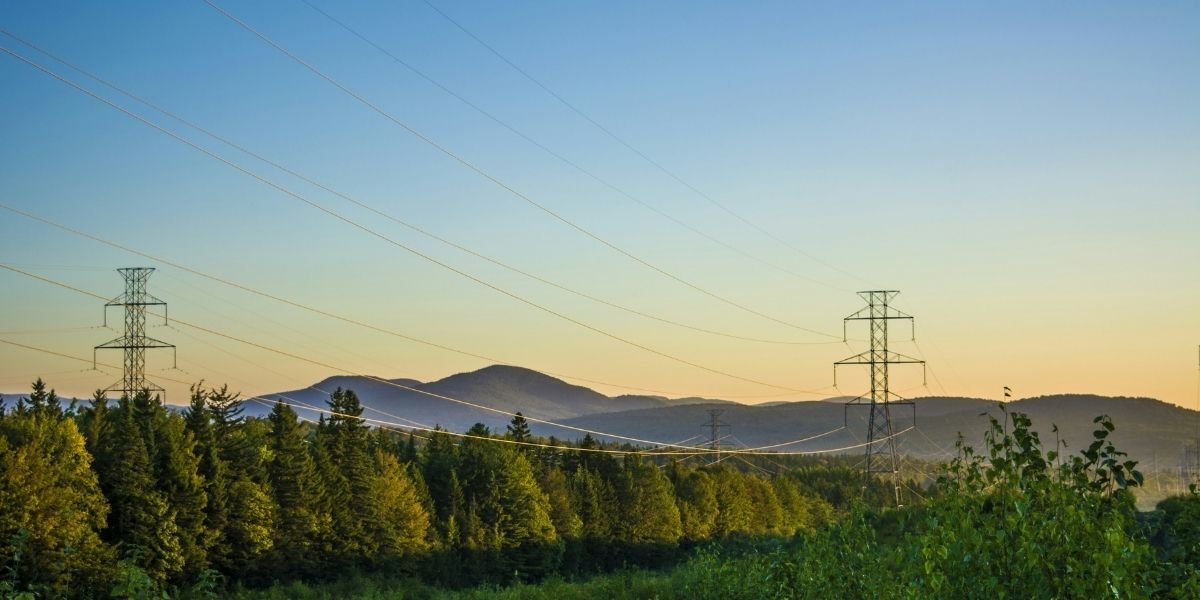
Permian Basin power lines moved past a major regulatory hurdle on Aug. 28, 2026, when the Public Utility Commission of Texas approved two 765-kV transmission projects totaling more than 400 miles. The decision advances work by Oncor Electric Delivery and LCRA Transmission Services as Texas prepares for higher electricity demand in West Texas.
Key Takeaways
- Texas regulators approved two 765-kV transmission projects on Aug. 28, 2026
- The approved buildout totals more than 400 miles and is tied to the Permian Basin Reliability Plan
- Oncor and LCRA TSC are jointly developing the Bell County East-Big Hill and Big Hill-Sand Lake projects
- Utility project pages currently point to 2030 completion targets
- Landowner concerns over routing, easements and property impacts remain part of the project record
The Public Utility Commission of Texas voted Friday to approve two high-voltage transmission projects intended to move more electricity toward the Permian Basin, clearing a key regulatory step for a buildout spanning more than 400 miles.
The Bell County East-Big Hill and Big Hill-Sand Lake projects are both planned as 765-kilovolt, single-circuit transmission lines using self-supporting steel lattice towers. Oncor Electric Delivery and LCRA Transmission Services Corporation are jointly developing the projects as part of the Permian Basin Reliability Plan.
A separate 765-kV proposal known as Howard-Solstice was not approved at the same meeting and remained under further review.
Approval Moves Two 765-kV Projects Forward
The Bell County East-Big Hill project would connect Oncor’s Bell County East Switch near Temple with LCRA TSC’s planned Big Hill Substation near Eldorado in Schleicher County. Oncor lists a summer 2030 completion target.
The Big Hill-Sand Lake project would continue west from Big Hill to Oncor’s Sand Lake Switch near Pecos in Ward County. Oncor currently lists winter 2030 as the planned completion period for that segment.
Together, the projects create a long-distance transmission path toward West Texas. The commission’s action allows the projects to move beyond the certificate stage, although schedules can still change as engineering, right-of-way work and construction advance.
The approval comes as ERCOT handles rising electricity requests from industrial facilities and data centers. Texas is already adjusting how it reviews large-load grid requests as planners assess which projects are most likely to move forward.
400+ Miles Would Carry Power Into West Texas
The scale of the Permian Basin power lines reflects the distance between major grid infrastructure and load growth concentrated farther west. The projects are designed to transmit electricity rather than generate it, expanding the grid’s ability to move power across regions.
ERCOT developed the Permian Basin Reliability Plan after utilities submitted forecasts showing substantial load growth in the region. LCRA TSC says the planning work also accounted for non-oil and gas demand, including other large industrial loads seeking service.
The 765-kV voltage class is new to Texas, although it is used elsewhere in North America. Oncor says more than 2,400 miles of 765-kV lines are in service across the United States and Canada.
The transmission expansion also arrives as Texas manages demand from power-intensive facilities. Separate changes affecting data center grid connections have added another factor to ERCOT’s long-range planning as the grid operator evaluates future transmission needs.
Landowner Concerns Remain Part of the Record
The projects drew extensive participation from landowners whose properties could be crossed by proposed routes. Concerns raised during the proceedings included easements, agricultural operations, wildlife, natural resources and the placement of large transmission structures.
At the Aug. 28 hearing, Public Utility Commissioner Courtney Hjaltman acknowledged the personal nature of the routing decisions. “They’re about your land. They’re about something deeply personal,” she told landowners.
Route approval determines where transmission infrastructure may be placed, but it does not end every step affecting individual properties. Right-of-way negotiations, access arrangements and construction activity continue through separate processes.
The geographic reach is substantial. The Bell County East-Big Hill project crosses a broad Central Texas study area before reaching Schleicher County, while the Big Hill-Sand Lake project extends farther west toward Ward County.
Current utility schedules point to 2030, with Bell County East-Big Hill targeted for summer and Big Hill-Sand Lake for winter. Those dates remain planning targets rather than guarantees. The Permian Basin power lines now move from regulatory approval into a multi-year construction process.
Frequently Asked Questions
What did Texas approve for the Permian Basin?
The Public Utility Commission of Texas approved two 765-kV transmission projects on Aug. 28, 2026. Together, they total more than 400 miles and form part of the state’s Permian Basin Reliability Plan.
Which companies are building the approved power lines?
Oncor Electric Delivery and LCRA Transmission Services Corporation are jointly developing the Bell County East-Big Hill and Big Hill-Sand Lake projects. Both projects have cleared the state certificate stage.
When are the Permian Basin power lines expected to be completed?
Current Oncor schedules list summer 2030 for Bell County East-Big Hill and winter 2030 for Big Hill-Sand Lake. Those dates are project targets and may change as engineering, right-of-way and construction work progresses.
What voltage will the new transmission lines use?
Both approved projects are planned as 765-kV single-circuit transmission lines. Oncor says the projects will use self-supporting steel lattice towers.
Why are the new lines being built?
The projects are part of a reliability plan developed in response to forecast electricity demand in the Permian Basin. Their purpose is to increase transmission capacity so more electricity can be moved into the region.