Texas Earns 2026 Prosperity Cup for Business Growth after the state was recognized on May 4, 2026, for leading the nation in job-creating business investment projects, reinforcing its position as a major destination for corporate expansion and economic development. Governor Greg Abbott announced the recognition following the release of the annual Prosperity Cup rankings, which measure states based on competitive projects tied to employment growth and capital investment.
State officials said the award reflected ongoing recruitment efforts across manufacturing, technology, logistics, energy, and infrastructure sectors. The recognition comes as Texas continues attracting corporate relocations, industrial developments, and international investment activity, with continued growth reported in Dallas-Fort Worth, Houston, Austin, and San Antonio.
Texas Retains National Lead in Economic Development Projects
State officials said the Prosperity Cup recognition reflected Texas maintaining one of the nation’s highest levels of economic development activity, including corporate relocations, manufacturing investments, facility expansions, and headquarters projects tied to job creation. State leaders cited population growth, transportation infrastructure, and a large labor force as major factors supporting continued investment across Texas.
The Governor’s Office said recruitment efforts involved coordination between local governments, regional business groups, and statewide agencies to attract domestic and international employers. Officials also highlighted infrastructure connected to ports, rail systems, and interstate corridors, including the Port of Houston, as key drivers of industrial and export-related growth.
Corporate Relocations Continue Across Major Texas Cities
Business migration into Texas has remained active as companies in technology, finance, manufacturing, and energy continue expanding operations across the state. Dallas-Fort Worth and Austin recorded continued office and technology-related growth, while Houston maintained its role as a major energy and industrial center.
Several firms announced Texas expansion projects during the past year involving semiconductor production, logistics infrastructure, and artificial intelligence facilities. Economic development groups said demand for industrial real estate and advanced manufacturing space remained strong in multiple regions, particularly in Austin and North Texas.
Houston also reported increased investment tied to petrochemical infrastructure, liquefied natural gas, shipping, and energy transition projects. State officials added that manufacturing and logistics developments have increasingly expanded into smaller Texas communities where transportation access and available land continue supporting industrial growth.
Infrastructure and Workforce Growth Support Expansion
Texas leaders said infrastructure development and workforce availability continued supporting business investment across the state. Public and private sector initiatives have focused on expanding highways, airports, utility systems, and industrial sites to meet growing commercial demand as Texas remains one of the fastest-growing states in the country.
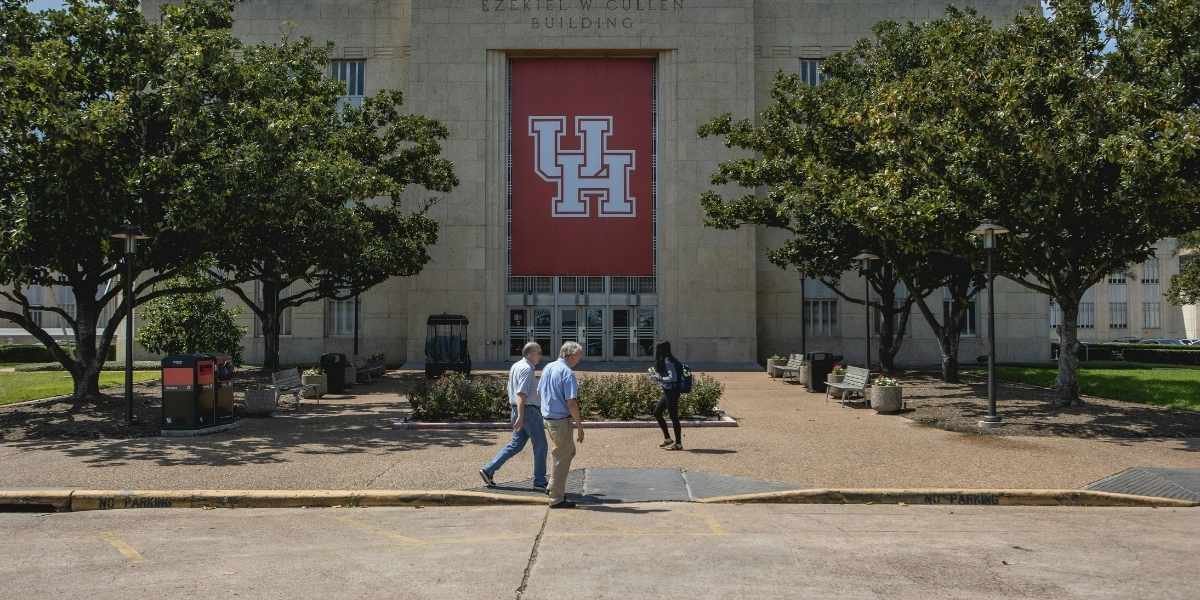
Educational institutions and workforce training programs have also supported industries including advanced manufacturing, engineering, logistics, and energy. Partnerships between colleges, universities, and private employers have expanded technical certification and vocational training opportunities statewide.
Energy and transportation infrastructure remain central to Texas’ economic competitiveness. The state continues leading the nation in oil and natural gas production while expanding wind and solar generation capacity, as major airports and highway systems support increasing cargo traffic and industrial activity.
State Leaders Highlight Long-Term Economic Positioning
Governor Greg Abbott and other state officials described the Prosperity Cup recognition as part of Texas’ broader effort to strengthen long-term business investment and industrial development. Recent economic policies have included incentives for manufacturing projects, infrastructure expansion, and recruitment programs targeting technology and energy companies.
The Texas Economic Development & Tourism Office has continued promoting the state through international trade missions and investment outreach efforts focused on Europe, Asia, and Latin America. Business groups have also highlighted Texas’ Gulf Coast shipping access, border trade with Mexico, and central location as major advantages for manufacturing and logistics growth.
State lawmakers have additionally focused on infrastructure modernization, including water systems, broadband expansion, and energy reliability planning, as population and industrial growth continue across multiple Texas regions.
Recognition Reflects Broader Texas Economic Momentum
The 2026 Prosperity Cup recognition arrives during a period of sustained economic expansion for Texas, where business recruitment activity continues across both urban and regional markets. Analysts tracking corporate site selection trends have identified Texas as one of the country’s most competitive states for industrial investment, logistics operations, and headquarters development.
Commercial construction activity has remained elevated in several Texas metro areas, particularly in industrial real estate, warehouse facilities, and data infrastructure. Real estate developers have continued expanding industrial parks and mixed-use commercial projects to meet demand from incoming employers and population growth.
Tourism, hospitality, and consumer spending have also contributed to broader economic momentum throughout the state. Major sporting events, convention activity, and cultural attractions in cities including Austin, San Antonio, and Houston have supported continued service-sector employment growth alongside industrial investment.
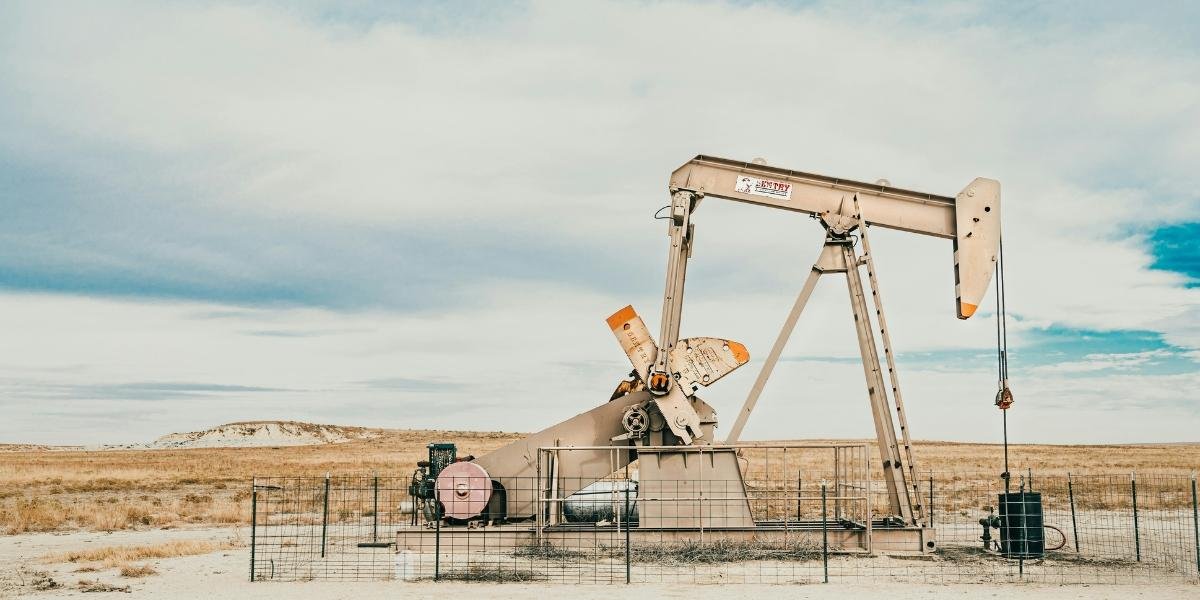
Texas’ energy sector has remained a major contributor to state revenues and export activity. Oilfield development in the Permian Basin and Eagle Ford regions continues supporting employment and infrastructure investment tied to drilling, refining, and transportation operations.
State economic officials said the Prosperity Cup designation reflected cumulative investment activity occurring across multiple industries rather than dependence on a single sector. Technology, manufacturing, transportation, healthcare, and energy projects all contributed to the state’s performance in the rankings.
As Texas continues competing for large-scale corporate projects, state and local officials are expected to maintain recruitment efforts centered on infrastructure expansion, workforce development, and industrial growth initiatives aimed at sustaining long-term economic activity across the state.