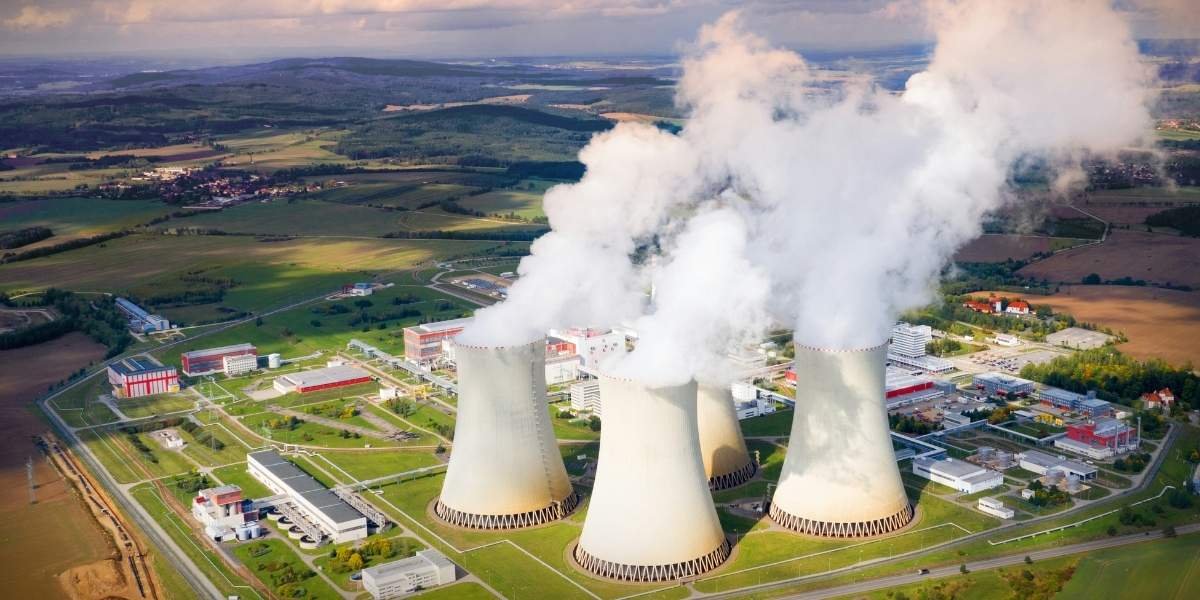
Texas launched the first natural gas power facility financed through the Texas Energy Fund as officials move to strengthen grid reliability during periods of extreme weather and rising electricity demand. The Freestone County plant will provide dispatchable power to the Electric Reliability Council of Texas, or ERCOT, to help stabilize the state’s energy supply during peak usage conditions.
Governor Greg Abbott announced the project launch alongside state energy officials and lawmakers involved in the creation of the funding initiative. The plant represents the first completed energy infrastructure project supported through the multibillion-dollar Texas Energy Fund approved by voters after lawmakers passed legislation responding to concerns raised during previous statewide power emergencies.
The natural gas facility is expected to supply electricity capable of supporting more than 100,000 homes during periods of elevated demand. State officials said the project is intended to increase reserve generation capacity while supporting grid stability as Texas continues experiencing rapid population growth, industrial expansion, and increasing electricity consumption from manufacturing and data center development.
ERCOT officials have repeatedly projected rising electricity demand over the next several years due to continued economic growth across Texas. The grid operator has identified dispatchable power sources, including natural gas plants, as critical components for maintaining reserve margins during severe winter storms and summer heat conditions that place strain on electricity infrastructure.
Texas Energy Fund Begins First Major Infrastructure Project
The Texas Energy Fund was established after the Texas Legislature approved Senate Bill 2627 during the 2023 legislative session. The program created a financing structure intended to encourage the construction of new natural gas-fired generation facilities and upgrades to existing power infrastructure operating within the ERCOT market.
Texas voters approved the constitutional amendment authorizing the fund during the November 2023 election. The measure allowed the state to dedicate billions of dollars toward low-interest loans and financial assistance for qualifying energy projects intended to improve grid reliability.
The Freestone County plant became one of the first projects selected for support under the program. State officials said the facility met requirements tied to dispatchable generation, operational reliability standards, and projected power delivery during emergency conditions.
The plant uses natural gas turbines capable of adjusting output levels during changing grid conditions. Officials involved in the project stated that rapid-response generation capacity remains important for balancing fluctuations in electricity demand during periods of extreme weather.
Texas has continued expanding electricity generation from renewable sources, including wind and solar power, over the past decade. However, state policymakers supporting the Texas Energy Fund argued additional dispatchable generation was necessary to complement intermittent energy production and reduce the risk of supply shortages during emergencies.
ERCOT Faces Rising Demand Across Texas
Electricity demand projections released by ERCOT have shown significant increases tied to residential growth, industrial operations, cryptocurrency mining activity, and artificial intelligence-related data center expansion. Texas remains one of the fastest-growing states in the country, adding pressure to transmission systems and generation capacity.
ERCOT previously warned that reserve margins could tighten during future summer and winter seasons without additional power generation entering the market. Grid reliability became a central issue in Texas energy policy after Winter Storm Uri in February 2021 caused widespread outages that left millions without electricity during freezing temperatures.
The winter storm resulted in extensive investigations by lawmakers, regulators, and federal agencies examining power plant failures, fuel supply interruptions, and transmission system vulnerabilities. Texas lawmakers later approved multiple energy-related reforms affecting weatherization standards, reserve power planning, and grid operations oversight.
State officials connected the launch of the Freestone County plant to broader efforts aimed at preventing similar large-scale outages. Governor Abbott stated that Texas continues pursuing infrastructure investments intended to strengthen long-term electricity reliability while supporting economic growth.
The Public Utility Commission of Texas and ERCOT have also implemented additional reliability requirements affecting generators connected to the grid. Regulators introduced operational standards requiring certain facilities to maintain availability during extreme weather conditions while increasing oversight of maintenance planning and emergency preparedness.
Natural Gas Remains Central to Texas Power Generation
Natural gas continues serving as the largest source of electricity generation in Texas despite rapid renewable energy growth across the state. ERCOT market data has consistently shown gas-fired plants providing a substantial portion of electricity during peak demand periods, particularly during evening hours when solar generation declines.
Texas remains the nation’s leading natural gas-producing state, with major production activity centered in the Permian Basin and Eagle Ford Shale regions. State leaders have frequently promoted natural gas infrastructure development as both an economic driver and an energy reliability strategy.
Supporters of the Texas Energy Fund said the financing program could encourage additional private-sector investment in power infrastructure projects that may otherwise face challenges securing long-term financing under current electricity market conditions.
Several proposed natural gas facilities have already submitted applications seeking support through the program. State officials indicated additional projects may receive approval over the coming years as Texas attempts to expand dispatchable generation capacity ahead of forecasted demand growth.
The Railroad Commission of Texas, which regulates oil and gas production activities, has also supported infrastructure development tied to increased electricity demand. Industry groups representing producers and pipeline operators have argued that expanded generation capacity could strengthen the state economy while supporting manufacturing and industrial growth.
Debate Continues Over Energy Policy Direction
The launch of the Freestone County facility comes as debate continues over the future direction of Texas energy policy. Some environmental organizations and renewable energy advocates have questioned whether state-backed financing should prioritize natural gas infrastructure over alternative energy investments and battery storage expansion.
Texas currently leads the nation in wind power generation and continues adding large-scale solar projects across multiple regions. Battery storage capacity has also increased rapidly within ERCOT as developers attempt to improve energy balancing capabilities during peak periods.
State lawmakers supporting the Texas Energy Fund argued the program focuses specifically on dispatchable generation capable of operating regardless of weather conditions or time of day. Legislators involved in the initiative said natural gas plants remain necessary for maintaining reliability under current grid conditions.
Energy market analysts have noted that Texas faces unique infrastructure challenges because ERCOT operates largely independent from the broader national electricity grid system. Limited interstate transmission connections mean Texas must primarily rely on in-state generation resources during emergency conditions.
Construction timelines for new power plants have also become a major policy issue as Texas attempts to address future electricity demand. State regulators and energy developers continue evaluating transmission expansion projects, fuel supply coordination measures, and additional reliability planning strategies expected to shape the state’s electricity system over the next decade.
The Freestone County facility is expected to enter full operational service during the current high-demand season as ERCOT prepares for continued summer electricity usage increases across Texas.